Understanding Container Conditions
Both price and longevity are directly impacted by container condition. New units arrive with manufacturer warranties and pristine steel surfaces, but premium pricing is commanded by them. Industry standards grade used containers; structural integrity, weatherproofing, and cosmetic condition are evaluated through these standards.
Certification for international shipping is maintained by cargo-worthy containers. Rigorous inspections are passed by these units, and minimal wear is typically shown. Solid weather protection is offered by wind and watertight containers, but cosmetic issues like surface rust or minor dents may be present. As-is containers are sold without guarantees. Many still provide years of reliable service, though.
Sizing and Space Considerations
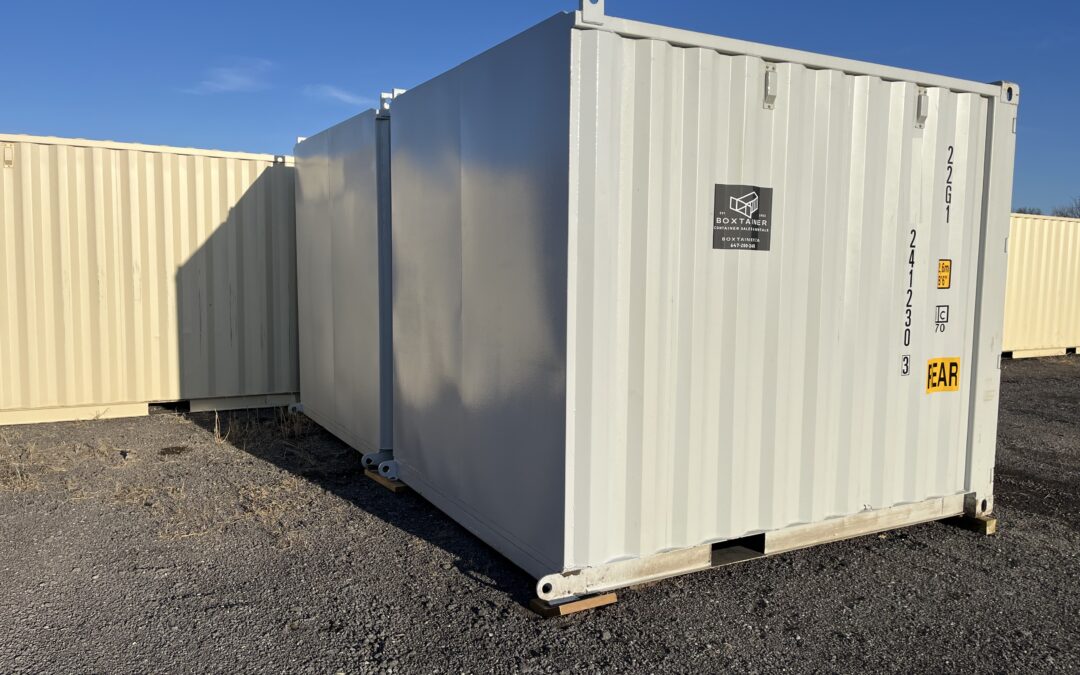
Roughly 80 square feet of floor space is provided by a 10ft container. That’s comparable to a large garden shed but with industrial-grade construction. Most equipment and storage needs are accommodated by the standard 8-foot width, while comfortable access for most adults is allowed by the 8.5-foot height.
One Ontario contractor we worked with uses his 10ft container for tool storage on residential job sites. Driveways and tight lots where larger containers wouldn’t work are fitted by the compact footprint. But remember, smaller doesn’t always mean cheaper per square foot.
Delivery Logistics
A significant portion of your total investment is represented by delivery. Most Ontario deliveries cost between $300-$800; distance from the depot and site accessibility determine this. Clear access and level ground for safe placement are needed by the delivery truck.
Overhead clearance and stable ground conditions are required by crane delivery. Temporary road permits or utility line coordination are needed by some locations. Site conditions will be assessed beforehand by your delivery team, but costs or delays can be added by surprises.
Ground Prepara@tion Requirements
Moisture issues and structural problems are prevented by proper foundation. The most stability is offered by concrete pads, but professional installation is required. Gravel pads work well for temporary placement; significantly less is cost by them.
Drainage requirements are underestimated by many buyers. Rust and structural damage over time are led to by water pooling around container foundations. A slight slope away from the container helps, plus proper grading around the perimeter. From what we’ve seen, this step often gets skipped during installation.
Pricing Factors
Supply, condition, and local demand cause container pricing to fluctuate. New 10ft containers typically start around $3,000 in Ontario markets. Used units range from $1,500 for as-is condition to $2,800 for cargo-worthy grades.
Delivery, site preparation, and any modifications you need are included in additional costs. Electrical connections, ventilation, or security upgrades are required by some buyers. After delivery, these modifications are usually handled, but your budget planning should factor them in.
Legal and Zoning Considerations
Container regulations are handled differently by Ontario municipalities. Some treat them as temporary structures; building permits for permanent installation are required by others. Specific bylaws about container placement and appearance standards are had by Toronto.
Your local planning department should be checked with before purchase. Where and how you place your container can be affected by setback requirements, height restrictions, and aesthetic guidelines. That’s usually where it clicks for most buyers.
Making Your Decision
Your timeline, budget, and long-term needs should be considered when evaluating options. Ownership benefits and customization flexibility are offered by buying, while short-term projects might be better suited by renting. Either way, proper delivery and ongoing support are ensured by working with experienced Ontario suppliers. Visit our website to explore available containers and delivery options for your specific location.
FAQ
Q: What’s the difference between container condition grades? New containers come directly from manufacturing with full warranties. Used containers are classified as cargo-worthy, wind and watertight, or as-is condition. Different levels of structural integrity and cosmetic wear are reflected by each grade. That still surprises people.
Q: Are 10ft containers actually cut from larger ones? Fair point. Most 10ft containers are created by cutting 20ft units in half; the new end walls are then reinforced. This process is done professionally but can affect resale value compared to original 10ft units.
Q: How much space do I need for delivery? Look, delivery trucks need roughly 60 feet of straight-line access to your site. Plus, overhead clearance of 14 feet minimum for crane operations. Ground conditions matter too.
Q: What permits might I need in Ontario? Depends on your municipality and intended use. Storage containers often fall under accessory structure bylaws. Building permits for permanent placement are required by some areas.