
Blogs
Dependable Source Excellent Customer Service.
We have the perfect solution for your storage needs.
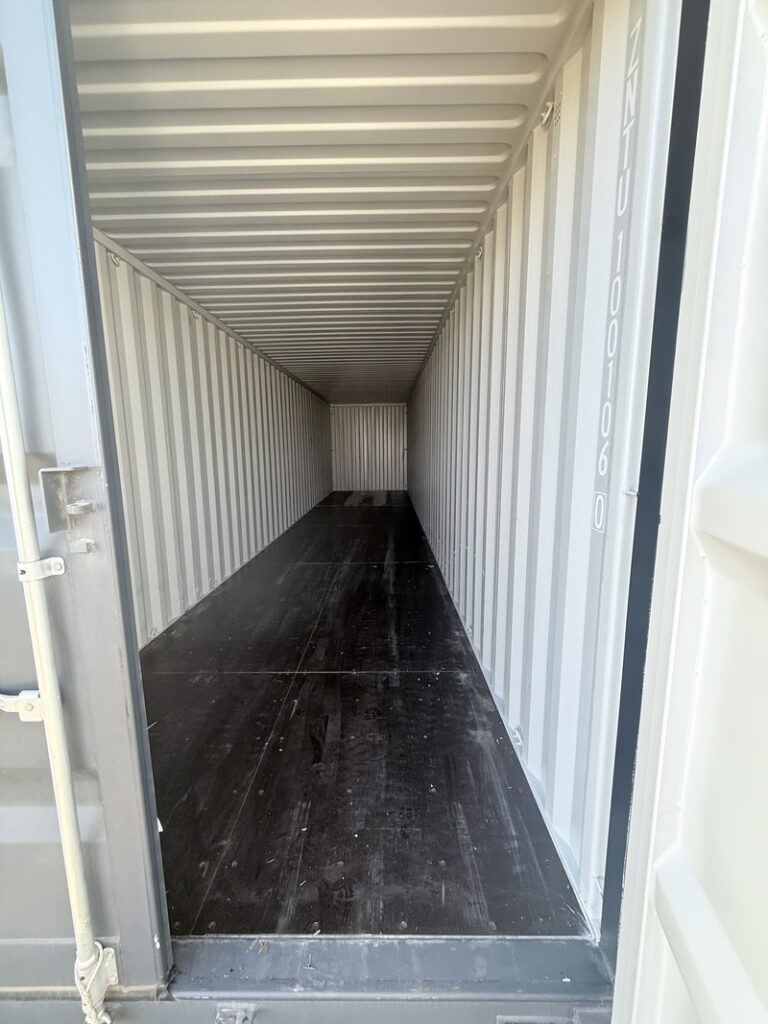
How to Winterize Storage Containers
Canadian winters bring freezing temperatures, heavy snowfall, and harsh moisture cycles that can test any steel structure. While shipping containers are built for extreme durability, winterizing your unit helps keep your contents safe, dry, and protected until spring....
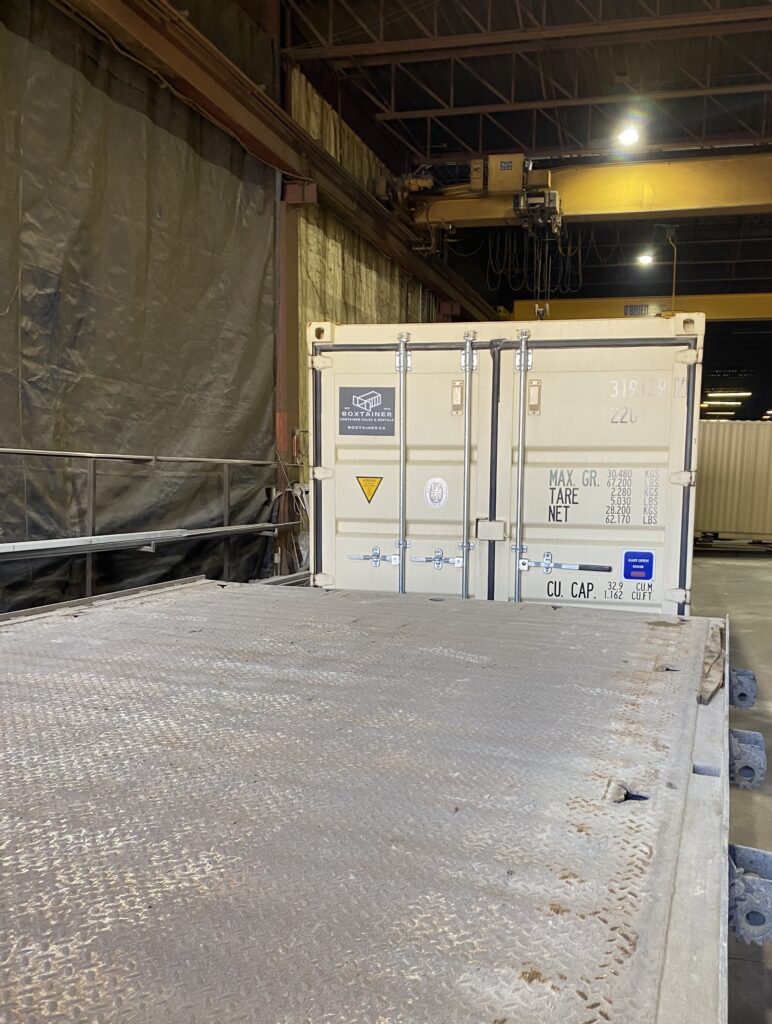
Ordering a Shipping Container for a Tight Commercial Site
Measuring the Site Before You Measure the Container Confirming site access first is often skipped when a container gets ordered, and that's a common misstep. A straight clearance of roughly 70 to 80 feet is usually needed for a 20' delivery; 120 to 130 feet is...
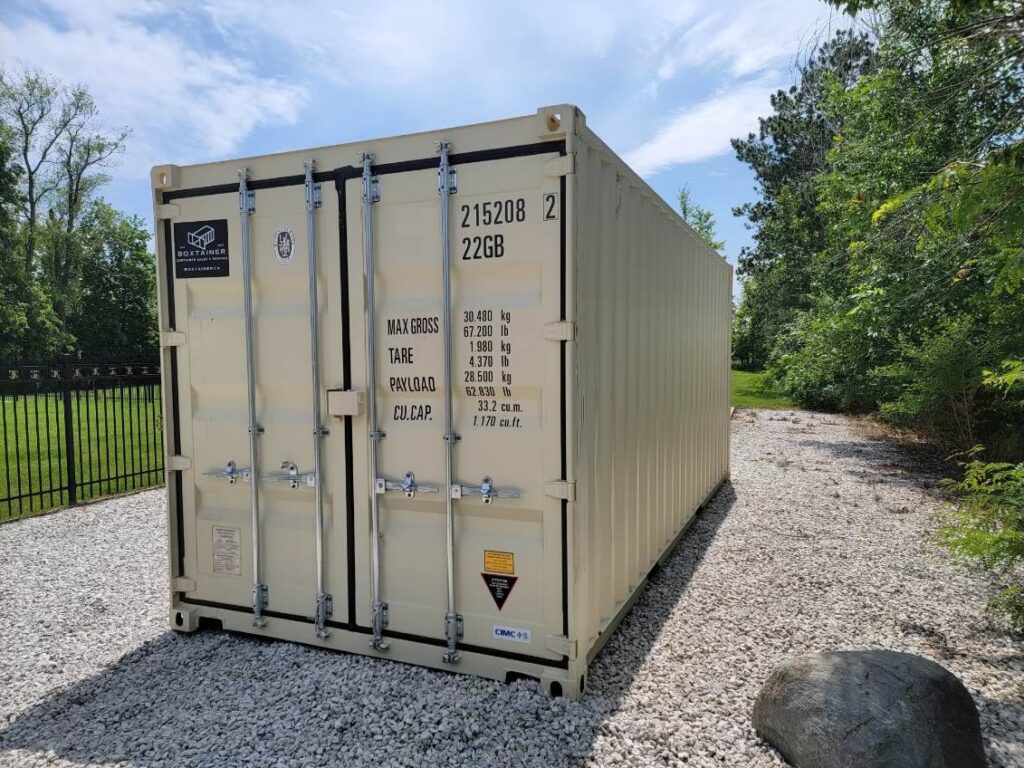
Monthly Container Rental Billing in Ontario Explained
Why Billing Cycles Trip People Up Monthly container rentals sound simple, until the first invoice shows up on an unexpected date. A 28-day cycle is used by some rental companies, and that quietly produces 13 payments a year instead of 12. It's not dishonest, exactly,...
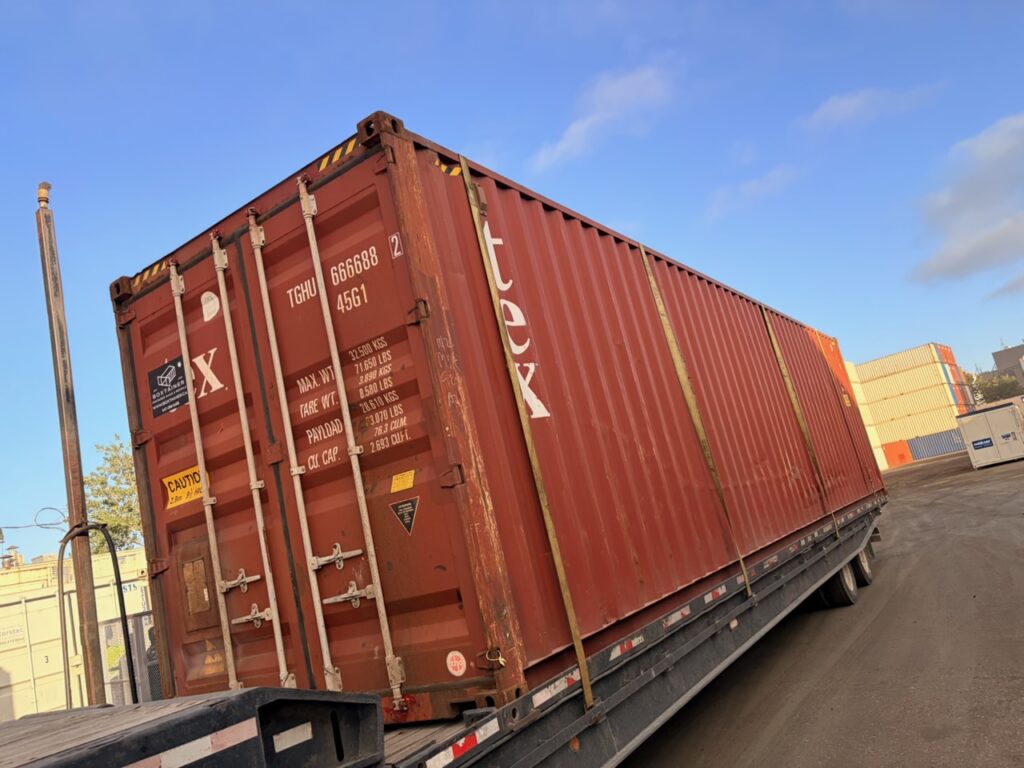
Container Rental Delivery and Pickup Fees in Ontario
Why Delivery and Pickup Show Up as Their Own Line Items Rental quotes for shipping containers get built in pieces. The container itself is covered by the monthly rate; transport work on either end is covered by delivery and pickup. This structure isn't unique to one...
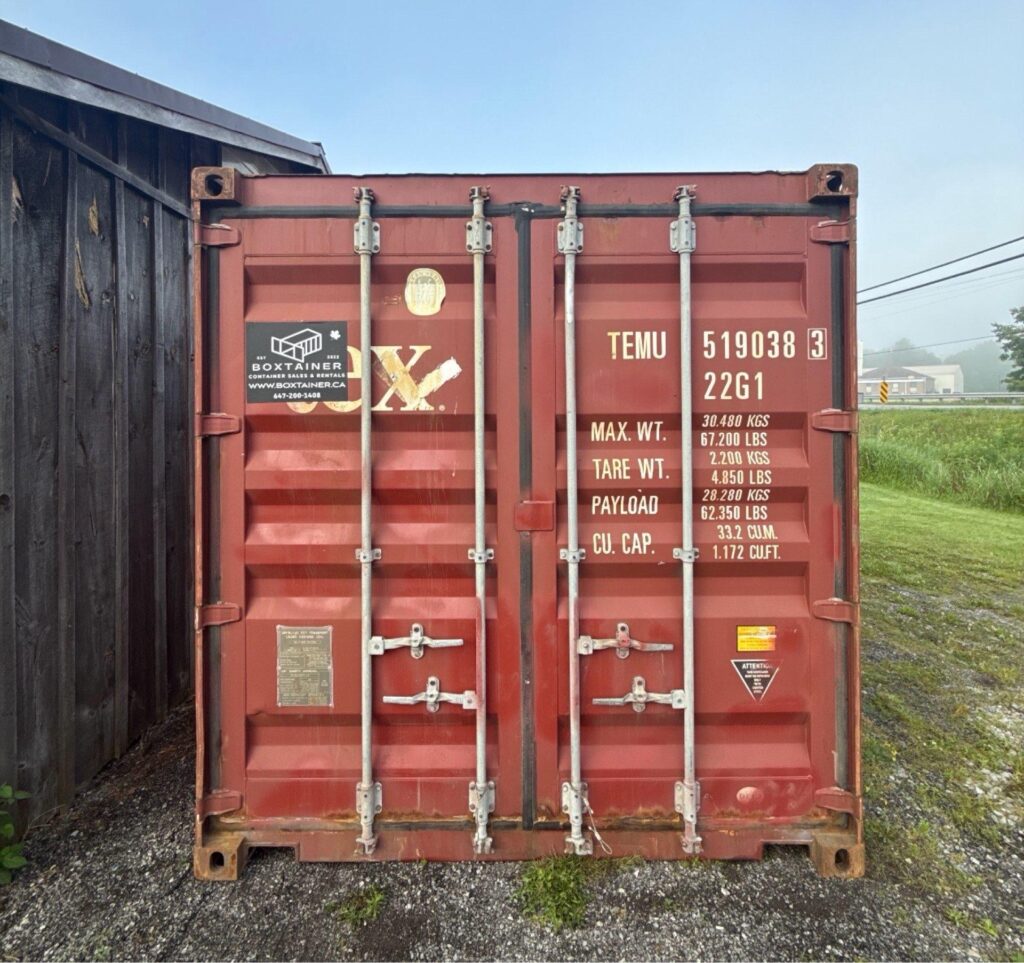
10ft vs 40ft High Cube Containers: Which Fits Your Site?
Start With What the Container Actually Needs to Hold Before dimensions get compared, it helps to figure out what's going inside. A homeowner storing seasonal equipment has very different needs than a contractor running a renovation project across several months....
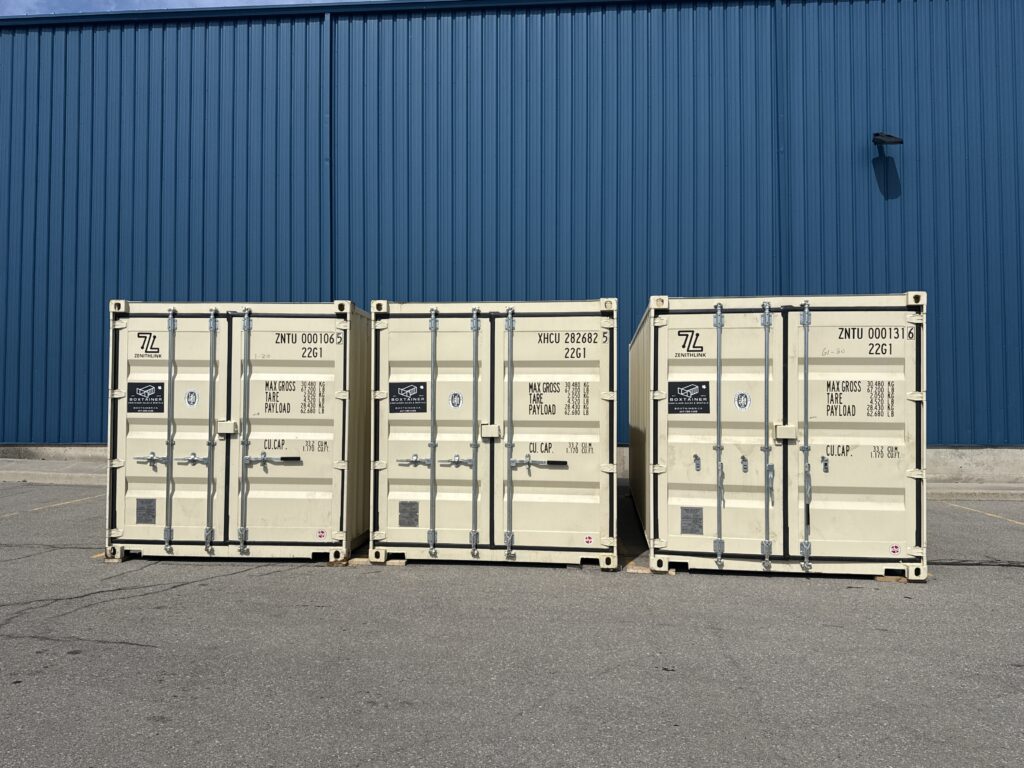
Best Container Size for Pallets, Equipment & Inventory
Pallet counts drive most sizing decisions Square footage is often where businesses start, but pallet math tends to be more useful, really. In a single row, 9 to 11 standard pallets are generally fit into a 20-foot container, depending on pallet dimensions and spacing....
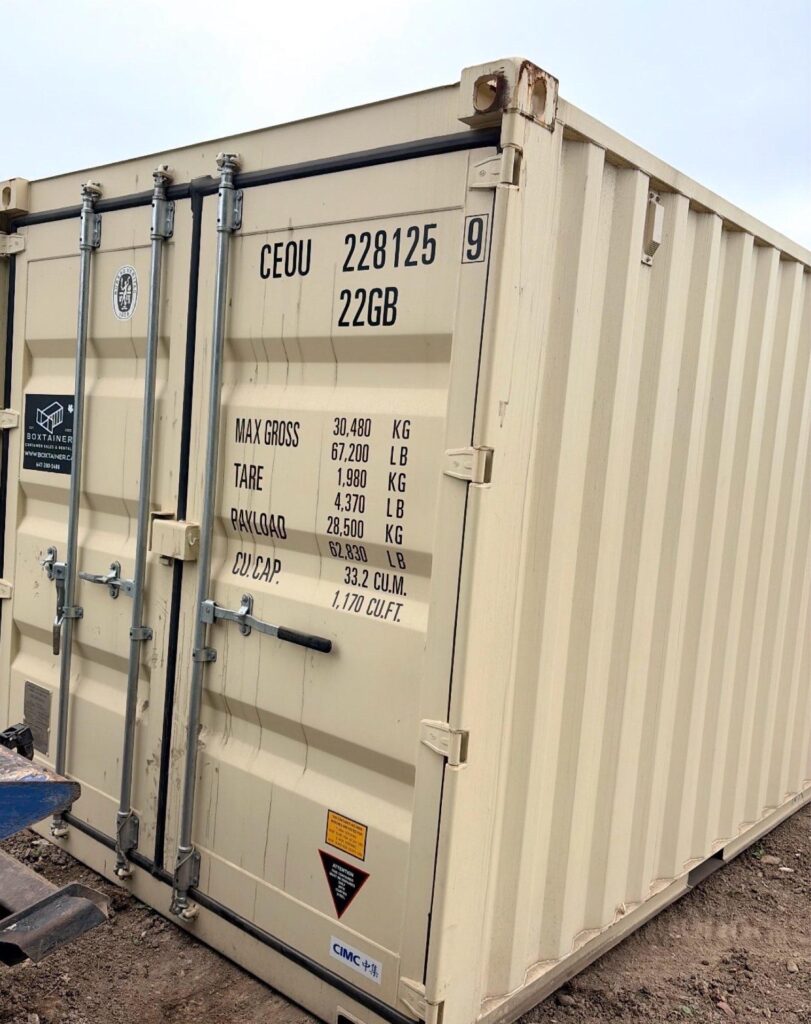
40 ft High Cube Containers: Why the Extra Height Matters
Why the Extra Foot Actually Matters A 40 ft High Cube container isn't just a taller box for the sake of it. Whether specific equipment or shelving fits without rework is often determined by the added height, roughly one foot over a standard unit. For Ontario...
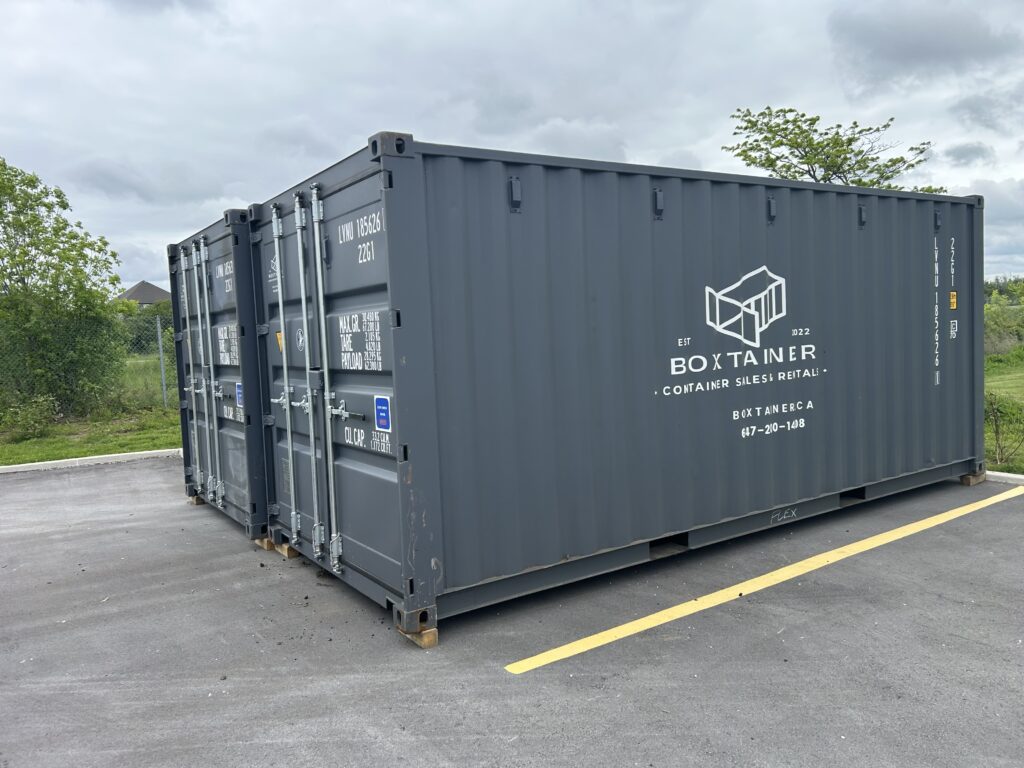
Are New One Trip Shipping Containers Worth It for Long-Term Business Storage?
Why the Question Comes Up in the First Place Long-term storage plans are rarely built around a container decision from the start. More often, they're triggered by a warehouse lease ending, a seasonal inventory spike, or a construction project that keeps extending past...
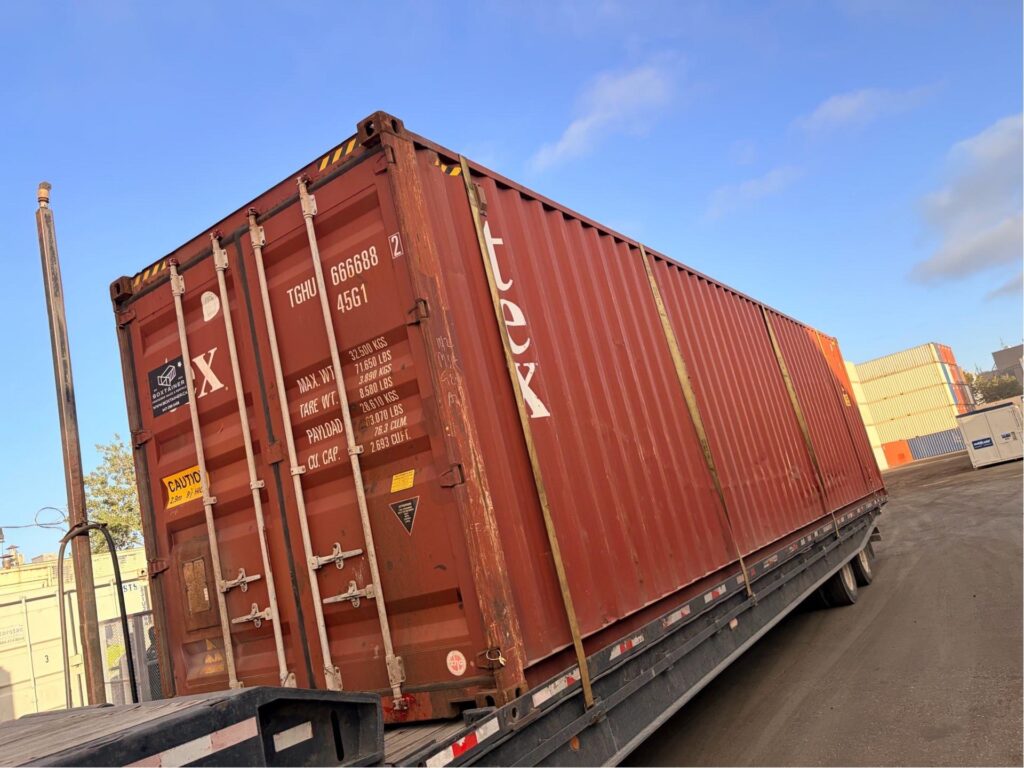
Shipping Containers Sold As Is: What Ontario Buyers Should Know
Understanding What "AS IS" Really Covers AS IS is, in many cases, one of the more misunderstood terms in the container market. It simply means the unit is sold in its present condition; no added guarantees are made beyond what's disclosed at time of sale. For a...
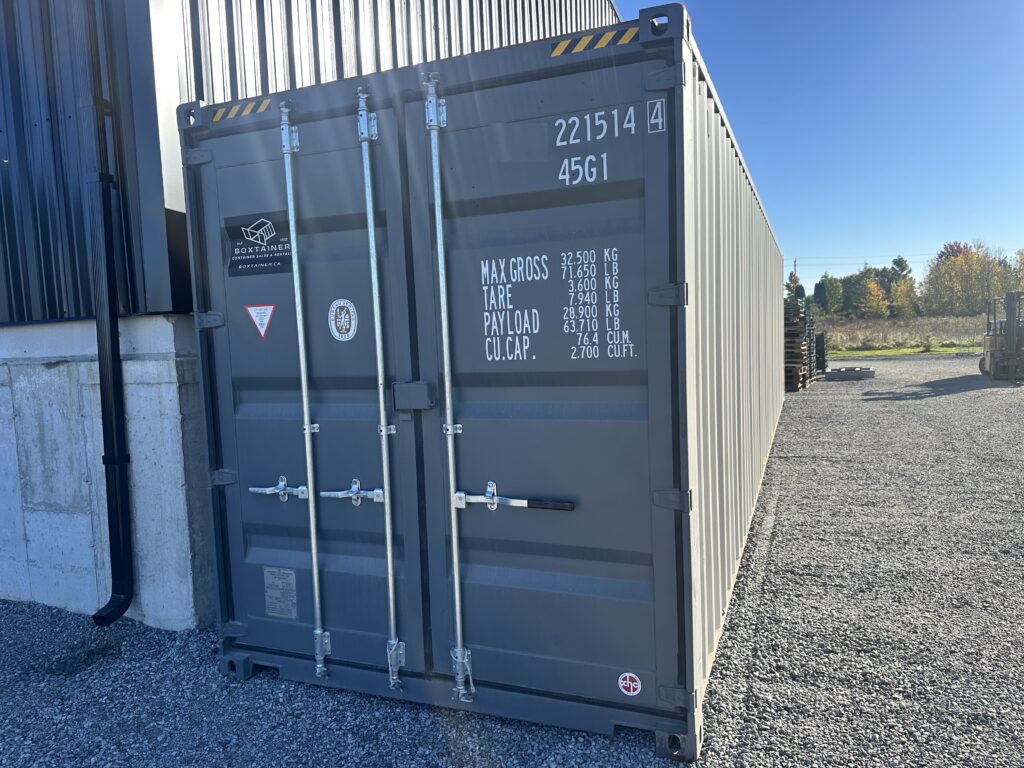
40ft Standard vs High Cube Container: Which Fits Ontario Storage Needs?
The Height Difference, Explained Simply A standard 40ft shipping container runs about 8 feet 6 inches tall inside; a 40ft High Cube adds roughly one more foot, bringing internal height closer to 9 feet 6 inches. That extra foot doesn't sound like much on paper. For...
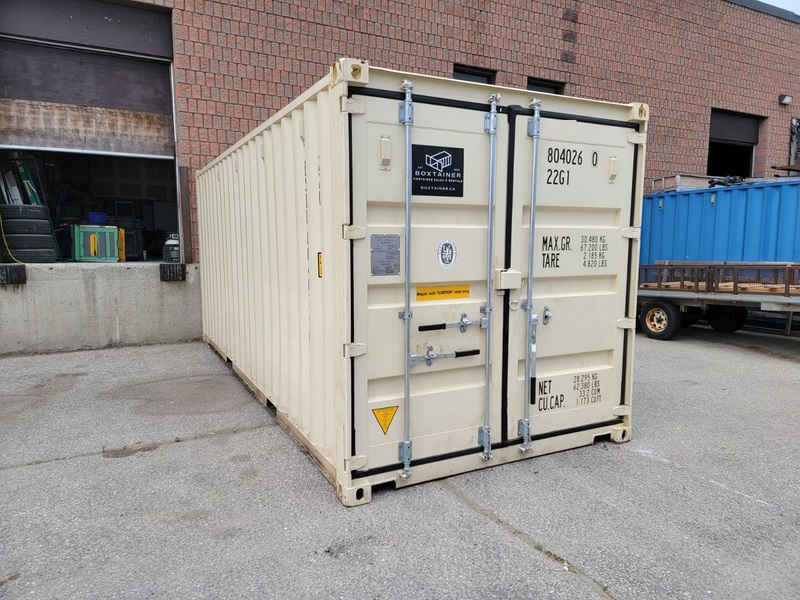
how shipping container delivery works in ontario: what to expect on-site
What Actually Happens on Delivery Day On delivery day, the truck driver conducts an initial assessment of the approach path, entrance width, and ground firmness before starting the offloading procedure. Smooth offloading depends entirely on proper site preparation and...
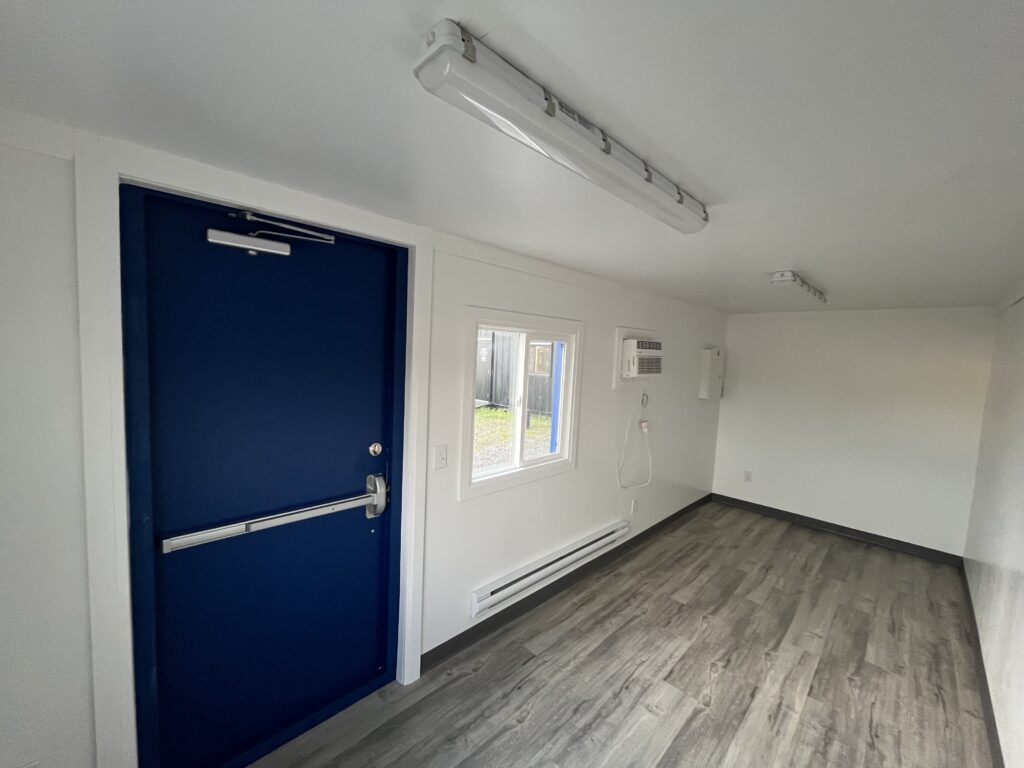
Creative Uses for Shipping Containers Beyond Storage
Container Modifications and Custom Builds Boxtainer Inc. provides comprehensive custom container modification capabilities across Ontario. Our team converts standard New One-Trip and Used Cargo Worthy units by adding steel man doors, windows, aluminum roll-up doors,...