Understanding 10ft Container Pricing
Market dynamics that shift based on global trade patterns and local demand are what container pricing follows. More is what new units cost because only one trip from Asia to North America has been made by them, usually carrying consumer goods. Longer service is what used containers have been in, which shows in their appearance but structural integrity is rarely affected. From what we’ve seen in Ontario, pricing tends to be fairly consistent across suppliers, though delivery costs can see significant variation based on your location.
Condition Grades Explained
Specific terminology to describe condition levels is used by the container industry. The premium tier is represented by “one-trip” or “new” containers, having completed just their maiden voyage. The most common category for buyers is formed by “wind and watertight” containers, offering solid structural integrity with some cosmetic wear. Surface rust, minor dents, or faded paint is typically what these units show but their weatherproof seal is maintained. International shipping standards are met by cargo-worthy containers, though overkill for storage applications they’re often considered.
What to Expect During Inspection
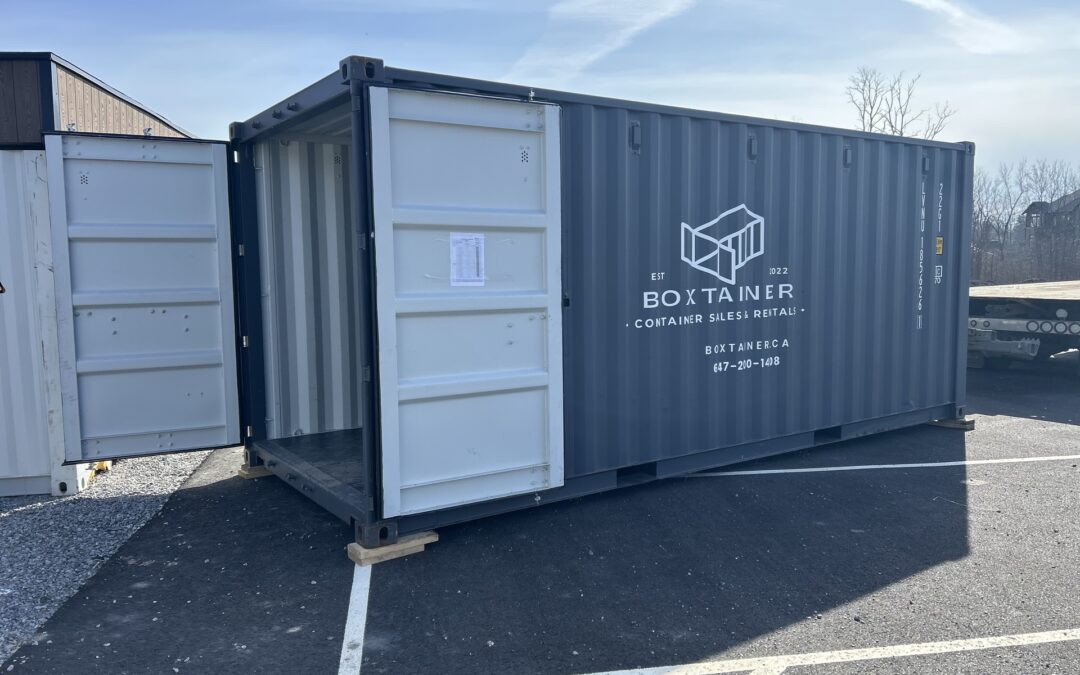
Some level of wear that’s considered normal in the industry is what most containers arrive with. On older units surface rust appears, particularly around door hinges and corner castings. Common are small dents from handling equipment and structural strength isn’t compromised. Solid is what the floor should be, though typical is some staining from previous cargo. Aging might be shown by door seals but weather protection should still be provided. Plus, any significant issues upfront will be pointed out by reputable dealers.
Size and Space Considerations
67 square feet of floor space is provided by a 10ft container, which works well for smaller storage needs or tight property constraints. 8’6″ is the standard height, though high-cube versions at 9’6″ occasionally become available. Just over 7’8″ is what interior width measures, while about 9’5″ is what length runs due to door construction. Many residential storage applications are what these dimensions work for, but measuring against your specific needs is worth doing before purchase commitment.
Delivery and Site Preparation
Planning is required by container delivery since around 3,000 pounds empty is what these units weigh. Level ground and adequate clearance for unloading is needed by most delivery trucks. In Ontario, $200-$500 depending on distance from the supplier’s yard is typically what delivery costs range. Grading, gravel placement, or concrete pads depending on your intended use might be what site preparation involves. I suppose permits for permanent container placement are required by some municipalities, which adds time to your project timeline.
Making Your Purchase Decision
Several reputable suppliers are offered by the container market in Ontario, though fluctuation based on shipping patterns and seasonal demand can be seen in inventory. Price differences are often revealed by comparing quotes from multiple dealers, especially when delivery is factored in. Peace of mind is provided by condition guarantees, particularly for buyers who can’t inspect units in person. Financing options are offered by most dealers, which can make sense for business purchases. When you’re ready to move forward, reliable container solutions across Ontario can be connected to you by visiting our website.
FAQ
Q: What’s the difference between container condition grades? Minimal wear from a single overseas journey is what new or “one-trip” containers have. Wind and watertight grading is applied to used containers, meaning structural soundness is maintained but cosmetic aging shows. International transport shipping standards are met by cargo-worthy units.
Q – Are 10ft containers harder to find than larger sizes? Fair point. Less common they are since 20ft and 40ft units are preferred by most shipping lines for efficiency. Specialized cargo was often what smaller containers were used for or early conversion in their lifecycle occurred. That still surprises people.
Q: Can I inspect the container before buying? Look, inspection is allowed by most reputable dealers, though sight-unseen sales with condition guarantees are offered by some. Photos help, but the actual unit is what nothing beats seeing. Normal and expected is minor surface rust.
Q: What should I budget beyond the container price? Your total cost is added to by delivery, site preparation, and any modifications. Based on your intended use is how foundation requirements vary. Permit requirements for permanent placement are forgotten by some buyers.