The Actual Interior Space: What the Numbers Mean
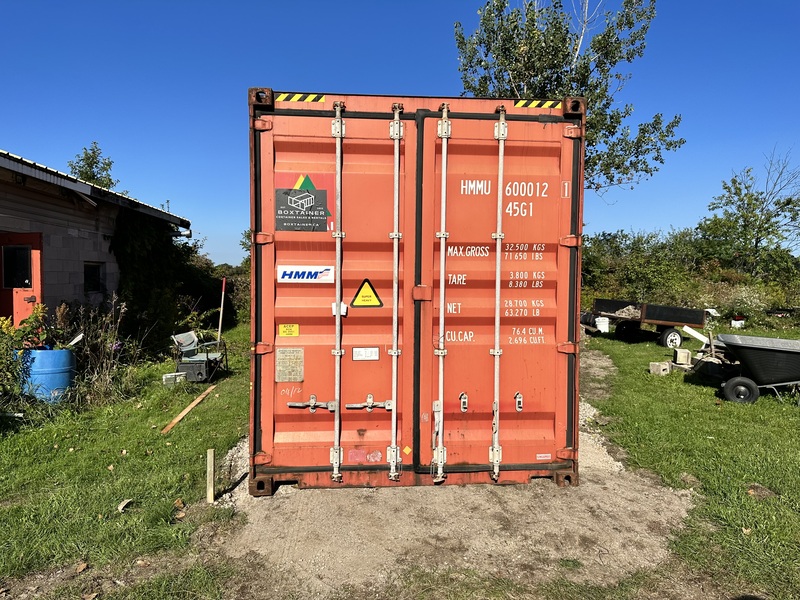
Before anything gets loaded, it helps to understand what you’re actually working with. A 10ft shipping container typically measures around 9’4″ in length, 7’8″ in width, and 7’10” in interior height, which works out to roughly 1,000 cubic feet of usable space. Not a warehouse, but more than most people picture when they hear “10-footer.” Items are usually stacked floor to ceiling when space is being used efficiently. For Ontario homeowners and small business owners, that square footage tends to go further than expected, especially once the first load goes in and the layout starts to take shape. Interesting how that works.
Household Storage: What a 10ft Container Can Hold
A one-bedroom apartment’s worth of belongings can typically be stored in a 10ft container. That includes a bed frame, mattress, dresser, small couch, boxes of clothing, kitchen items, and miscellaneous personal goods. Larger furniture pieces sometimes need to be broken down, though most standard pieces fit without much trouble. Seasonal items like patio furniture, holiday decorations, and winter gear are also commonly stored this way; in many cases, Ontario residents use containers for rent during home renovations when rooms need to be cleared out completely. It’s a practical solution that doesn’t require a full storage unit offsite, and over time, that convenience tends to matter more than people initially expect.
Contractor and Trades Use: Tools, Materials, and Equipment
Contractors across Ontario have been using 10ft containers on job sites for years. The size is manageable enough to be placed on most residential properties without disrupting the work area, yet large enough to hold a serious amount of equipment. Power tools, hand tools, extension cords, safety gear, lumber offcuts, and small machinery are all commonly stored inside. Tools aren’t left exposed to rain, theft, or temperature swings overnight, which matters more on a long project than it might seem at first. A framing crew working a new build in Niagara, for example, might keep their entire daily kit locked inside one unit, I suppose. Shipping containers for rent work well for this kind of short-term, site-specific need.
Business Inventory and Seasonal Stock
Retail businesses, distributors, and small manufacturers in Ontario often run into a familiar problem: more inventory than their current space can handle. Several pallets of boxed product can be held inside a 10ft container, depending on weight and stacking height. Seasonal goods, overstock, and archived materials are all commonly placed inside. The container is delivered to the business location, loaded at a comfortable pace, and either kept on-site or picked up when the need passes. That sounds straightforward on paper, but the real value tends to show up during peak periods when warehouse space runs short. Containers for sale are also worth considering for businesses that anticipate ongoing storage needs rather than a one-time situation; buying outright often makes more sense over a longer timeline.
Renovation and Estate Clearout Scenarios
Home renovations create a storage problem that most people don’t plan for. Furniture, appliances, and personal items need to go somewhere while floors are being refinished or kitchens are being gutted. A 10ft container placed in the driveway or side yard handles that need without requiring multiple trips to a storage facility. Estate clearouts follow a similar pattern; when a property needs to be cleared quickly, items can be sorted and stored on-site, without pressure. This approach is commonly used across Ontario, particularly in areas where properties are being prepared for sale or transition. Anyway, that’s usually where it clicks for people.
What Doesn’t Fit, and Why It Matters
Not everything belongs in a 10ft container, and the limits are worth being clear about. Full-sized vehicles, large industrial machinery, and oversized furniture sets may not fit, or may require significant disassembly before they can be loaded. Hazardous materials, perishables, and certain chemicals are generally not considered appropriate for container storage, regardless of size. Weight limits are also a factor; the floor can handle substantial loads, but concentrated heavy equipment should be distributed carefully across the surface. For situations where more space is needed, 20ft or 40ft containers are available. Knowing these limits upfront saves time and avoids surprises on delivery day. Probably worth a quick check before booking.
Niagara Storage and Ontario Delivery Considerations
Placement matters as much as size. A 10ft container is easier to position than larger units, but the delivery site still needs to be accessible for a truck, and flat, stable ground is preferred. In Ontario, including the Niagara region, seasonal ground conditions can affect delivery timing, so planning ahead is a good habit to build into the process. Delivery logistics are handled directly by BOXTAINER, which takes a fair amount of guesswork out of the process. Whether the container is going to a residential property, a commercial lot, or an active construction site, things tend to go smoothly when the site is prepared in advance.
Getting Started with BOXTAINER
For Ontario businesses and homeowners looking at 10ft container options, the next step is fairly straightforward. Whether the need is short-term rental or a longer-term purchase, the right container size and configuration depends on what’s being stored and for how long. Both containers for sale and containers for rent are offered by BOXTAINER, with delivery available across Ontario. The right unit can be matched to the actual storage need, rather than leaving customers to guess at dimensions from a spec sheet. To explore available options and get accurate information for your specific situation, visit the BOXTAINER website.
FAQ
Q: Can a 10ft container hold furniture from a full room?
Yes, in most cases it can. A standard bedroom set, including a bed frame, dresser, nightstands, and boxes of personal items, fits comfortably inside. Larger sectional sofas may need to be disassembled. Surprisingly manageable, once you see it in person.
Q: Is a 10ft container big enough for a small business’s inventory?
Fair point to raise. It depends on the product type and how it’s packed, but palletized goods, retail overstock, and seasonal merchandise are commonly stored this way. Many Ontario businesses use containers for rent as a short-term overflow solution during busy periods. That still surprises people.
Q: What kind of equipment fits inside a 10ft shipping container?
Look, quite a bit fits when it’s organized well. Power tools, hand tools, compressors, generators, and smaller machinery are all commonly stored inside. Contractors working across Ontario job sites find the footprint manageable. Tight, but workable.
Q: Are 10ft containers a good option for residential storage in Ontario?
Generally speaking, yes. They’re often placed on driveways or side yards during renovations, estate clearouts, or seasonal transitions. The steel walls hold up well through Ontario winters. Worth considering if a garage or shed isn’t cutting it anymore.