What “Container Condition” Actually Means
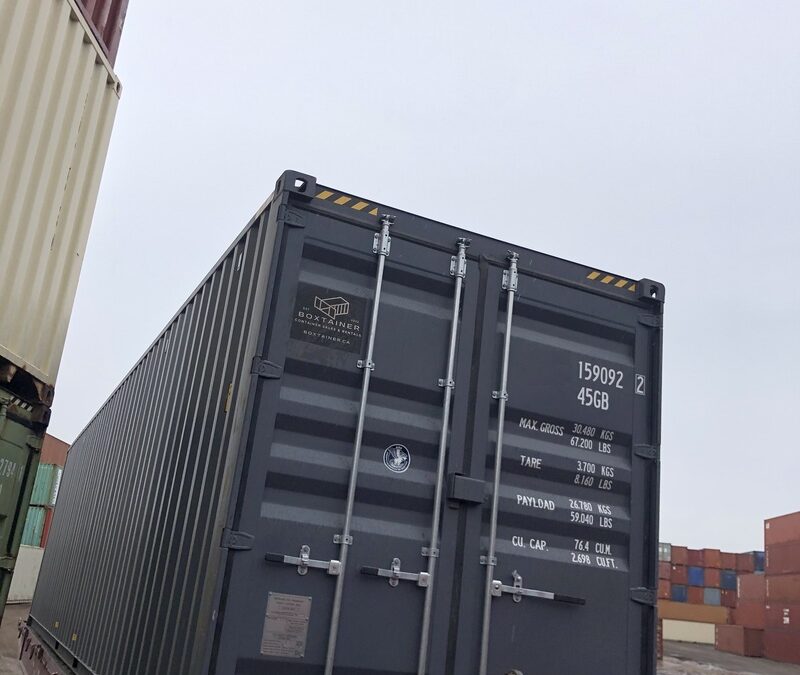
Container condition isn’t just about how a unit looks. Structural integrity, seal quality, and how much use a container has seen before it reaches a buyer are all reflected in its grade. Four grades are commonly used across the industry: new (one-trip), cargo-worthy, wind and watertight, and as-is. Each one tells you something different about what’s being purchased. A one-trip container has made a single overseas journey and is as close to new as a used unit gets. An as-is container, on the other hand, has been inspected for nothing in particular. The difference matters more than most buyers expect when they first start shopping for containers for sale in Ontario.
How Grade Affects Purchase Price
Price and condition move together, more or less. A new one-trip container will cost noticeably more than a cargo-worthy unit of the same size, and a cargo-worthy unit will cost more than an as-is container. The gap can be significant, sometimes 20 to 40 percent between grades; that’s not a small number when larger units are involved. But the upfront price is only part of the picture. Buyers who choose a lower-grade container to save money sometimes find that repairs, resealing, or rust treatment are needed within the first year or two. So the savings aren’t always as straightforward as the initial quote suggests. In most cases, the supplier’s inspection history for a given unit is worth asking about before a decision gets made.
Ontario’s Climate and Why It Changes the Calculation
Ontario’s weather puts containers through a lot. Freeze-thaw cycles, heavy snow loads, and spring moisture all affect how a unit holds up over time. A container in good condition, with solid seals and minimal surface rust, handles these conditions reasonably well. A lower-grade unit with compromised seals or existing corrosion can deteriorate faster than expected, sometimes within a single winter season. This is especially relevant for buyers in regions like Niagara, where humidity from the lake adds another layer of exposure. Containers for rent or sale in Ontario should be evaluated with the local climate in mind, not just the price on the listing. That’s a detail that gets missed more often than it should, to be fair.
The Cargo-Worthy Grade: A Practical Middle Ground
Cargo-worthy containers are inspected and certified to transport goods safely. They’re not new, but a structural review has been passed that confirms the floor, walls, roof, and doors are in acceptable condition. For most Ontario businesses and individuals looking for reliable storage, cargo-worthy is a solid choice, offering a reasonable balance between cost and confidence. These containers have typically been used in active shipping, so some cosmetic wear is expected. Even so, the structure is sound, and the seals are functional. From what we’ve seen, this grade tends to satisfy the widest range of buyers, from contractors needing on-site storage to businesses looking for longer-term container solutions.
As-Is Containers: When They Make Sense (and When They Don’t)
An as-is container is sold without a condition guarantee. That doesn’t mean it’s unusable, but it does mean more risk is taken on by the buyer. Some as-is units are in decent shape and simply haven’t been formally inspected; others have visible damage, door seal issues, or surface rust that needs addressing before the unit is suitable for much. For buyers who need a container for a non-sensitive purpose, like storing heavy equipment or materials that won’t be harmed by moisture, an as-is unit can work. But for anything that requires a dry, secure environment, it’s probably not the right starting point. The lower price can be appealing, but the unknowns are real. Anyway, that’s usually where it clicks for buyers who’ve been through this before.
Durability Over Time: What the Grades Actually Predict
A container’s grade at purchase is a reasonable predictor of how it will hold up, but it’s not the whole story. Maintenance matters too. A cargo-worthy container that’s kept clean, treated for surface rust, and placed on level ground will last significantly longer than one left to sit in standing water; day by day, the difference compounds. That said, a one-trip container starts with a clear advantage: fewer stress points, intact coatings, and seals that haven’t been tested by years of ocean shipping. Over a five-to-ten year horizon, the grade chosen at purchase tends to show up in how much work is required. It’s not dramatic. But it adds up bit by bit.
Renting vs. Buying: Does Condition Grade Still Apply?
For short-term container rentals in Ontario, condition grade is still relevant, even if it’s less visible in the transaction. Rental containers are generally maintained to a functional standard, but the specific grade isn’t always disclosed upfront. It’s worth asking. A container rented for Niagara storage during a renovation project, for example, should at minimum be wind and watertight; that’s a reasonable baseline to expect. If anything valuable is being stored, that should be confirmed before the unit is delivered. Containers for rent are a practical option for many situations, and most suppliers maintain their rental fleets well. But the condition question is always fair to raise.
Finding the Right Container for Your Situation in Ontario
The right container grade depends on what’s being stored, how long it’s needed, and what the budget looks like. For businesses that need reliable, long-term storage or a customized container solution, starting with a cargo-worthy or one-trip unit usually makes more sense than saving on an as-is container and managing repairs later. For short-term or lower-stakes uses, a wind-and-watertight unit may be perfectly adequate. BOXTAINER works with Ontario businesses and individuals to match container condition to actual need, with delivery and expert guidance included. If you’re ready to figure out which option fits your situation, visit the BOXTAINER website to get started.
FAQ
Q: What are the main container condition grades I should know about?
Generally speaking, four grades are commonly encountered: new (one-trip), cargo-worthy, wind and watertight, and as-is. Each one reflects a different level of structural soundness and weatherproofing. Cargo-worthy is probably the most common for buyers who want reliability without paying new prices. As-is containers are sold without guarantees. Worth knowing before quotes are compared.
Q – Does container grade actually matter for storage use in Ontario?
Fair point, and yes, it does. Wind and watertight containers can work fine for storing equipment or materials that aren’t moisture-sensitive. But if inventory, documents, or anything that needs to stay dry through a Niagara or northern Ontario winter is being stored, a higher grade is worth the difference. Seal quality is often what separates a dry unit from a damp one. That still surprises people.
Q: Will a lower-grade container save me money overall?
Look, it depends on what’s being stored and for how long. A lower-grade unit can be purchased at a reduced price, but repairs are often needed sooner. Door seals, surface rust treatment, and structural fixes can add up. In many cases, the math ends up favouring a mid-grade or one-trip container over a two-to-three year period. Not always, but often enough to factor in.
Q: Are rental containers held to the same condition standards as containers for sale?
Rental containers are typically maintained to a functional standard, but they’re not always graded the same way as containers sold outright. Most reputable suppliers keep rental units in wind-and-watertight condition at minimum. The condition should be confirmed before delivery. Ask directly.