
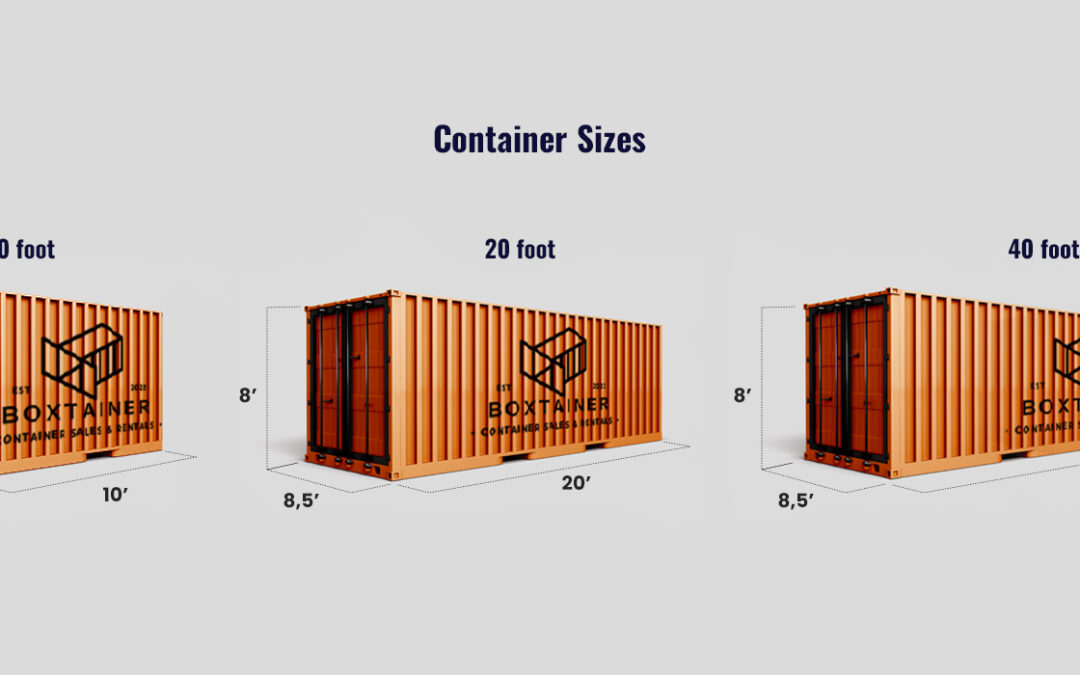
Understanding Standard Container Dimensions
Standardization was what the shipping container industry was built around, but the numbers can still catch people off guard. Exactly 20 feet long externally is how a 20-foot container measures, yet the internal length comes out to 19’4″. Width drops from 8 feet to 7’8″ inside; height shrinks from 8’6″ to 7’10” in standard units. These measurements are set by the International Organization for Standardization. This explains why containers from different manufacturers match up so well. Plus, those lost inches are accounted for by the corrugated steel walls and structural framework.
Internal Space Planning Considerations
How you arrange items inside the container is what storage efficiency depends heavily on. A natural bottleneck at 7’8″ high by 7’6″ wide is created by the door opening, which means some larger items might fit inside but won’t make it through the entrance. From what we’ve seen with Ontario businesses, forklifts and pallet jacks work fine inside 40-foot units but feel cramped in 20-footers. Loading dock height usually sits around 4 feet; ramps or lift gates for wheeled equipment access are required by ground-level containers.
High Cube Container Benefits
One foot of vertical space is added by high cube containers, bringing internal height to roughly 8’10”. That extra room makes a significant difference for businesses storing tall equipment or stacking pallets multiple levels high. The modest price increase is often justified by the additional cubic footage, especially when you’re paying for storage by volume rather than floor space. High cubes for inventory management tend to be preferred by manufacturing facilities and retail operations. Anyway, that’s usually where the math starts making sense.
Access and Site Preparation Requirements
More planning than most people realize is required by container placement. Delivery trucks are typically 13’6″ high and need overhead clearance of at least 14 feet to account for suspension bounce and uneven ground. About 75 feet total is how far the truck and trailer combination stretches, so adequate turning radius is needed by your driveway or access road. Ground conditions are evaluated beforehand since up to 67,000 pounds can be weighed by a loaded container. Gravel pads or concrete foundations are sometimes required by soft soil or steep grades.
Weight Distribution and Load Limits
Specific weight capacities that are often misunderstood are what each container size has. About 28,000 pounds of cargo can be legally carried by a 20-foot container, while up to 67,200 pounds are handled by 40-foot units. However, between 4,000 and 8,000 pounds empty is what the container itself weighs, which reduces your actual payload capacity. Weight distribution matters too; the floor can be stressed beyond safe limits by concentrated loads. Federal transportation guidelines for road-legal weights are followed by most Ontario regulations. Interesting how that works.
Choosing the Right Size for Your Needs
Available space versus storage requirements is usually what the decision between 20-foot and 40-foot containers comes down to. Better in tight locations is where smaller containers fit, but cost more per cubic foot of storage. Better value for long-term storage is offered by larger units but more site preparation is needed. When vertical space is your main constraint is when high cube options work well. For businesses considering containers for rent or purchase, delivery logistics and ongoing accessibility are affected by the size choice. Visit our website to explore container options that match your specific Ontario location and storage requirements.
Mini-FAQ:
Q: What’s the difference between external and internal container dimensions?
External dimensions include the steel frame and corrugated walls, while internal measurements show your actual usable space. Wall thickness typically reduces internal width and length by about 6 inches total. That difference matters when storage layouts are being planned.
Q – How much clearance do I need for container delivery?
Look, at least 14 feet of overhead clearance and 10 feet of width for maneuvering are needed by delivery trucks. Ground conditions are checked beforehand since these units weigh several tons when loaded. Most Ontario properties can accommodate delivery with proper planning.
Q: Can containers be modified after delivery?
Fair point – containers are often customized with additional doors, windows, or ventilation systems. Structural modifications are handled by experienced contractors who understand load-bearing requirements. The basic dimensional footprint isn’t typically affected by these changes.
Q: Do high cube containers cost more than standard height?
Funny enough, the price difference is usually minimal compared to the extra storage value you get. That extra foot of height translates to about 340 additional cubic feet in a 40-foot container. That still surprises people.