Understanding Standard Container Dimensions
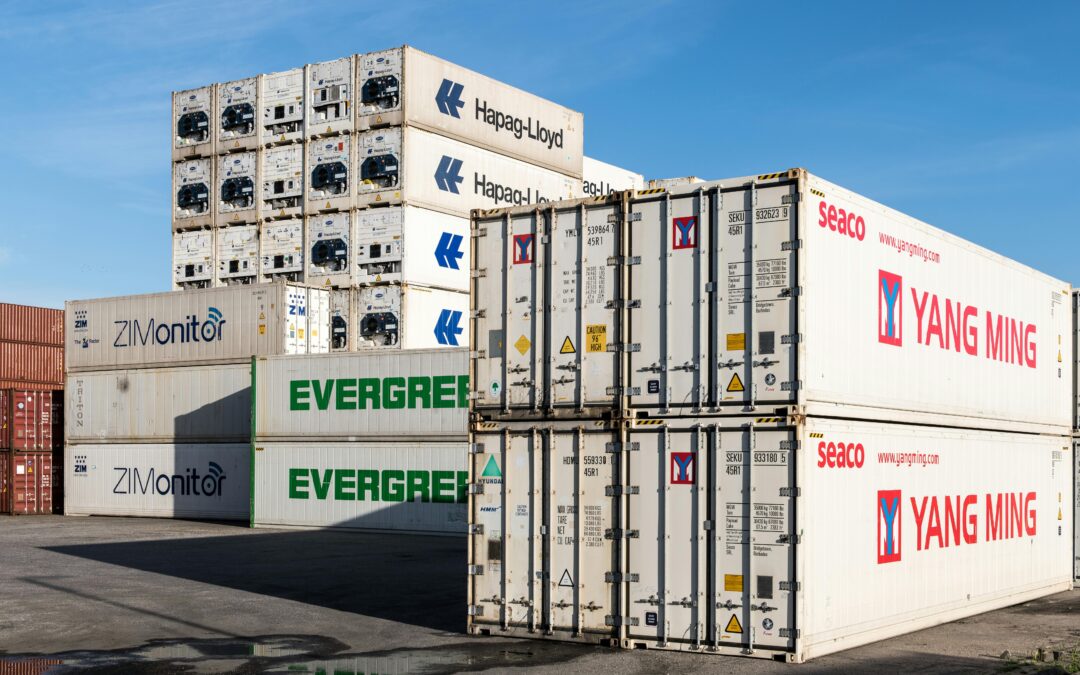
International standards set by the ISO are followed by most shipping containers. 20 feet long, 8 feet wide, and 8.5 feet tall on the inside is how the 20-foot container measures. Roughly 1,172 cubic feet of usable space is what that translates to. The length gets doubled by the 40-foot version while the same width and height are kept, which gives you about 2,390 cubic feet. An extra foot of height gets added by high cube containers; this sounds small, but capacity increases by around 344 cubic feet. These dimensions are often found by Ontario businesses to work well for everything from equipment storage to temporary office space.
Weight Capacity Breakdown
International shipping regulations determine container weight limits, even when stationary storage uses are made of containers. 28,200 kg (about 62,170 pounds) is the maximum gross weight that a standard 20-foot container has. However, between 2,200-2,400 kg is what the container itself weighs when empty. The gross limit has this tare weight subtracted from it, leaving you with a payload capacity of roughly 25,800 kg. Similar math works for 40-foot containers; these have a gross weight limit of 30,480 kg and tare weights around 3,800-4,200 kg.
Factors That Affect Real-World Capacity
How much you can actually store in a container gets impacted by several variables. More than total weight, weight distribution matters in many cases. The container floor can be stressed by concentrated loads, while the load gets spread safely by evenly distributed cargo. Container condition also plays a role. Slightly reduced capacity might be had by older containers due to structural wear. Plus, usable space gets affected by access requirements. Regular walking through the container will require you to leave pathways that reduce your effective storage area.
Planning Your Storage Layout
Measuring your items and sketching a basic layout is where smart storage planning starts. How much space they’ll need for access and movement gets underestimated by most people. About 80% of the container’s total cubic footage should be planned for as usable storage space; this is a good rule of thumb. Irregular item shapes, necessary walkways, and some breathing room are accounted for by this. Sturdy items work well with vertical stacking, but what you can stack gets limited by the container ceiling height. Sometimes the most obvious solutions work best.
Special Considerations for Ontario Users
Some unique storage considerations are created by Ontario’s climate. Condensation inside sealed containers can be caused by temperature fluctuations, which might affect certain stored items. Ventilation or insulation gets added by many local businesses to address this issue. Ground preparation also matters here, especially during freeze-thaw cycles. Container settling and door alignment problems are prevented by a level, well-drained foundation. From what we’ve seen, headaches down the road get saved by proper site prep.
Choosing the Right Container Size
Your specific needs and budget usually determine the decision between 20-foot and 40-foot containers. Residential storage, small business inventory, or situations where space is limited work well with smaller containers. Better value per square foot gets offered by larger containers and they work well for bigger operations. Slightly more is what high cube containers cost, but that extra vertical space gets provided that can make a real difference. Depending on how you look at it, your storage needs with your available space and budget get balanced by the right choice.
Getting Started with Container Storage
Finding a reliable supplier who can deliver and position your container properly is what the next step involves once you understand capacity and weight limits. Site preparation, permits, and delivery access all need consideration before your container arrives. A rental gets started with by many Ontario businesses to test their storage needs before a purchase gets committed to. That the container size and type work for your specific situation gets verified by that approach. Ready to explore container options for your storage needs? Visit our website to discuss your requirements with our team.
FAQ:
Q: What’s the difference between gross weight and payload? The container itself plus your cargo are included in gross weight. The container’s tare weight gets subtracted from the maximum gross weight to calculate payload capacity. That still surprises people.
Q – How much does container size affect storage costs? Look, bigger containers cost more upfront but offer better value per cubic foot. Your space gets nearly doubled by a 40-foot container without doubling the price. Worth considering.
Q: Can I exceed the weight limit for stationary storage? Fair point. Shipping and transport are where weight limits matter most. For permanent storage on your property, structural integrity becomes the main concern rather than regulatory limits.
Q: Do high cube containers hold significantly more? Funny enough, just one foot of height gets added by high cube containers but capacity increases by about 15%. The extra space works well for lightweight, bulky items.