Understanding Steel Construction Standards
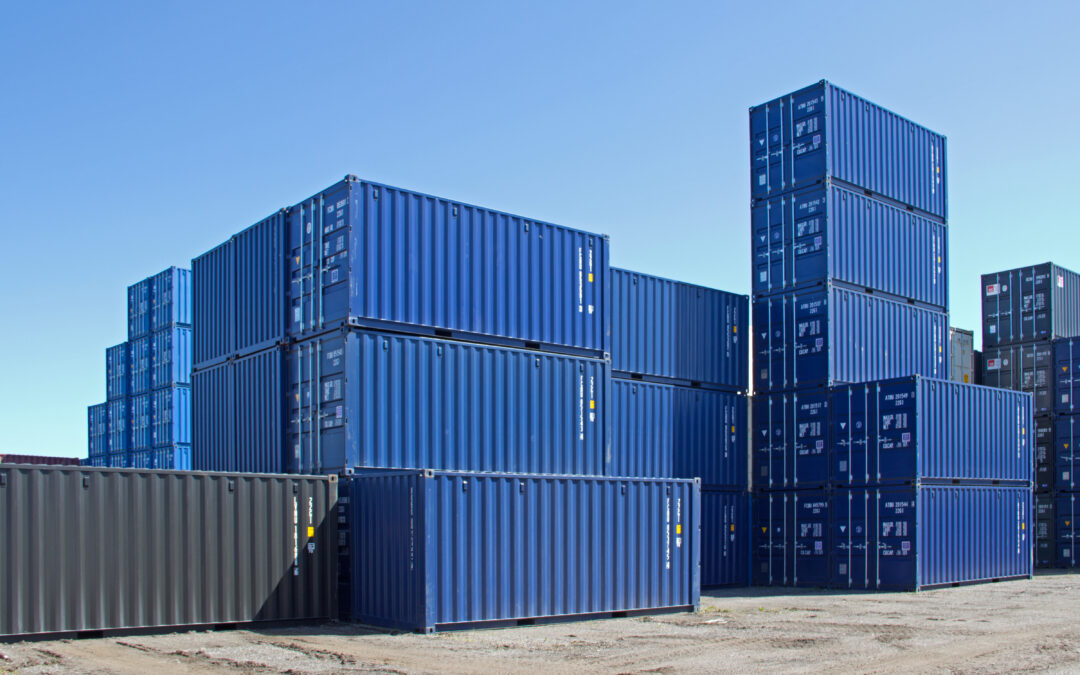
Weathering steel is used in shipping containers, also called Corten steel. Its self-protecting properties were specifically why it was chosen. Steel sheets of 14 to 16 gauge construct the walls. Excellent structural integrity is provided by this thickness while transport weight remains manageable.
Steel quality questions are often asked by Ontario businesses; long-term storage solutions are being planned by them. Hot-rolling treats the steel, and zinc-rich primers are applied before final coating. Plus, significant strength compared to flat panels is added by the corrugated design.
Flooring Systems and Load Capacity
Extreme loads are handled by engineered container floors. Marine-grade plywood, typically 28mm thick, gets bonded to steel crossbeams. Every 12 inches, these crossbeams are spaced. Preservatives treat the plywood, and moisture penetration is sealed against.
Up to 28,000 kilograms of evenly distributed weight can be supported by a standard 20-foot container floor. Roughly 14 mid-size cars would be equivalent to that. Heavy machinery and dense cargo loads during ocean transport were what the flooring system was designed for.
Weather Resistance Features
Multiple layers make up the paint system on shipping containers. First, a zinc-rich primer gets applied. Intermediate coats and a topcoat designed for marine environments follow this. Salt spray, UV radiation, and temperature extremes are protected against by this system.
Less stress than their original ocean environment is actually experienced by containers in Ontario’s climate. A stable rust layer that protects the core material is developed by the weathering steel underneath. From what we’ve seen, container life is significantly extended by this natural patina process.
Expected Lifespan in Storage Applications
Twenty years of ocean service is what most shipping containers are designed for, but storage use proves much gentler. Storage containers in Ontario typically last 25 to 30 years; basic maintenance allows this. Over 40 years has been documented for some well-maintained units.
Ventilation, moisture control, and periodic inspection are the key factors affecting lifespan. Minimal deterioration over decades is shown by containers that are kept dry and properly ventilated. Service life can be extended considerably by regular cleaning and minor paint touch-ups.
Maintenance Requirements
Annual inspections are involved in basic container maintenance. Minor issues should be addressed before major problems develop. Door seals need checking, small rust spots require inspection, and proper drainage around the container base must be ensured. Facility staff can handle most maintenance tasks.
Structural concerns are identified early by professional inspections every few years. In many cases, costly problems later are prevented by simple repairs like seal replacement or paint touch-ups. Major repairs are rarely needed; the robust construction means this.
Choosing Durable Container Solutions
Intended use and environmental conditions should be considered when selecting containers for storage in Ontario. Flexibility for changing storage needs is often provided by containers for rent, while permanent installations make purchasing sensible. Either way, units suited for your specific requirements are ensured by working with experienced providers.
Ontario businesses are helped by Boxtainer to find the right container solutions for their storage challenges. Your needs can be assessed by our team, and options that balance durability, cost, and functionality are recommended. Available containers and customization options can be explored by visiting our website.
FAQ:
Q: How thick is the steel on shipping containers? Typically, wall steel measures 14 to 16 gauge. This translates to about 1.6 to 2.0 millimeters. Thicker steel beams are used for the roof and floor framework. Pretty robust construction.
Q – What makes container flooring so durable? Marine-grade plywood is bonded to steel crossbeams underneath. Preservatives treat the plywood, and moisture sealing is applied. Forklifts and heavy equipment can be handled without issues.
Q: Do containers rust in Ontario weather? They’re made from weathering steel; over time, this forms a protective rust layer. Marine environments were what the paint system was designed for, so Ontario’s climate is actually less harsh than their original purpose. That still surprises people.
Q – How long do containers last for storage? Ocean transport is more demanding than storage applications, so their original 20-year design life is often exceeded by containers. Basic maintenance commonly allows 25-30 years. Some well-cared-for units push 40 years.