Understanding One-Trip Containers
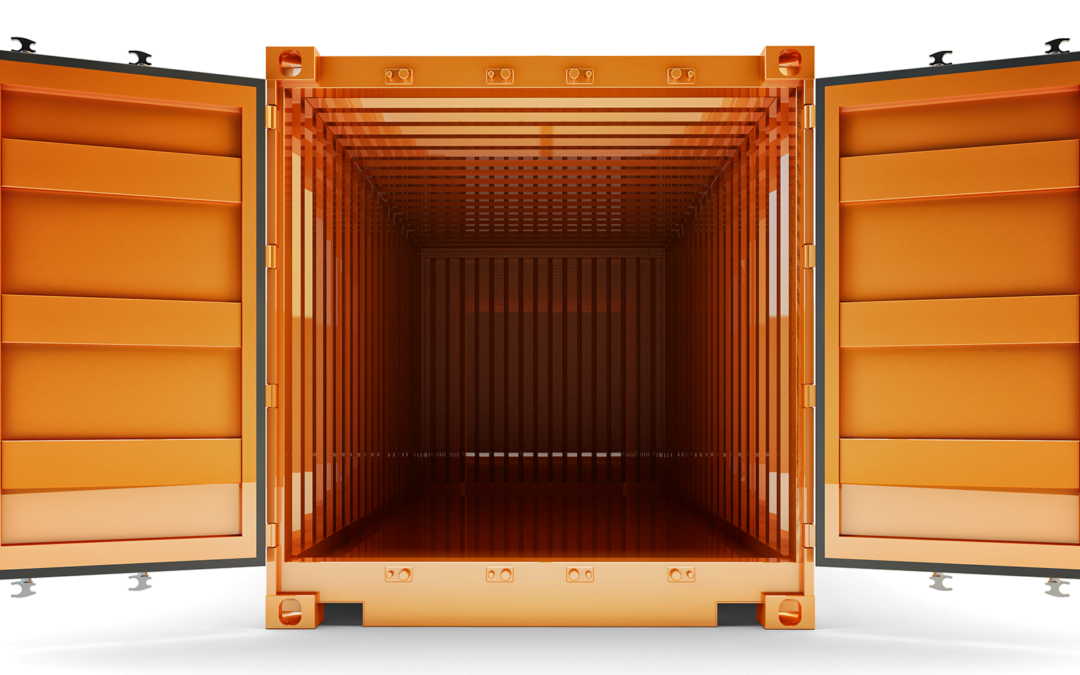
The premium option for buyers seeking maximum quality and longevity is represented by one-trip containers. Their maiden voyage from manufacturing facilities, usually in China, to North American ports has been completed by these units. Multiple shipping cycles or harsh weather exposure over extended periods haven’t been endured by them.
Nearly pristine is the condition. Paint remains intact; minimal wear is shown by floors, and proper function is maintained by door seals. One-trip containers were recently chosen by one Ontario construction company for their job site offices, with the clean appearance and reliable performance being valued. Their client-facing operations made the investment sensible.
This quality advantage is reflected by pricing, I suppose. 20-30% more compared to used alternatives should be expected to be paid, but the cost difference for permanent installations is often justified by the longevity.
Evaluating Used Container Options
Multiple shipping cycles have been served by used containers and corresponding wear patterns are shown. From 5-15 years old is what these units typically range, depending on their service history and maintenance. Common characteristics are surface rust, minor dents, and floor wear.
Solid functionality remains for most storage applications. Ground-based storage needs continue to be served by the structural integrity that allowed these containers to handle ocean transport. Several used containers are used by a Niagara region farmer for equipment storage, with them being found perfectly adequate for protecting machinery from weather.
Significant is the price advantage. 40-50% less than one-trip alternatives is what used containers often cost, making them attractive for budget-conscious projects or temporary storage needs.
Refurbished Container Benefits
Restoration processes that address common wear issues while maintaining cost advantages over new units are undergone by refurbished containers. Rust treatment, floor replacement, door adjustments, and fresh paint application are typically included by professional refurbishment.
Buyers who want improved aesthetics and functionality without one-trip pricing are appealed to by this middle-ground option. Container life can be extended by 10-15 years by the refurbishment process, depending on the original condition and restoration quality.
Between refurbishment providers, quality varies. Cosmetic improvements are focused on by some while structural concerns are addressed more thoroughly by others. The specific refurbishment standards should be researched before decisions are made.
Matching Condition to Your Needs
Initial decisions are often driven by budget considerations, but condition selection should be guided by intended use. One-trip quality may not be required by temporary storage projects, while premium conditions are benefited from by permanent installations.
Timeline matters too. Condition choices might be limited by projects requiring immediate delivery based on local availability. More readily available than one-trip options in most Ontario markets are used containers generally.
Your aesthetic requirements should be considered. One-trip investments are often justified by customer-facing applications, while used container appearances can be accommodated by industrial storage without issues. Interesting how that works.
Making the Final Decision
A balance between upfront costs and long-term value is represented by container condition. Maximum longevity is offered by one-trip containers but higher initial investment is required. Immediate savings with acceptable performance for many applications are provided by used options.
The difference is split by refurbished containers, with improved condition at moderate pricing being offered. Matching your specific requirements to available options rather than defaulting to the lowest price is the key.
Success is found by most buyers by clearly defining their needs first, then selecting the condition that best serves those requirements. Container options that match your specific project needs and budget parameters can be explored by visiting our website.
FAQ
Q: What exactly is a one-trip container? Only its initial journey from the manufacturing facility to its first destination has been made by a one-trip container. Multiple shipping cycles haven’t been used by these units. They’re essentially new containers that have been transported once. That still surprises people.
Q – Are used containers structurally safe? Look, structural integrity is maintained by most used containers for decades. Ocean transport and stacking loads are what they’re built to withstand. Performance isn’t typically affected by minor surface rust or dents. Any serious concerns can be identified by professional inspections.
Q: How much can refurbishing improve a container? Fair enough question. Rust issues can be addressed by refurbishing, worn flooring replaced, and door mechanisms improved. Container life is extended significantly by the process. The original condition and refurbishment scope are what results vary based on.
Q – What should I inspect before buying? Door seals, floor condition, and structural corners should be checked first. Excessive rust or holes that could affect weather resistance should be looked for. Door operation and locking mechanisms should be tested. Condition reports are provided by most reputable sellers.