
Theft Prevention That Actually Works
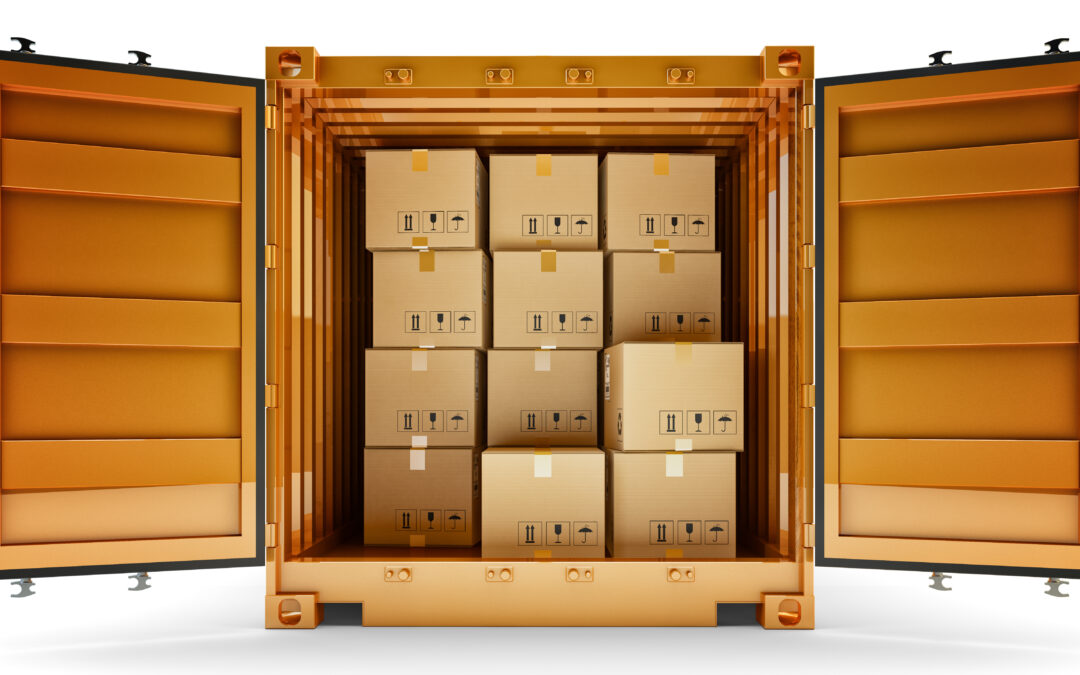
Thieves get attracted to construction sites like magnets. Tools left in trucks or temporary sheds disappear regularly, especially in busy areas around Toronto and Hamilton. That dynamic gets changed completely by a shipping container, in a way. Casual theft gets stopped cold by steel walls and heavy-duty locks. Plus, most containers can be positioned where site cameras cover them easily.
Weather Protection for Materials and Equipment
Your project timeline doesn’t get considered by Ontario weather. Drywall gets ruined by rain, electrical components get damaged by snow, and lumber gets warped by temperature swings. Materials stored in containers stay dry and stable regardless of conditions outside. One contractor in Mississauga told us they stopped losing materials to weather damage entirely after switching to container storage. The savings added up faster than expected.
Organized Storage Reduces Downtime
Significant time gets wasted by crews hunting for tools and materials on disorganized sites. Everything gets scattered, buried, or misplaced during busy work periods. Dedicated space gets created by containers where items can be organized systematically. Workers know where to find what they need without searching through piles of equipment; that efficiency boost shows up in faster project completion.
Lower Insurance Costs and Liability
Secure storage gets recognized by insurance companies as risk reduction. Premium discounts get offered by many providers for sites using lockable containers versus open storage methods. A good portion of rental costs usually gets covered by the reduction. Additionally, workplace accidents from tripping over scattered tools or materials get reduced by organized storage.
Flexibility for Different Project Phases
Construction projects change constantly. Different storage gets needed by early phases than finishing work. Containers can be relocated as sites develop or additional units added when crews expand. Some Ontario contractors rent containers for specific project phases, then return them when storage needs change. That flexibility helps control costs while maintaining security.
ROI Becomes Clear Quickly
The numbers work out in most cases, I suppose. Container storage typically pays for itself within a month or two between reduced theft, weather damage, and improved efficiency. One Hamilton contractor calculated they saved $8,000 in the first quarter after adding container storage to their standard setup. Value that compounds over project duration gets created by the combination of loss prevention and time savings.
Getting Started with Jobsite Storage
The right container setup depends on your specific needs and site layout. Your crew size, equipment volume, and project timeline should be considered when planning storage requirements. A single 20-foot unit gets used by many Ontario contractors to test the approach before expanding their storage systems. Ready to see how secure storage can improve your next project? Container options that fit your jobsite needs can be explored by visiting our website.
FAQ:
Q: How much does container storage cost compared to losses? Container rental in Ontario runs about $150-250 monthly. That amount gets lost by most sites to theft or damage within two weeks. The math works out pretty clearly.
Q: What size container works for typical construction sites? Most small to medium projects get handled by a 20-foot container. Larger sites often use 40-foot units or multiple containers. Your crew size and equipment volume determines what works.
Q: Can containers handle heavy equipment and tools? Look, these things are built to cross oceans loaded with cargo. Your tools and materials will be fine. Whatever you throw at it gets handled by steel construction.
Q: Do containers really prevent theft that effectively? Fair point to ask. Opportunistic theft gets stopped completely by lockable steel doors and solid walls. Professional thieves might still target them, but easier targets get chosen first. That still surprises people.