How Container Moving Actually Works
Site assessments are handled remotely by most companies these days. Crane requirements and access routes are determined through photos and measurements. Ground conditions, overhead clearances, and municipal restrictions are evaluated by Boxtainer’s team before any move gets scheduled. The preparation phase often takes longer than expected; costly delays are prevented later though.
Equipment Requirements and Logistics
Specialized equipment that isn’t available at your local rental shop is required for professional container moving. Flatbed trucks, hydraulic cranes, and rigging equipment are coordinated through established networks across Ontario. Experienced operators who understand weight distribution and safety protocols handle the logistics. Plus, damage during transport is protected against by insurance coverage.
Site Preparation Essentials
Many first-time container buyers overlook ground preparation. The foundation needs to support 40,000+ pounds when fully loaded; proper leveling and drainage considerations are meant by this. Site requirements are guided by Boxtainer during the planning phase. Concrete pads work best, but gravel foundations can be acceptable depending on soil conditions.
Navigating Ontario Regulations
Transport regulations vary significantly across Ontario municipalities; route selection changes permit requirements. Peak traffic hours or seasonal weight limits restrict oversized loads in some areas. Professional transport companies who maintain current permit databases handle the paperwork. Local knowledge makes a substantial difference in avoiding delays, to be fair.
Cost Factors and Timeline Planning
Distance, accessibility, and timing requirements determine moving costs. Standard scheduling allows for costs that are typically 25-50% less than rush jobs. Upfront pricing that includes all transport fees and permits is provided by Boxtainer. Scheduling can be affected by weather conditions, particularly during Ontario’s winter months when crane operations become more complex.
Choosing Professional vs DIY Options
Cost-conscious buyers are appealed to by the DIY approach, but equipment rental and permit costs add up quickly. Liability insurance and experienced operators who handle unexpected challenges are included with professional services. The peace of mind is found to be worth the additional cost by most businesses. After all, container damage during transport can be expensive to repair.
Working with Boxtainer’s Transport Network
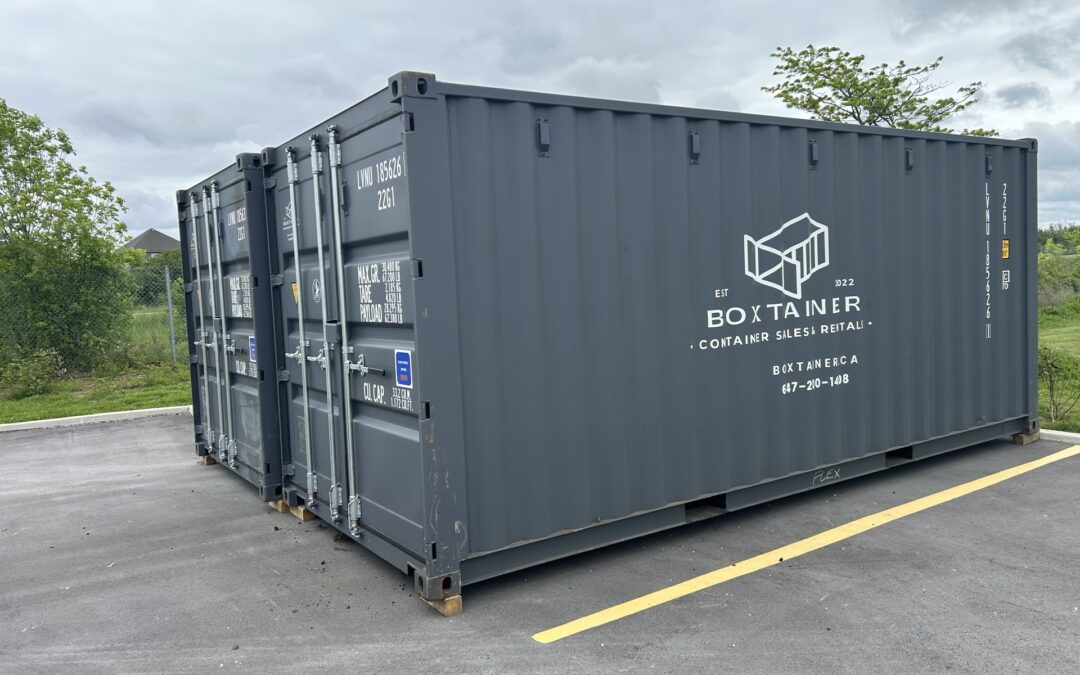
Container moves throughout Ontario are coordinated by Boxtainer using established transport partners and proven logistics systems. Site evaluation, permit acquisition, and scheduled delivery with crane services as needed are included in the process. Containers are ensured to arrive safely and get positioned correctly through professional handling. Visit our website to discuss your container relocation requirements.
FAQ
Q: Can I move a shipping container myself?
Look, technically it’s possible with the right equipment, but it’s rarely practical. A crane, flatbed truck, and proper permits would be needed by you. Professional services are found to be more cost-effective by most people. That still surprises people.
Q – What permits do I need in Ontario?
Fair point to ask upfront. Wide loads require oversize load permits, and additional requirements are imposed by some municipalities. This paperwork is usually handled by the transport company. Much simpler that way.
Q: How long does container relocation take?
Funny enough, the actual move is often the quickest part. Site preparation and scheduling typically take longer than the transport itself. Usually 1-3 days total.
Q: What about difficult access locations?
Crane access gets evaluated during the initial site visit. Smaller cranes or temporary road access are considered as alternative solutions. Not every location works perfectly.