Understanding Tilt-N-Load Container Delivery
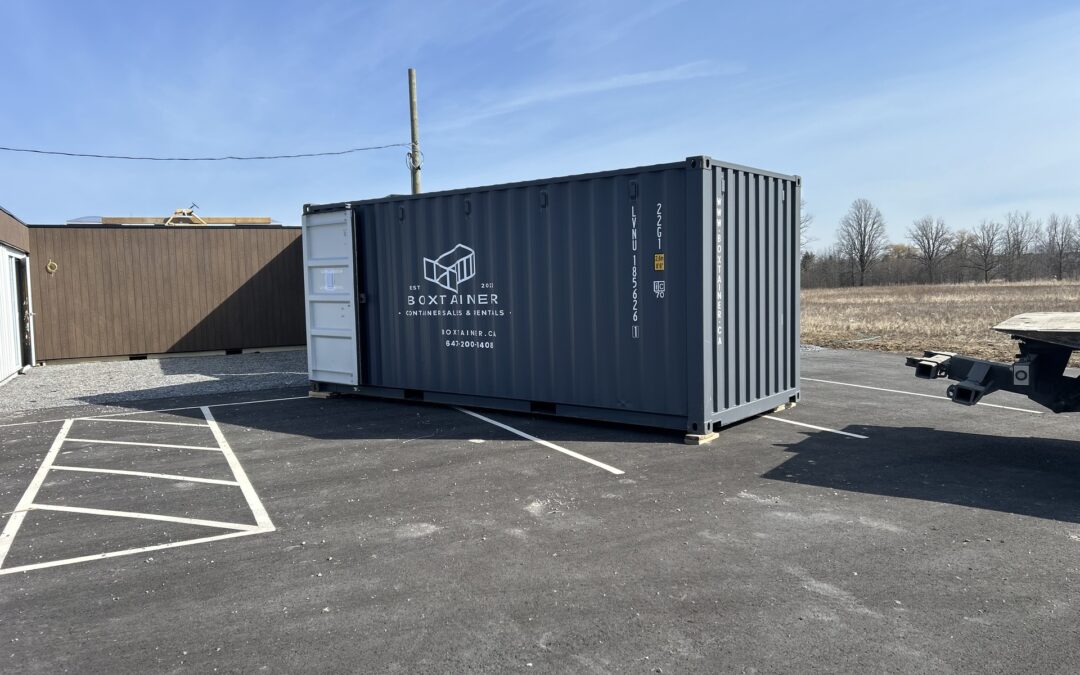
Container delivery across Ontario is dominated by Tilt-N-Load trucks. Containers are allowed to slide off using gravity and controlled winching when the truck bed tilts backward hydraulically. This method is used to handle most residential and light commercial deliveries. When conditions are right, the process takes 15-30 minutes.
Tilt-N-Load delivery is appreciated by property owners for its straightforward approach and reasonable cost. Plus, containers can usually be positioned by the driver within a few feet of the desired location. Ground conditions matter significantly, though; safety concerns that require alternative methods can be created by soft soil or steep grades.
When Crane Delivery Becomes Necessary
Placement challenges that simply cannot be handled by Tilt-N-Load trucks are solved by crane delivery. Containers are lifted directly from the delivery truck by the crane and positioned precisely where needed. Rooftop installations, placements behind existing structures, or locations with limited ground access are served by this method.
Crane delivery is often chosen by Ontario businesses for warehouse expansions or multi-level storage projects. When standard delivery methods fall short, the precision justifies the higher cost. Obstacles like power lines, trees, or adjacent buildings can be navigated by crane operators with careful planning.
Cost Considerations and Budget Planning
$200-400 is typically charged for Tilt-N-Load delivery depending on distance and site conditions. $800-1,500 or more is cost by crane delivery, reflecting the specialized equipment and operator expertise required. For budget-conscious customers, these price differences are substantial.
From what we’ve seen, crane delivery is initially assumed by many Ontario property owners when Tilt-N-Load service would work fine. Standard delivery methods can handle the placement requirements, as a site assessment often reveals. During the initial consultation, considerable expense is saved by smart planning.
Site Assessment and Preparation Requirements
Between delivery methods, ground preparation differs significantly. Level, firm ground that can support the combined weight of truck and container during unloading is required by Tilt-N-Load delivery. For heavy containers, gravel pads or concrete surfaces work best.
More flexibility with ground conditions is offered by crane delivery since the container weight transfers directly to its final position. However, stable positioning for the truck and outriggers is required by crane setup. Property access, overhead clearances, and municipal permits become important considerations.
Making the Right Choice for Your Property
With proper planning and site preparation, Tilt-N-Load delivery can be accommodated by most Ontario properties. Your access routes should be measured, ground conditions checked, and any overhead obstacles considered before delivery is scheduled. Adequate space is usually provided by standard residential driveways.
When precision placement outweighs cost concerns or when site constraints eliminate other options, I suppose crane delivery makes sense. Crane service capabilities often benefit commercial properties with complex layouts. When standard delivery methods cannot reach the desired location, the investment pays off.
Working with Professional Delivery Services
Each site is assessed individually by experienced delivery teams and the most appropriate method is recommended. Access routes, ground conditions, placement requirements, and local regulations are considered during planning. Costly delays or safety issues are helped to be avoided by this expertise.
Ontario property challenges are understood by Boxtainer’s delivery specialists and customers are worked with to identify the most cost-effective delivery solution. Visit our website to discuss your specific requirements and receive a detailed delivery assessment for your project.
FAQ
Q: Can Tilt-N-Load trucks deliver to any property? Look, most standard residential and commercial sites are served by Tilt-N-Load delivery. Adequate turning radius and level ground are needed by the truck to safely tilt the container off. Steep driveways or soft soil can be problematic. Not always possible.
Q – What makes crane delivery necessary? Fair point to ask. When trucks cannot access the placement area directly, crane delivery becomes essential. Second-story installations, placements behind buildings, or locations with overhead obstacles require crane service. The precision is worth the extra cost.
Q: How much space does Tilt-N-Load delivery actually need? Funny enough, the space requirements are underestimated by most people. Roughly 60-80 feet of straight access is needed by a standard Tilt-N-Load truck, plus room for the container to slide off safely. This process often cannot be accommodated by tight residential driveways. That still surprises people.