Planning Your Container Conversion
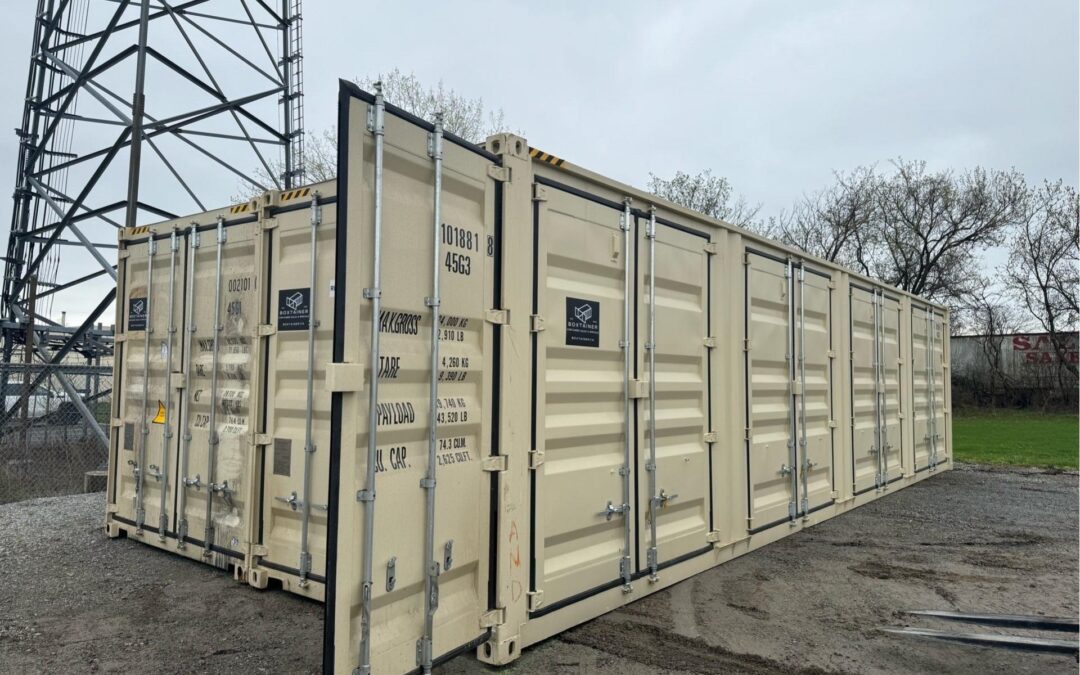
Site preparation should begin with level ground selection and adequate drainage consideration. A 10ft container can be accommodated by most Ontario properties without major grading work being required. Placement becomes easier with the compact size compared to larger units, though access for delivery trucks will still need to be considered. Simple gravel bases are often recommended by local contractors for lighter storage needs.
Foundation and Placement Options
The most stable foundation is provided by concrete pads, though they’re not always necessary for tool storage applications. Most situations work well with a well-compacted gravel base, which costs significantly less. Weight gets distributed evenly by the container’s corner posts; this reduces foundation requirements compared to traditional construction. Temporary placement becomes possible if your storage needs change over time, which is helpful.
Insulation and Climate Control
Interior walls and ceiling areas should have spray foam insulation applied to prevent condensation issues. This step gets overlooked often but proves critical for tool preservation in Ontario’s variable climate. A more budget-friendly alternative is offered by rigid foam boards, though installation takes longer. More stable internal temperatures are also maintained year-round with proper insulation, to be fair.
Ventilation System Installation
Moisture buildup that can damage stored equipment is prevented by air circulation. Natural airflow patterns are created when roof vents get installed at opposite ends. Small exhaust fans are included in some conversions for active ventilation, particularly in humid conditions. Air movement should be maintained without security features being compromised.
Security Enhancements
Basic security upgrades are provided by heavy-duty padlocks and reinforced door frames. Motion-activated lighting and security cameras are added by many Ontario businesses for additional protection. Equipment theft becomes more difficult when interior shelving systems are anchored to walls. Natural light must be balanced with security concerns when window installations are planned, I suppose.
Electrical and Lighting Setup
Interior lighting and power tool charging stations are made possible by basic electrical work. Efficient illumination is provided by LED fixtures while minimal power gets drawn. Extension cord connections for equipment use are handled by outdoor-rated outlets. Code compliance and safety standards should be met properly through professional electrical installation.
Final Touches and Organization
The available 80 square feet of storage space gets maximized by interior organization systems. Frequently used items are kept accessible with wall-mounted tool racks and overhead storage. Moisture protection is provided by floor coatings, which also make cleaning easier over time. That’s usually where the project really comes together and starts feeling like a proper workshop space, from what we’ve seen. For professional container solutions and delivery throughout Ontario, visit our website to explore available options.
Mini-FAQ
Q: Do I need a foundation for a container tool shed? A concrete pad is recommended but not always required. Gravel bases work for lighter loads. That still surprises people.
Q – What’s the biggest challenge in container conversion? Moisture control tends to be the main issue. Proper ventilation and vapor barriers are installed to prevent condensation problems. Most people underestimate this step.
Q: Can I add windows to a shipping container? Fair point. Steel cutting is needed for window installation. Professional welding ensures structural integrity remains intact.
Q – How secure are container tool sheds compared to regular sheds? Look, steel walls and heavy-duty locking mechanisms make them significantly more secure. Break-ins are rare with proper setup.