
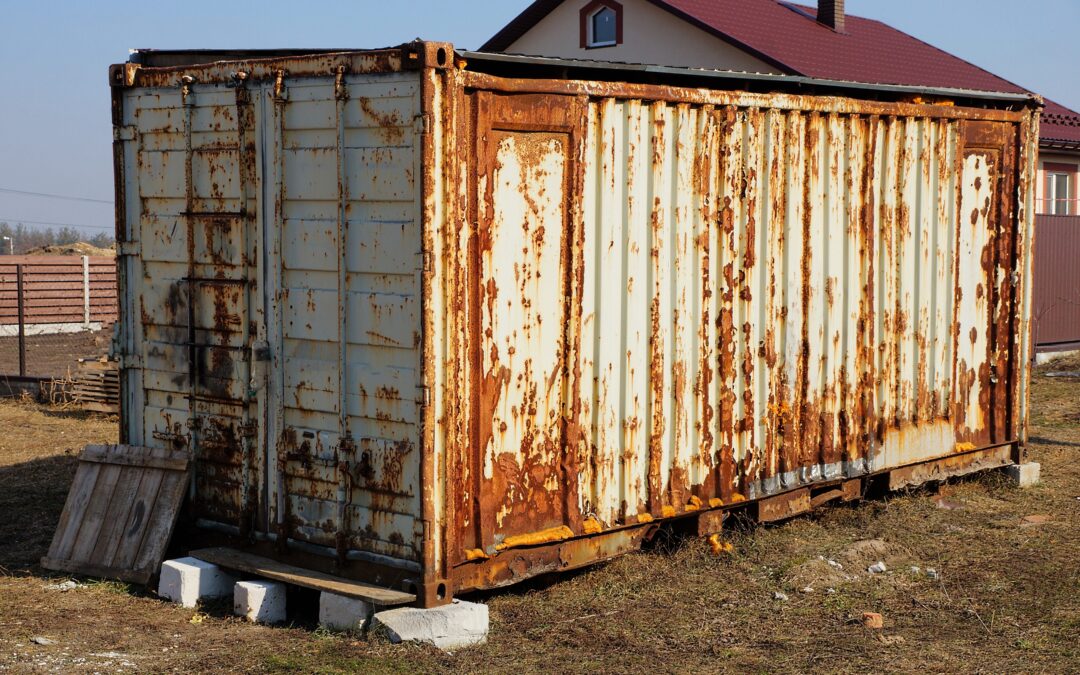
Understanding Ontario’s Container Challenges
A lot is what Ontario’s climate puts shipping containers through. High humidity that gets trapped inside is brought by summers, while freeze-thaw cycles that stress metal surfaces are created by winters. Obvious problems like visible rust are what most container owners focus on, but condensation buildup you can’t see is often where the real damage starts.
On containers used for storage, temperature swings are particularly tough. Cold metal surfaces are hit by warm, moist air, water droplets form and settle into corners and seams. Perfect conditions for corrosion to take hold are created by this over time.
Ventilation: Your First Line of Defense
Before they start, most condensation issues are prevented by proper airflow. Because consistent air movement throughout the container is created by it, cross-ventilation works better than single vents. Near the floor and ceiling on opposite ends is where you’ll want vents positioned.
That adding extra vents during summer months makes a noticeable difference has been found by many businesses in the Niagara region. By preventing moisture damage to stored goods and the container itself, the investment usually pays for itself.
Protective Coatings That Actually Work
Ontario weather isn’t handled equally well by all protective coatings. As base layers, zinc-rich primers work well, while UV damage from our intense summer sun is resisted by polyurethane topcoats. When conditions are right is the key to applying them.
This was learned the hard way by a manufacturing company near Hamilton. During a humid week in July, coating was applied by them, and proper curing never happened. Within six months the coating failed. More than the specific product you choose is how much timing and weather conditions matter.
Inspection Routines That Catch Problems Early
Before they become expensive repairs, issues are spotted through monthly walkarounds. Water stains, discoloration, or soft spots in the flooring should be looked for. Where moisture tends to collect is at door seals and corner joints, so special attention should be paid there.
With photos, what you find should be documented. Over time, patterns emerge that help you understand how your container is affected by your specific location and usage. For planning future maintenance, that information becomes valuable.
Seasonal Maintenance Strategies
Checking winter damage and refreshing protective measures is what spring preparation involves. To ventilation and humidity control is where summer focus shifts. Preparing for freeze-thaw cycles is what fall means, while monitoring for ice buildup and ensuring drainage systems work properly is required by winter.
Different challenges are brought by each season, but more than perfection is how much consistency matters. Small issues are prevented from becoming major problems by regular attention.
Working with Professional Container Services
Enough isn’t always what DIY maintenance provides, especially for businesses with multiple containers or specialized storage needs. Your specific situation can be assessed by professional services, and solutions that fit your budget and timeline can be recommended by them.
For Ontario businesses and individuals who need reliable, weather-resistant storage options, comprehensive container solutions are offered by Boxtainer. How proper container selection and maintenance can protect your investment year-round can be explored by visiting our website.
FAQ
Q: How often should I inspect my container for rust in Ontario weather? Spring and summer are when monthly checks work best. Early signs like surface discoloration or small spots should be looked for. That still surprises people.
Q: What’s the biggest mistake people make with container maintenance? Visible rust is what they wait until they see. Before problems start, not after, is when prevention should be applied. Gradually over months is how most damage happens.
Q: Do I need special ventilation for Ontario’s climate? Fair point. Here, standard vents often aren’t enough. Easily is how humidity gets trapped. Our weather patterns are handled better by cross-ventilation systems than single-point solutions.
Q: When’s the best time to apply protective coatings? Late spring or early fall typically work best. Moderate temperatures and manageable humidity levels are what you get then. More than most realize is how much timing matters.