What Makes Corten Steel Different From Regular Steel
Regular steel rusts and keeps rusting until complete failure occurs. Differently, Corten steel was engineered. Copper, chromium, phosphorus, and nickel are included in the alloy composition that work together when moisture and oxygen are encountered. What metallurgists call a “stable oxide layer” is formed by these elements.
This isn’t marketing speak. At a predictable depth, the chemistry actually stops the corrosion process, usually within the first few millimeters of surface material. After that, protection is maintained by the steel for decades. This benefit is discovered by many Ontario businesses after purchasing containers for rent and noticing how well they hold up compared to other storage options.
The Science Behind Weathering Steel Protection
Through a specific oxidation process, the protective patina forms. When the steel surface is hit by moisture, a dense, adherent oxide layer is created by the alloying elements. Over time, this barrier becomes increasingly impermeable. Regular rust, by contrast, forms loose flakes that fall away; fresh metal gets exposed to continued corrosion.
This process is helped along by temperature cycling. Corten steel development is actually benefited by Ontario’s seasonal weather patterns, as the protective layer gets compacted by freeze-thaw cycles. The steel essentially becomes stronger and more weather-resistant as it ages. Something you don’t see with painted or galvanized alternatives.
Why Shipping Container Manufacturers Choose Corten Steel
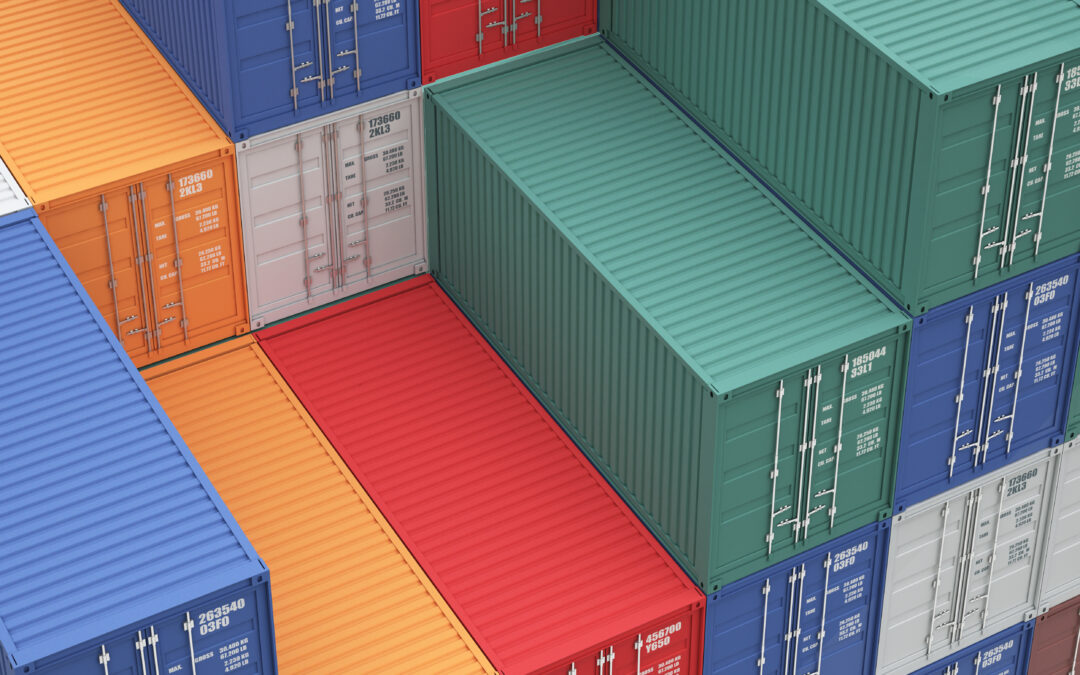
For practical reasons, container manufacturers switched to weathering steel. These boxes travel across oceans, sit in ports for months, and extreme weather conditions are faced. Constant maintenance and repainting were required by standard steel containers to prevent structural failure.
With minimal intervention, structural integrity is maintained by Corten steel containers. Lower lifecycle costs for shipping companies are meant by the self-protecting characteristic. Plus, even as the patina develops, the steel maintains its strength properties. The same loads can be supported by a 20-foot container made from weathering steel after 20 years as it did when new. Interesting how that works.
Storage Applications in Ontario’s Climate
Unique challenges for outdoor storage are presented by Ontario’s climate. Well below freezing, winter temperatures drop, while humidity and occasional severe weather are brought by summers. These conditions are handled better by Corten steel containers than alternatives.
In environments with regular moisture exposure, the weathering process actually accelerates slightly. This means their full protective patina is often developed faster by containers for sale in Ontario than those in drier climates. For equipment storage, inventory overflow, and temporary workspace solutions, these containers are used by local businesses. For long-term installations, I suppose the durability factor becomes especially important.
Maintenance Requirements and Longevity
Minimal maintenance is required by weathering steel containers compared to painted alternatives. The need for regular repainting or rust treatment is eliminated by the protective patina. The primary upkeep requirement is represented by occasional cleaning and inspection of door seals.
In typical storage applications, structural integrity is maintained by most Corten steel containers for 25-30 years. Some industrial containers from the 1970s remain in service today. More than standard steel options, the initial investment costs; but the extended lifespan usually justifies the premium. Anyway, that’s usually where the math clicks for most Ontario storage projects.
Choosing the Right Container Solution
Storage decisions for Ontario businesses and individuals are helped by understanding Corten steel benefits. Whether containers for sale or containers for rent are needed, reliable protection for valuable equipment and inventory is provided by the weathering steel construction.
Fewer surprises down the road are meant by the self-protecting characteristics. No sudden rust-through failures or expensive maintenance requirements. Just dependable storage that improves with age. For secure, flexible shipping container storage solutions backed by expert service, visit our website to explore available options.
FAQ
Q: How does Corten steel actually prevent rust?
Copper, chromium, and nickel alloys are contained in the steel that create a stable oxide layer. A barrier is formed by this patina. Different from regular rust that flakes off and exposes fresh metal underneath.
Q: Does the rusty appearance mean the container is deteriorating?
Look, that orange-brown patina is actually the steel working as designed. At the surface level, the weathering process was engineered to stop. Regular rust continues eating through metal, but Corten’s protective layer stays put.
Q: Are there downsides to weathering steel containers?
Fair point to ask about limitations. Concrete or nearby surfaces can be stained by the initial rusting process if water runoff isn’t managed properly. Plus, more upfront costs are required than standard options. That still surprises people.
Q: How long before the protective layer fully develops?
Funny enough, your local climate conditions are what it depends on. The process is actually helped along by Ontario’s freeze-thaw cycles, with full patina development typically completed within two years of outdoor exposure.