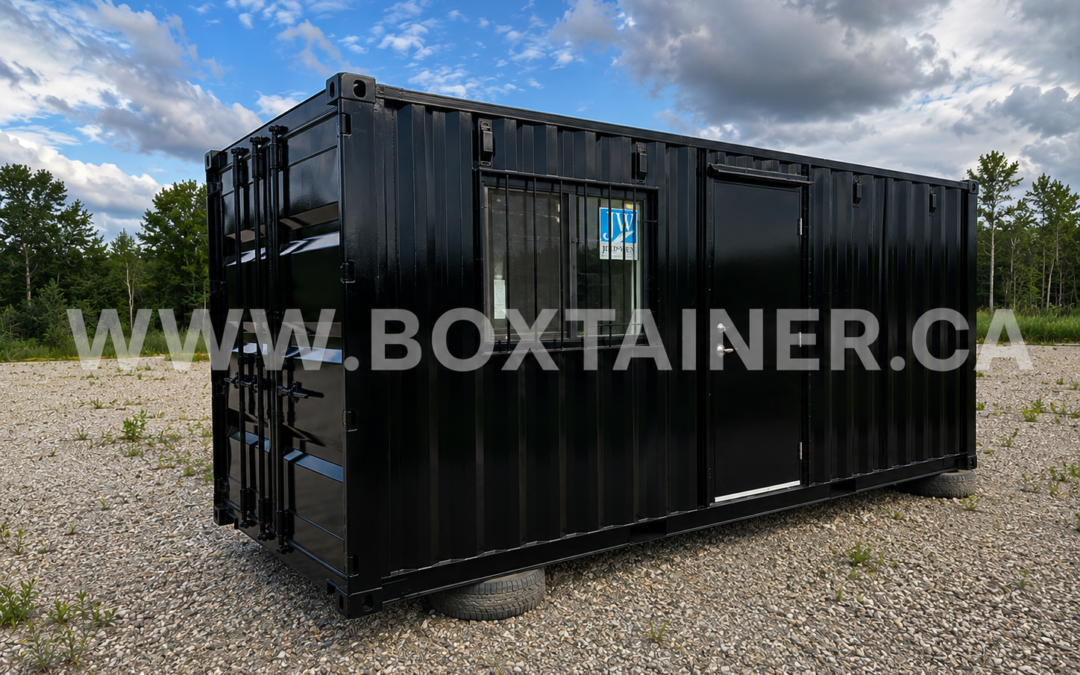
In the fast-paced world of modern retail, staying static can sometimes hold your business back. Whether you are launching a seasonal pop-up, testing a new brand concept, or bringing your products directly to local festivals, physical agility is key. That is where shipping container conversions come in.
Transforming heavy-duty steel cargo boxes into stylish, secure, and fully transportable shops has become one of the hottest trends in commercial design. If you are looking to build a unique storefront, choosing a steel container can give your brand an industrial, eco-friendly edge while keeping overhead costs manageable.
Why Choose a Shipping Container for Retail?
Traditional brick-and-mortar storefronts require long-term leases, high utilities, and expensive renovations. A mobile shipping container retail store bypasses those hurdles:
- Mobility: Go where your customers are. Your shop can easily be transported to community markets, seasonal events, or high-traffic plazas.
- Durability: Made of industrial-grade Corten steel, these units are highly secure and weather-resistant.
- Eco-Friendly: Reusing a container drastically reduces construction waste and carbon footprint compared to standard building projects.
- Eye-Catching Aesthetics: Modern consumers love experimental and industrial designs. The bold lines of a customized container act as a natural billboard.
4 Steps to Build Your Container Store
1. Define Your Scope and Budget
First, determine whether you need a permanent business hub or a temporary pop-up. If you want to experiment without a heavy upfront financial commitment, renting shipping containers is a highly flexible option. Renting allows you to test out the retail container trend, trial different locations, and scale up as your revenue grows.
Conversely, if you plan to fully modify the structure with custom doors, windows, insulation, and built-in shelving, searching for shipping containers for sale is the ideal route. Purchasing gives you total creative control to weld, cut, and paint without any lease restrictions.
2. Design the Layout
A standard 20-foot or 40-foot container offers a surprisingly versatile floor plan.
- For a 20-foot unit: Focus on a single checkout counter, minimalist wall shelving, and wide glass doors to make the space feel open and inviting.
- For a 40-foot unit: You have enough room to install changing rooms, a small back-office/storage partition, or interactive display tables.
3. Plan the Modifications
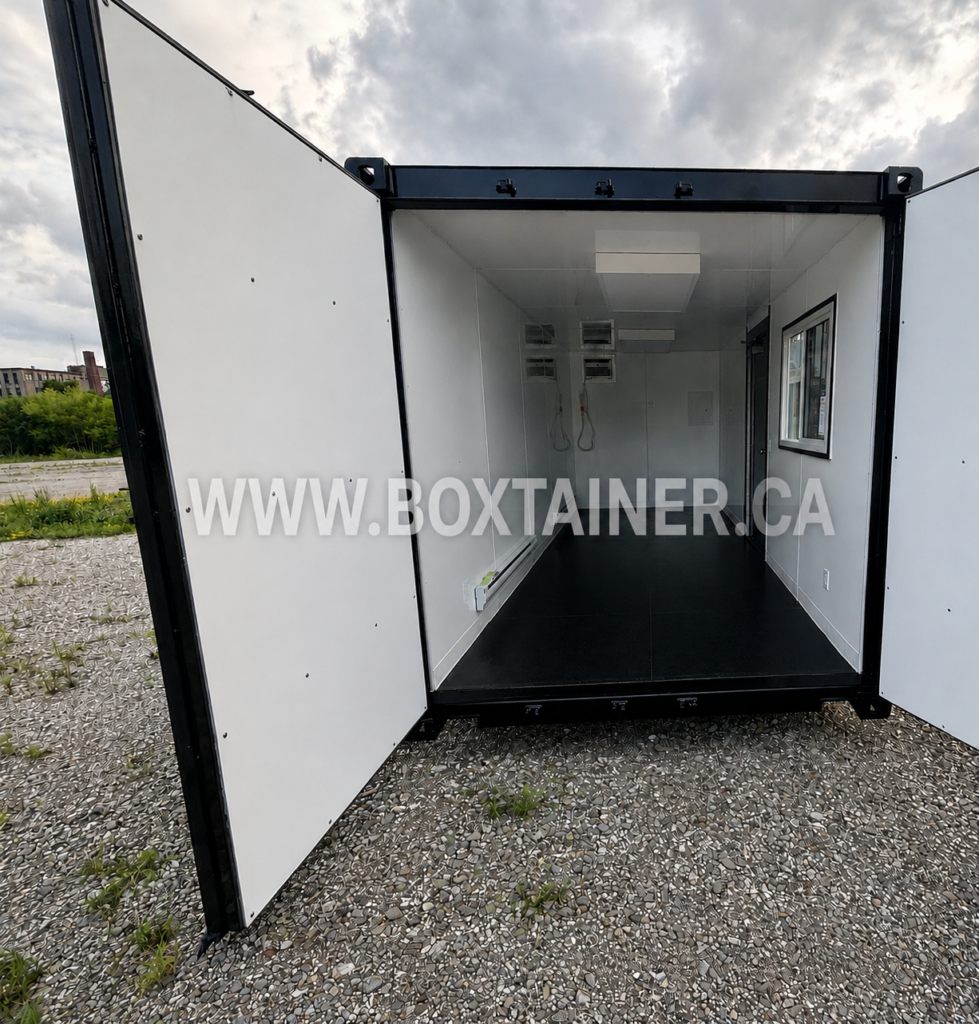
To make your container a comfortable place for shoppers, you will need to add:
- Climatization: Proper insulation, heating, and air conditioning to keep visitors comfortable in both freezing winters and humid summers.
- Lighting and Power: Track lighting, electrical outlets, and a reliable power connection for your point-of-sale (POS) systems.
- Accessibility: Wide-opening side panels or rolling glass sliding doors that invite foot traffic inside.
4. Partner with Local Experts
Building a container shop requires coordination with experienced logistics and delivery teams. You will need a reliable supplier who can inspect your unit, coordinate precise delivery to your site, and offer temporary off-site storage options. For local business owners, securing dependable Niagara storage and container staging solutions is crucial for keeping inventory safe during the build and transition phases.
Let’s Build Your Dream Shop
Ready to stand out from the crowd with a unique, mobile storefront? At Boxtainer, we have spent over a decade helping businesses across Ontario bring their projects to life with high-quality container solutions. Whether you need a simple rental for your next event or a rugged, premium container to customize and call your own, we are here to make the process seamless with expert advice and reliable local delivery.