The Core Question Most Buyers Are Really Asking
When new and used shipping containers are being compared, the real question underneath it is usually: “Will this hold up, and is it worth the price difference?” Both are fair concerns. New containers cost more, sometimes significantly more, but they come without unknowns. Used containers are more affordable, though the condition can vary depending on how they were graded and where they came from. For businesses and property owners across Ontario looking at containers for sale, understanding what drives that price gap is, I suppose, a good place to start.
What “New” Actually Means in the Container World
A new shipping container, sometimes called “one-trip,” has typically made a single journey from the manufacturer, often in Asia, to North America. It arrives in near-perfect condition; no prior cargo history has been accumulated, and surface wear is minimal. The flooring is clean, the doors seal properly, and no meaningful corrosion is found in the steel. That matters if you’re planning a long-term installation or a custom build where the starting condition affects the finished result. New containers are also easier to inspect because there’s nothing to second-guess. What you see is what you get.
What “Used” Actually Covers, and Why It’s Not One Thing
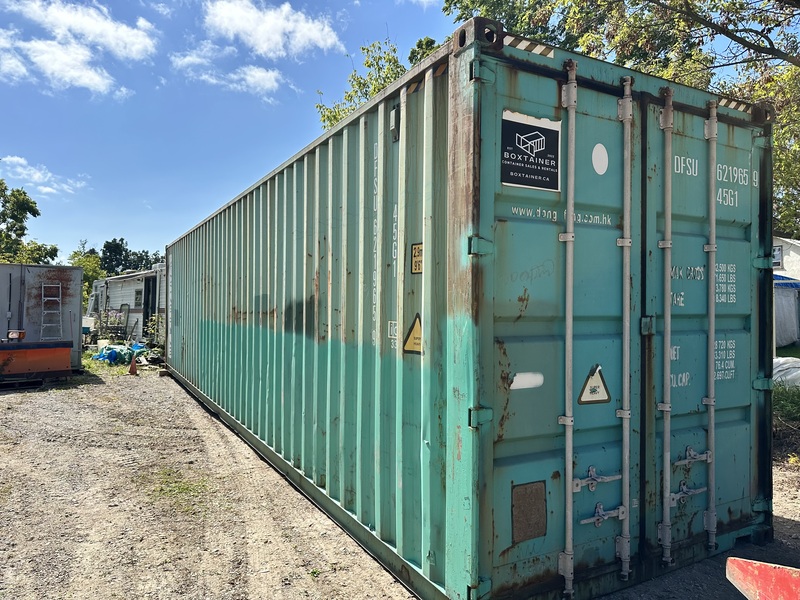
Used containers for sale aren’t all the same. Some have made two or three ocean crossings; others have been sitting in a port yard for years. The condition grading system exists precisely because “used” covers a wide range. Cargo-worthy containers meet a defined inspection standard. Wind and watertight units are structurally sound but may show more cosmetic wear. Grade B or “as-is” containers are sold without guarantees and are better suited for parts or non-critical storage. In many cases, these distinctions aren’t realized by buyers until they’re already comparing quotes. Interesting how that works.
Durability Over Time: What the Steel Actually Does
Shipping containers are built from Corten steel, a material specifically designed to form a stable rust layer that protects the metal underneath. Over time, that surface oxidation actually slows further corrosion rather than accelerating it. Both new and used containers benefit from this. A used container that’s been properly maintained and kept off standing water can realistically last 20 to 25 years or more in Ontario’s climate, including through freeze-thaw cycles and heavy snow loads. The steel doesn’t care whether it’s been used before; it responds to how it’s maintained going forward.
Cost Differences and What They Mean in Practice
The price gap between new and used containers is real and worth taking seriously. A new 20-foot container might run 30 to 50 percent more than a comparable used unit in cargo-worthy condition. For a single purchase, that difference might be manageable. But for businesses buying multiple containers for sale, or for anyone working within a tighter budget, that gap adds up quickly. The savings from choosing a quality used container can be redirected toward delivery, site prep, or modifications. It’s not always about the cheapest option; it’s about the most useful one for the money. That sounds straightforward on paper, but the right balance takes, to be fair, a bit more thought than expected.
Customization: Does Starting Condition Matter?
One thing that often gets overlooked is how the starting condition of a container affects a custom build. If insulation is being added, windows are being cut in, electrical is being installed, or doors are being modified, the container’s prior use matters less than its structural integrity. Both new and used containers can be modified to the same degree. From what we’ve seen, buyers who are planning significant customization often find that a well-graded used container is the more practical starting point. The steel structure is identical; the savings just give more room to work with. Anyway, that’s usually where it clicks for most people.
Ontario-Specific Considerations Worth Knowing
Ontario’s climate puts containers through a real range of conditions, from humid summers to hard winters with significant freeze-thaw activity. That context matters when long-term durability is being evaluated. Containers stored on gravel or concrete pads tend to hold up better than those placed directly on soil, where moisture contact accelerates floor degradation. Niagara storage conditions, for example, involve proximity to lake humidity, which can affect surface rust rates on older units. Over time, proper site placement and basic annual maintenance, like checking door seals and repainting any exposed bare metal, go a long way regardless of whether the container is new or used.
Making the Right Call for Your Situation
The decision between new and used shipping containers comes down to a few honest questions: How long is it needed? What will be stored inside? What’s the budget, and how much does starting condition matter to the plans? For most long-term storage applications, a well-graded used container is a practical and cost-effective choice. For custom builds, sensitive storage, or situations where appearance matters, a new unit may be worth the premium. BOXTAINER works with Ontario businesses and individuals to match the right container to the right use case, with reliable delivery and real guidance along the way. Visit the BOXTAINER website to explore available options and get started.
FAQ
Q: How do I know if a used shipping container is actually in good condition?
Standardized grading terms are worth looking for. Containers described as “cargo-worthy” have been inspected and certified to carry freight, which means a baseline structural standard has been met. “Wind and watertight” is a step below that but still suitable for most storage applications. Rust spots on the exterior don’t always mean the floor or walls are compromised. Worth checking in person when possible.
Q – Does a new container really last longer than a used one?
Fair point, and the answer isn’t as obvious as you’d think. A new container starts with zero wear, but a used container that’s been well-maintained and properly graded can perform almost identically over a 20-year period. Both are built from Corten steel, which is designed to resist corrosion over time. The gap in lifespan, in many cases, is smaller than the gap in price. That still surprises people.
Q: Are used containers safe for storing sensitive goods or equipment?
Generally, yes, provided the container has been inspected and a history of carrying hazardous materials isn’t present. Some used containers were previously used to ship chemicals, and those should be avoided for food, equipment, or anything sensitive. A reputable supplier will be upfront about a container’s cargo history. Not always easy to verify on your own, though.
Q: Can I customize a used container the same way I would a new one?
Funny enough, most modifications, including adding doors, windows, insulation, or electrical, are applied to used containers just as often as new ones. The steel structure is the same. Some buyers in Ontario actually prefer starting with a used unit for custom builds because the lower upfront cost leaves more room in the budget for the modifications themselves.