When you think of shipping containers, standard industrial storage or long-haul ocean freight likely comes to mind. However, these sturdy steel boxes have evolved far beyond basic inventory protection. Thanks to their structural integrity, modular versatility, and weather resistance, shipping containers are being repurposed into stylish, functional, and eco-friendly structures for both personal and commercial use.
Whether you’re looking for temporary event space or a permanent architecture project, here are some of the most creative ways people and businesses are using shipping containers today.
1. Pop-Up Shops, Cafes, and Event Bars
Retailers and food entrepreneurs are turning to modified containers to build eye-catching storefronts without the overhead of traditional brick-and-mortar leases.
- Mobility: Container shops can easily move between seasonal markets, festivals, or temporary pop-up locations.
- Customization: Outfitted with drop-down side walls, glass display windows, and custom branding, a container instantly draws attention in high-foot-traffic areas.
2. Backyard Offices and Creative Studios
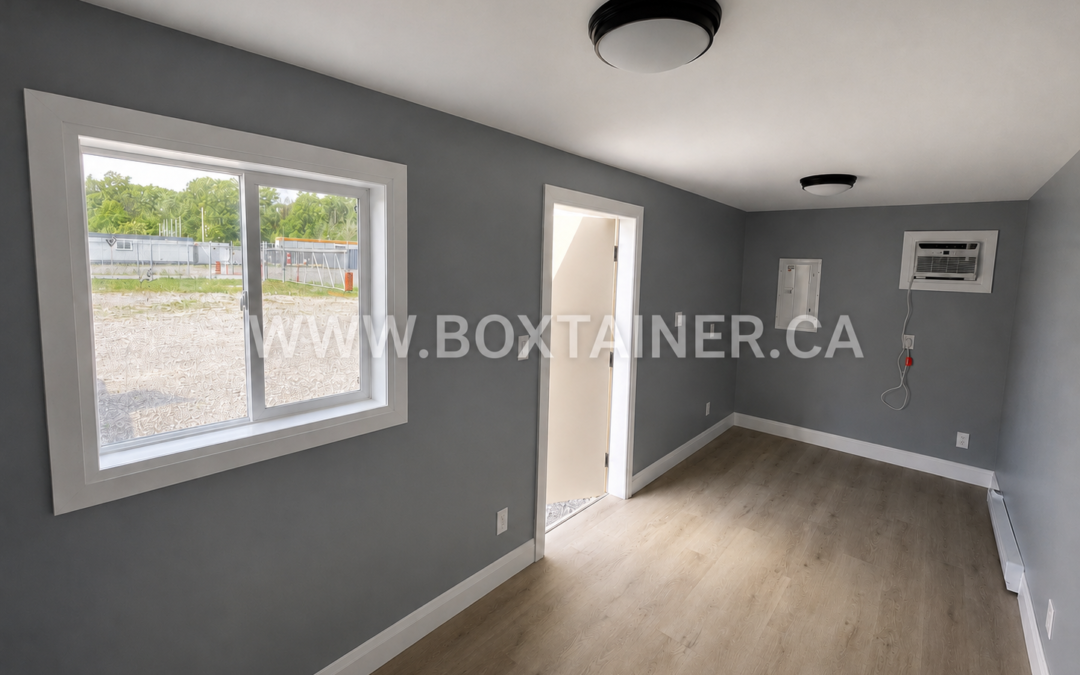
With remote work becoming a long-term norm, home offices are in high demand. A converted 10-foot or 20-foot container tucked into the backyard provides a dedicated workspace separated from household distractions.
- Rapid Installation: Unlike building a home extension from scratch, container modifications arrive largely prefabricated.
- Year-Round Comfort: Properly insulated and equipped with HVAC units, electricity, and large windows, these backyard pods double as art studios, home gyms, or music rooms.
3. Modern Homes, Cabins, and Guest Suites
Architects worldwide are using container architecture (often called cargotecture) to design sleek, modern living spaces.
- Modular Stacking: Single containers work as minimalist off-grid cabins, while multiple units can be stacked and linked to create multi-story luxury homes.
- Sustainability: Reusing steel containers reduces the environmental impact associated with traditional raw building materials.
4. Hydroponic Urban Farms and Greenhouses
Shipping containers offer controlled environments perfect for indoor agriculture.
- Precision Growing: By regulating light, temperature, humidity, and nutrients inside a insulated container, urban farmers can grow high-yield leafy greens year-round, regardless of local climate conditions.
- Space Efficiency: Vertical farming systems inside a standard 40-foot container can produce yields equivalent to multiple acres of traditional farmland.
Buy vs. Rent: Choosing the Right Container Strategy
When starting a container project, your first major decision is determining how you will source the unit. Depending on your timeframe and budget, your project may require different sourcing routes:
- When to Buy: If you plan on doing structural modifications—like cutting out doors, framing windows, or joining multiple units into a permanent structure—you will want to search for shipping containers for sale. Purchasing outright gives you total design freedom and long-term ownership of the asset.
- When to Rent: For short-term events, temporary site offices, seasonal retail pop-ups, or project-based operational setups, looking into containers for rent is often the most cost-effective option. Renting minimizes upfront capital expenditure while providing the flexibility to return or swap units when your project wraps up.
Bring Your Container Project to Life with Boxtainer™
From custom commercial modifications to reliable short-term site setups, shipping containers offer unlimited potential for creative building.
At Boxtainer™, we help businesses and individuals find the perfect unit for any vision. Whether you need modified shipping containers for sale to build your dream workspace or flexible containers for rent for your next event, our expert team is ready to guide you from selection to delivery.
Visit boxtainer.ca today to explore our container inventory and start building your next project!