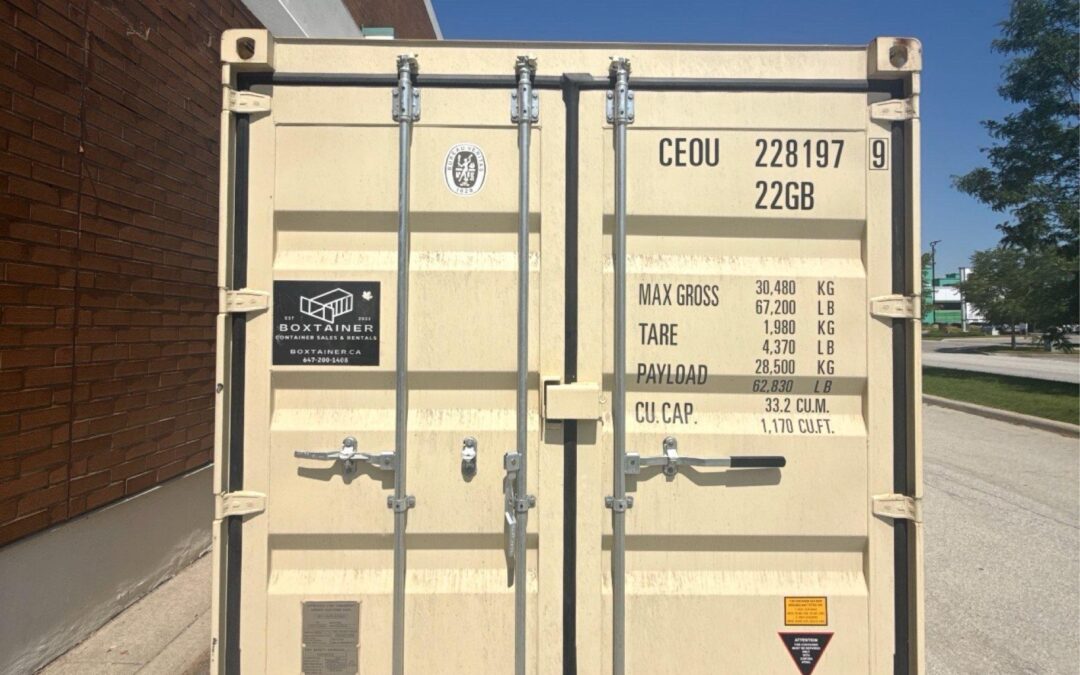
Shipping containers are built to withstand harsh ocean voyages, extreme weather, and heavy industrial use. However, whether you use your container for job-site storage, an outdoor workshop, or commercial inventory, regular maintenance is essential to maximize your investment and ensure long-term durability.
BOXTAINER specializes in New One Trip and Used Cargo Worthy containers, providing customers with clearly defined equipment condition grades. Whether you are exploring containers for sale to own long-term or looking into temporary containers for rent, implementing a proactive upkeep schedule will preserve structural integrity, prevent costly repairs, and keep your stored items safe from the elements.
1. Ensure a Level and Elevated Foundation
The most effective way to prevent structural decay begins before your container even arrives. Setting a shipping container directly on soil or soft ground traps moisture underneath, leading to underside corrosion and floor rot.
- Level the Ground: A tilted container puts uneven stress on the frame, causing the heavy steel doors to misalign and bind.
- Elevate Above Soil: Position your container on concrete pads, gravel beds, or treated wooden blocks (dunnage). Elevating the container allows airflow underneath, allowing moisture to evaporate quickly.
2. Treat Surface Rust Promptly
Although marine-grade Corten steel resists corrosion exceptionally well, scratches, scrapes, or dented paint will expose raw metal to oxygen and water, creating surface rust.
- Regular Visual Inspections: Check external corrugated walls, roof seams, and corner castings at least twice a year.
- Remediate Early: Wire-brush away loose rust flakes, apply a rust-inhibiting zinc primer, and repaint with high-grade marine exterior paint to seal the metal against further oxidation.
3. Maintain Door Hinge Mechanics and Weather Seals
Heavy-duty container doors are exposed to constant movement and outdoor conditions. Faulty door gaskets let wind-driven rain and snow compromise your cargo.
- Lubricate Door Components: Apply silicone spray or heavy grease to the door hinges, locking bars, and cam handles to ensure smooth operation.
- Inspect Rubber Gaskets: Clean dirt off the flexible rubber weather seals surrounding the doors. Replace any split, hardened, or torn gaskets promptly to keep the unit wind and watertight.
4. Clear Roof Debris and Water Accumulation
The roof is the most vulnerable surface of any steel container. Water accumulation combined with falling leaves or snow loads will accelerate wear if ignored.
- Prevent Standing Water: Ensure the roof remains clear of organic debris, twigs, and leaves that hold moisture against the metal.
- Clear Heavy Snow: In colder climates, brush off excessive heavy snowpacks to prevent dishing or warping on the roof panel.
5. Control Internal Moisture and Humidity
Condensation—often called “container rain”—occurs when ambient temperature shifts cause moisture in the air to collect on the cold steel ceiling and walls.
- Ensure Ventilation: Verify that factory air vents are clean and unblocked. Consider installing added louvers or solar vents for high-humidity locations.
- Use Moisture Absorbers: Place desiccant bags or dehumidifiers inside the unit, especially when storing moisture-sensitive materials or moisture-emitting timber.
High-Quality Containers You Can Rely On
Partnering with a trusted supplier ensures your container starts off in optimal condition. BOXTAINER specializes in New One-Trip and Used Cargo-Worthy containers, providing customers with clearly defined equipment condition grades.
Whether you need permanent storage solutions through our premium selection of containers for sale or flexible, short-term flexibility with our affordable containers for rent, Boxtainer delivers quality equipment backed by transparent grading and service. Explore our lineup today to find the right container for your site!