What Makes Shipping Containers So Durable in the First Place
Shipping containers were engineered for one of the harshest environments in logistics: the open ocean. They’re built from Corten steel, a material that forms a stable oxidized layer on the surface rather than corroding through, and that property is what makes them hold up so well in outdoor storage applications. The corrugated wall design adds structural rigidity without adding excessive weight. Many containers entering the secondary market remain structurally sound and suitable for years of reliable storage, depending on their overall condition and previous service history. The bones are still good; the steel, in a way, just gets reassigned.
What Does Used Cargo Worthy (CW) Mean?
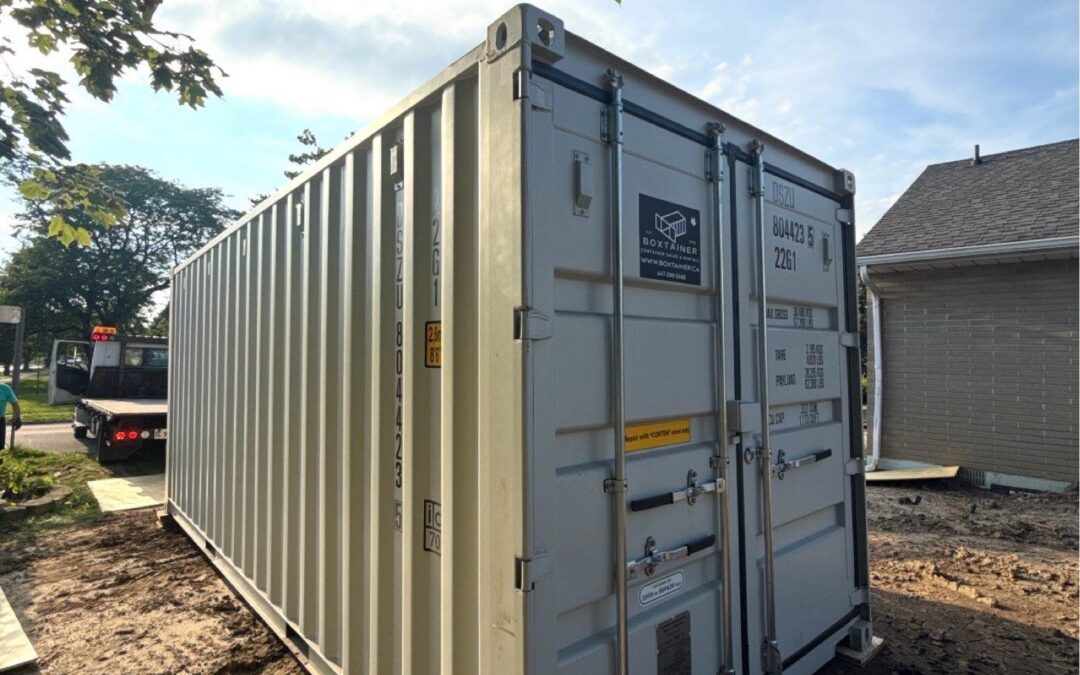
A Used Cargo Worthy (CW) container is structurally sound, wind and watertight, and suitable for continued international cargo transport or secure ground-level storage. As used equipment, buyers should expect normal cosmetic wear, including minor dents, scratches, faded paint, surface rust, and visible previous repairs or patches. These cosmetic imperfections do not compromise the structural integrity or weathertightness of the unit.
Common Business Uses Across Ontario
Businesses across Ontario have been putting shipping containers to work in a wide range of applications, and the variety is broader than most people assume. Construction companies keep tools and materials on-site in locked containers. Retailers use them for seasonal overflow inventory. Farms in the Niagara region rely on them for equipment and supply storage between seasons, and some businesses have converted containers into small offices or workspaces. The flexibility is part of the appeal. A container can be placed, used, and relocated without permanent infrastructure being required. That adaptability is something a lot of buyers don’t fully appreciate until they’ve had one on-site for a season or two. Important to consider when evaluating your needs.
What to Inspect Before Accepting a Used Container
Key components should be checked to ensure functionality upon delivery. The doors need to open, close, and seal properly without forcing. The floor should be examined for soft spots, since wooden container floors can degrade over time if moisture has been an issue. While surface rust, scuffs, and minor dents are normal for used equipment, deep structural rust that eats through the steel is a concern. Depending on inventory availability and depot location, in-person selection prior to delivery may not always be available, so reviewing photos or detailed condition specifications ahead of time is recommended.
Renting vs. Buying: How to Think About It
The decision between containers for rent and containers for sale comes down to duration and budget, and neither option is universally better. Renting works well for project-based needs, temporary site storage, or situations where the requirement might shift over time. Buying makes more sense when the need is ongoing, and the location is stable. Over time, monthly rental costs add up, and ownership often becomes the more economical path. That said, renting significantly reduces upfront capital expenditure and provides maximum flexibility for temporary or seasonal needs, which matters for many operations. For Ontario businesses with shifting storage requirements, a rental arrangement can be the most practical fit. I suppose it really comes down to how long “temporary” ends up being.
How Ontario’s Climate Factors In
Ontario winters are worth thinking about when it comes to container storage, though the Corten steel structure handles cold temperatures well. Condensation inside the container during seasonal temperature changes is best managed through adequate internal ventilation, desiccant packs, or climate control. Proper placement, levelling, and elevating or blocking the container off the ground primarily serve to ensure proper door operation, adequate ground drainage, and protection against moisture accumulation underneath the unit, rather than directly managing interior airflow.
How Long Can You Expect a Used Container to Last
The actual lifespan of a used container depends on several factors, including its age, intensity of previous ocean service, localized climate, site placement, and ongoing maintenance. The demands of static ground-level storage are far less severe than ocean shipping. With simple maintenance—such as keeping door hinges lubricated, treating surface rust early, and maintaining solid foundation support—a container can serve reliably for many years. In many cases, components like door seals or floor sections can be repaired or maintained as needed to extend serviceability.
Finding the Right Container for Your Needs in Ontario
Getting the right container starts with knowing what it’s needed for, how long it’s needed, and where it’s going. Headquartered in Niagara Falls, Ontario, BOXTAINER Inc. provides shipping container sales and rentals to commercial, industrial, construction, and residential customers throughout Ontario. Whether you need New One Trip containers or budget-friendly Used Cargo Worthy (CW) units, delivery, condition, and fit are handled directly. If options for storage or a business application are being weighed, visit the website to explore available containers for sale and rent across Ontario.
FAQ
Q: What does “used” actually mean when it comes to shipping containers?
A container labelled “used” or “cargo-worthy” has completed one or more international shipping cycles. It’s been inspected and is considered structurally sound. That said, surface rust, minor dents, or scuffs from normal handling may be present. Cosmetic wear. Not a structural problem in most cases.
Q – What should I expect when looking at container condition and grades?
Used containers, often designated as Cargo Worthy, are structurally sound and fit for storage or transport, but as used equipment, they will feature cosmetic wear such as minor dents, scratches, surface rust, and previous repairs. Focus on structural integrity and weathertightness for reliable storage.
Q: Can a used container handle Ontario winters?
Look, this comes up a lot, and the answer is yes, with some caveats. Corten steel handles freeze-thaw cycles well. Condensation inside the container can be a concern if ventilation isn’t managed, especially during temperature swings. Proper placement and, where needed, added venting are usually enough to address it. That still surprises people.
Q: Is renting a used container a better option than buying for short-term needs?
Containers for rent make sense when the need is temporary or when upfront cost is a factor. Access to a functional, maintained unit is gained without the long-term commitment. For ongoing or permanent storage, buying tends to be more cost-effective over time. Depends on the situation, really.