
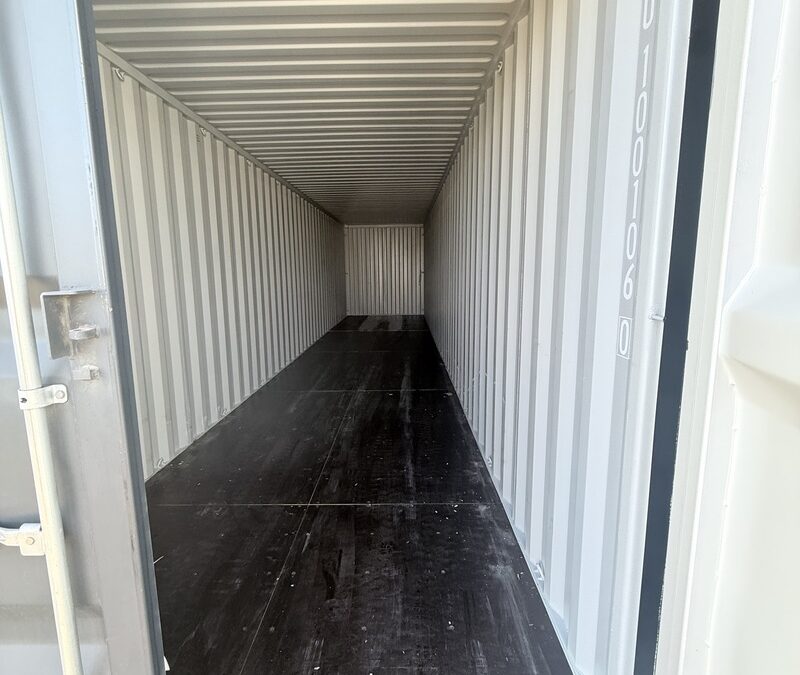
Canadian winters bring freezing temperatures, heavy snowfall, and harsh moisture cycles that can test any steel structure. While shipping containers are built for extreme durability, winterizing your unit helps keep your contents safe, dry, and protected until spring.
At BOXTAINER, we help businesses, contractors, and property owners find the right equipment to withstand Canada’s tough seasons. BOXTAINER specializes in New One-Trip and Used Cargo-Worthy containers, providing customers with clearly defined equipment condition grades. Whether you already own a unit or are evaluating containers for sale or rent, proper seasonal prep is essential to maximizing your investment.
Here is your step-by-step guide to winterizing your storage container.
1. Inspect and Maintain Door Seals and Gaskets
The rubber door gaskets on a shipping container form the primary barrier against driving rain, snow, and ice.
- Inspect for wear: Examine rubber seals for cracks, tears, or brittleness.
- Clean and lubricate: Remove dirt and treat gaskets with a silicone-based lubricant to prevent ice from freeze-bonding the rubber to the door frame.
- Grease door hinges: Coat locking bars, door handles, and hinges with heavy-duty grease so the mechanism operates smoothly during freezing spells.
2. Elevate and Level the Foundation
Direct contact between cold ground and steel causes heat loss and can trap freezing moisture beneath the wooden floorboards.
- Clear the base: Ensure the container rests on concrete blocks, railroad ties, or a gravel bed, not bare soil.
- Prevent door binding: Ice heave can shift uneven ground, twist the container frame, and jam the doors. Check that your container is completely level before the ground freezes.
3. Manage Interior Moisture and Ventilation
Temperature drops cause internal air to condense on cold metal walls and ceilings—a phenomenon often called “container rain”.
- Check airflow: Keep passive air vents clear of ice, snow, or debris buildup.
- Use desiccant packs: Place commercial moisture absorbers (such as calcium chloride tubs) inside to absorb ambient humidity.
- Avoid storing wet items: Never stow wet lumber, damp equipment, or snow-covered machinery inside a sealed container.
4. Protect Against Roof Loads and Exterior Rust
Snow accumulation adds significant weight to the roof, while pooled water leads to surface corrosion over time.
- Touch up paint: Before freezing weather sets in, sand down any exposed surface rust and apply a coat of rust-inhibiting exterior paint.
- Clear snow build-up: After heavy snowfalls, sweep or shovel excess snow off the flat roof area to prevent structural stress and water pooling during thaws.
Choosing the Right Winter-Ready Container
Selecting a container built to handle freezing environments eliminates maintenance headaches.
| Grade Type | Key Characteristics | Winter Suitability |
| New (One-Trip) | Single-journey units with factory paint, pristine gaskets, and spotless floors. | Highest Protection – Superior weather resistance and airtight sealing. |
| Cargo-Worthy (CW) | Structurally sound used units certified for sea freight, wind, and water resistance. | Reliable & Economical – Solid protection against snow, wind, and rain. |
BOXTAINER specializes in New One-Trip and Used Cargo-Worthy containers, providing customers with clearly defined equipment condition grades. When exploring containers for sale for long-term placement or containers for rent for seasonal projects, understanding condition grades guarantees you receive a weather-ready unit built for winter demands.
Get Winter-Ready Storage Solutions with Boxtainer
Proper winterization preserves your equipment and keeps your inventory dry, no matter what the forecast holds.
Whether you need a heavy-duty container delivered to your site or are looking to browse high-grade inventory, Boxtainer provides secure, weatherproof solutions across Canada. Explore our available containers for sale and flexible containers for rent at boxtainer.ca to find your storage solution today.