
Getting an Accurate Quote Starts the Process
Most rentals are kicked off with a quote request, and that’s where size and duration get sorted out. A landscaping company in Hamilton, for instance, might need a 20′ unit for six months to store equipment during a seasonal push. Pricing in Ontario tends to fall within a broad market range depending on size, term, and delivery distance; these figures are general averages, not fixed numbers, until confirmed. Container type is walked through by Boxtainer, New One Trip or Used Cargo Worthy, along with term length, before anything is locked in. That conversation usually clears up more than people expect, honestly.
Confirming Container Type and Size
Shipping containers for rent come in a few standard configurations, and 40′ High Cube units are commonly chosen by businesses needing extra height. The choice often depends on what’s being stored and how much floor space is actually needed. A renovation contractor in Niagara might only need a 20′ unit, while a retailer managing seasonal inventory could lean toward the larger option. Condition terms matter here too; grading systems used by some providers are skipped by Boxtainer, since those tiers tend to create more confusion than clarity. New One Trip and Used Cargo Worthy classifications are used instead, strictly.
Scheduling Delivery and Site Access
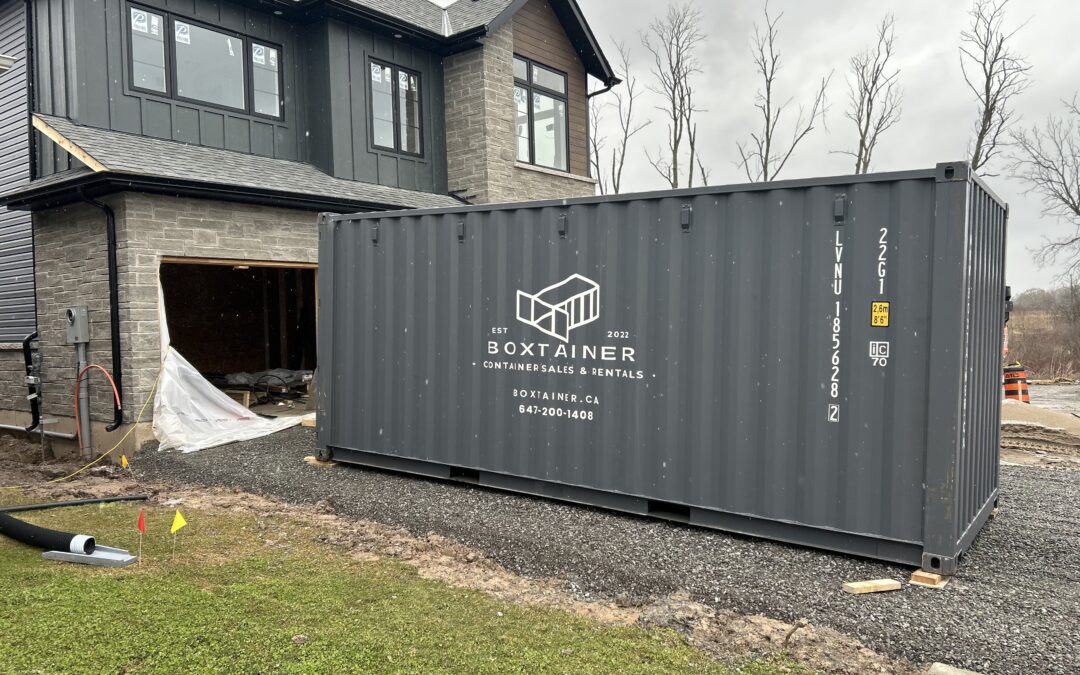
Delivery day depends heavily on site access, and this part gets overlooked fairly often. A 20′ container generally needs 70 to 80 feet of straight clearance, while a 40′ Landoll delivery needs closer to 120 to 130 feet, plus enough room to turn at the entrance. Tight driveways or low-hanging branches can turn a routine drop-off into a longer job. In most cases, the delivery team’s approach is helped along by a quick site photo or description shared ahead of time. That sounds simple on paper, but it’s usually where the first-time renter’s plan either holds up, or falls apart.
Preparing the Site Before the Container Arrives
The ground matters as much as the clearance does. A firm, level surface is needed; asphalt, concrete, or compacted crushed stone all work well. Blocking is used afterward so the unit can be leveled and drainage and door alignment kept correct. This is separate from ventilation, which addresses moisture buildup inside the container itself. A business in Niagara storing seasonal stock, for example, would want both handled properly. Otherwise, door swelling or uneven flooring can set in, over time.
Understanding the Billing Structure
Rental billing in Ontario is typically done once per calendar month, which comes out to 12 billing cycles a year rather than the 13 cycles produced by a 28-day cycle. Delivery and pickup are charged separately from the monthly rate, and this tends to surprise renters who expect one all-in number upfront. Costs vary by size, term, and transport distance, so a fixed rent-versus-buy formula doesn’t really hold up across different situations. It’s worth asking directly how the numbers break down before anything gets signed, to be fair.
Using the Container During the Rental Term
Once delivered, the container is ready for storage, whether that’s construction materials, retail overflow, or temporary office contents. Rental options tend to fit short-term needs tied to construction phases, renovations, or seasonal inventory swings well, since a long-term purchase commitment gets avoided this way. A contractor working a multi-month project in the Niagara region, for instance, can rent for the build’s duration and return the unit once the job wraps. This kind of flexible turnaround, across the wider Ontario market and not just locally, is supported by Boxtainer’s Niagara Falls yard.
Scheduling Pickup at the End of the Term
When the rental period ends, pickup gets scheduled much like delivery did, with the same clearance and access requirements applying in reverse. It helps if the container is confirmed empty and accessible a day or two ahead. Pickup is billed separately from the monthly rental, consistent with how delivery was handled at the start. Extra days tacked onto the rental tend to be avoided when this step is planned early. Probably enough said there.
Getting Started With a Rental Quote
Renting a container in Ontario works best when the details are sorted early: size, term, site access, and condition expectations. New One Trip and Used Cargo Worthy inventory is handled by Boxtainer’s team with straightforward terms and clear delivery logistics, backed by its Niagara Falls base. For businesses weighing containers for rent against a purchase, a direct conversation usually clears up the right fit faster than guessing does. Visit Website to start a quote and get the specifics for your site.
FAQ
How long does it take to get a shipping container delivered after requesting a quote?
Timing depends on container availability and how far the site sits from the yard. In most cases, once a quote is confirmed, delivery can be scheduled within a few business days. Site readiness tends to be the bigger variable, more so than transport itself.
Can I choose the exact container I’m renting before it arrives?
Not usually. Containers are sourced from depot or yard inventory depending on location and availability, so a specific unit can’t be hand-selected or guaranteed in advance. What is guaranteed is the condition category agreed on at quote, whether that’s New One Trip or Used Cargo Worthy.
What’s the difference between Cargo Worthy and Wind and Watertight containers?
Cargo Worthy means the container has been found structurally sound and suitable for cargo use, though normal cosmetic wear, like surface rust, small dents, or minor repairs, should be expected. Wind and Watertight containers meet a lower standard; these are generally fine for dry storage but not necessarily cargo-rated. Boxtainer’s rental and sale inventory is limited to New One Trip and Used Cargo Worthy units.
Does the site need any special preparation before a container is dropped off?
Yes. A firm, level surface is needed, typically asphalt, concrete, or compacted crushed stone. Blocking is also used so the unit can be leveled and the doors kept aligned properly; a separate matter from internal ventilation or moisture control inside the box.