
Why the Terminology Gets Muddled
Four or five different names get applied to what is often one product, and that’s what people run into when searching for storage options in Ontario. “Shipping container,” “sea can,” and “storage container” are used almost interchangeably online; this isn’t exactly wrong, it’s just imprecise. A contractor in Niagara might call it a sea can out of habit, while the same unit gets listed as a storage container on a classifieds site. The confusion isn’t really about the steel box, not really. What people plan to do with it is usually where the real distinction lies.
What a Shipping Container Actually Is
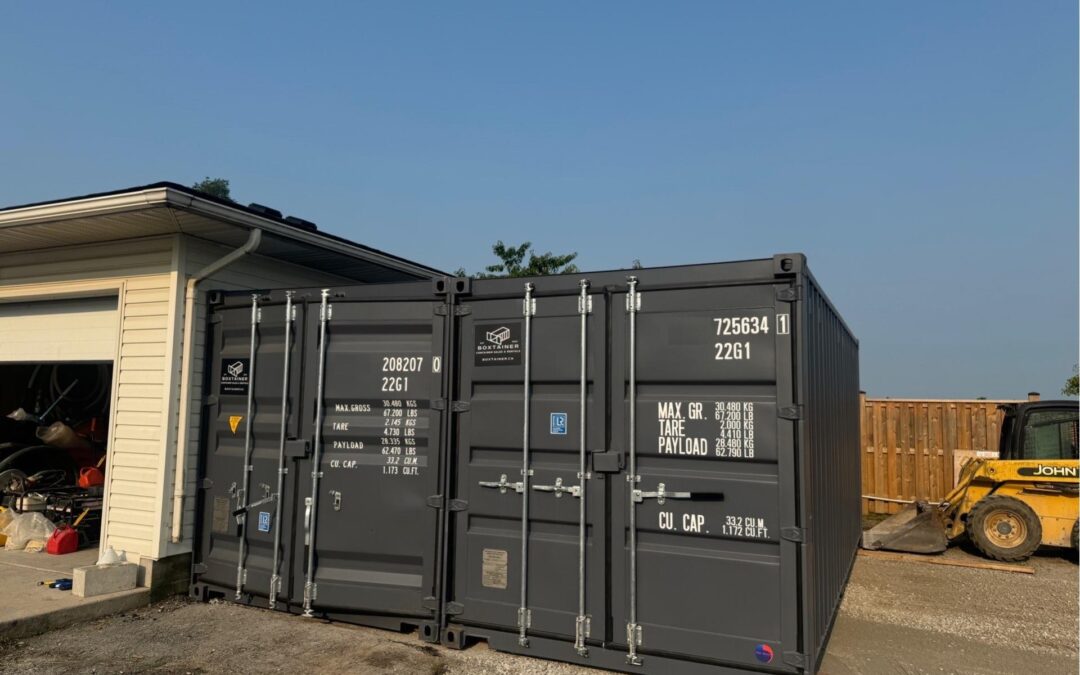
Built to move cargo across oceans on massive vessels, a shipping container is a steel freight unit at its core. Once that life ends, or sometimes after just one trip, these units get resold for storage, construction site use, or conversion projects. Two tiers are carried by Boxtainer: New One Trip, meaning the container made a single overseas journey and sits in near-new shape, and Used Cargo Worthy (CW), which is structurally solid but shows expected wear, scratches, surface rust, the occasional dent. Both hold up well against Ontario weather, generally speaking.
Sea Can Is Just a Regional Nickname
No technical distinction exists here, and that surprises some first-time buyers, to be fair. “Sea can” is simply Canadian shorthand, used heavily in construction and farming circles, for the unit described above. A sea can quote might get requested by someone in Niagara Falls; a shipping container quote gets requested two towns over. Same product, different phrasing. One of those regional quirks, really, that doesn’t affect the buying decision much at all.
Where Pods Fit Into the Picture
Pods are built differently, mostly from wood-composite or vinyl panels rather than welded steel. Portability is the whole point, short-term moving projects, staged renovations, not years of outdoor storage. A pod dropped in a driveway for a kitchen remodel makes sense. Left outside through a Niagara winter for two years, less so. Steel containers, by contrast, are engineered for exactly that kind of exposure; it’s part of why the steel side of the market is where Boxtainer focuses.
Delivery and Site Readiness Matter More Than People Expect
Backing up a truck isn’t really all that’s involved in getting a container placed. Roughly 70-80 ft of straight clearance is needed for a 20′ delivery, while a 40′ unit delivered by Landoll trailer needs closer to 120-130 ft, plus enough room to turn near the entrance. The surface matters too, quite a bit. Firm, level ground, asphalt, concrete, or compacted crushed stone, is recommended by Boxtainer, so the unit sits properly and doors align without strain over time.
Ventilation and Elevation Aren’t the Same Thing
This one trips people up fairly often. Airflow and moisture control inside the container, which affects condensation and what’s being stored, is what ventilation refers to. Elevation, or blocking, is about physically raising the container for leveling, drainage, and proper door swing. Different problems are solved by each, and treating them as one step tends to lead to avoidable headaches, bit by bit, down the line. Probably enough said on that.
Pricing Varies More Than a Quick Search Suggests
A wide range is spanned by Ontario pricing for containers, generally depending on size, condition, and whether a unit is new or used. Broad market averages across the province are reflected in these figures, not fixed Boxtainer quotes, since actual pricing depends on current inventory and site specifics. That sounds straightforward on paper, but site access and timing shift things more than expected, sometimes quite a bit more. Rentals are billed once monthly, 12 cycles a year, with delivery and pickup charged as separate line items rather than bundled into the rate.
Boxtainer’s Niagara Advantage, and What to Do Next
A Niagara Falls headquarters with a local yard is run by Boxtainer, which means Ontario customers, from Niagara-based contractors to businesses further out, get dependable access to containers for sale and containers for rent without the delays that come with distant depots. Whether the need is seasonal inventory storage, a construction site box, or a semi-permanent storage container, picking the right option starts with understanding what each term actually means. From here, the next step is fairly straightforward. Visit our website to see current Ontario availability and talk through what fits the project.
FAQ
Q: Is a sea can the same thing as a shipping container?
Yes, essentially. “Sea can” is a regional term, used across Ontario and the rest of Canada, for the same corrugated steel container used in ocean freight. The naming shift happens mostly in casual conversation; the product itself hasn’t changed, really.
Q: What’s the difference between a storage container and a pod?
A storage container is typically a full steel shipping container, repurposed for secure, long-term storage on a property. A pod, however, is a lighter, often wood-and-vinyl hybrid unit designed for short moves and temporary access, and it generally isn’t built for years of outdoor exposure. The structural difference tends to matter more than most people expect going in.
Q: Does Boxtainer sell new containers or only used ones?
New One Trip containers and Used Cargo Worthy (CW) containers are both offered by Boxtainer, including 40′ High Cube sizes. Used Cargo Worthy means the unit is structurally sound and suitable for cargo use, though normal cosmetic wear, surface rust, dents, minor repairs, should be expected. Grading systems like A/B/C aren’t used here.
Q: Can I pick the exact container I want before delivery?
Not quite, no. Hand-selecting a specific unit can’t be guaranteed, since availability depends on depot and current inventory location. What can be guaranteed is the condition category: New One Trip, Used CW, or occasionally AS IS, depending on what’s ordered.
Q: How is container rental billed?
Rentals are billed once per calendar month, which works out to 12 billing cycles a year rather than 13. Delivery and pickup are charged as separate fees, not folded into the monthly rate. For budgeting purposes, this structure tends to read clearer than a 28-day cycle.