
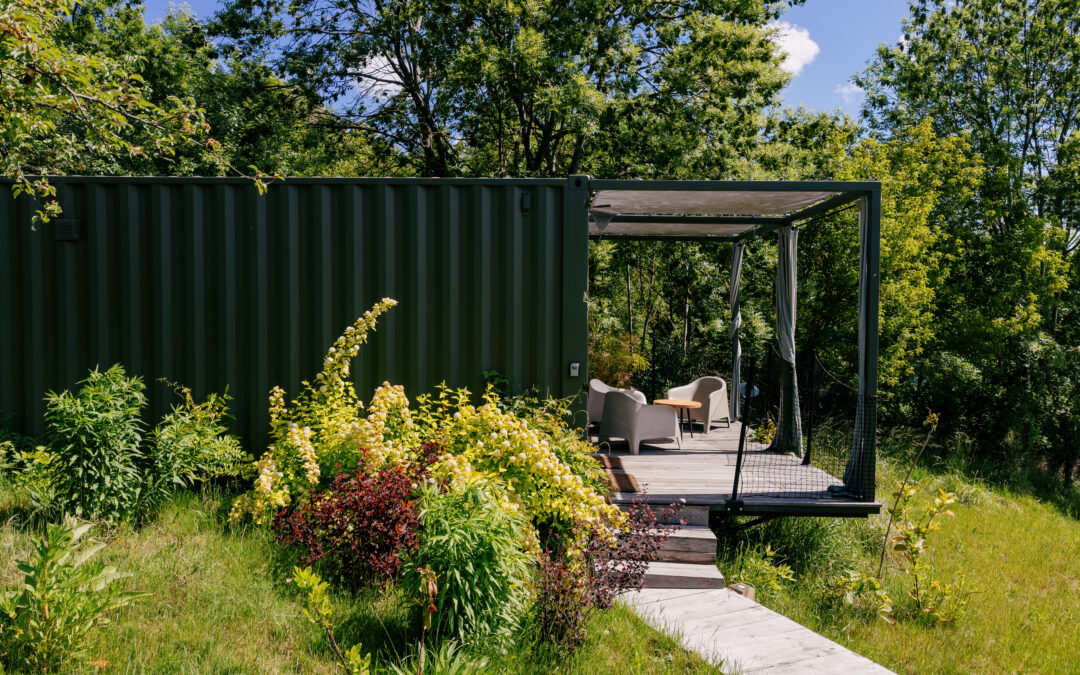
The dream of modular, sustainable, and affordable living has led many Ontarians to look toward a unique architectural solution: the shipping container. As the traditional housing market presents increasing challenges, the search for a shipping container for sale in Ontario has spiked. But before you pick out your floor plan and purchase your steel box, there is a critical question to answer: Are shipping container homes actually legal in Ontario?
The short answer is yes, but with several layers of “if.” In Ontario, building a container home is not as simple as dropping a box on a lot. It requires navigating a complex landscape of building codes, municipal bylaws, and structural engineering requirements.
The Ontario Building Code (OBC)
In Ontario, every residential structure—regardless of its material—must comply with the Ontario Building Code (OBC). The code does not explicitly forbid shipping containers, but it mandates that any “alternative” construction material meet the same safety, structural, and thermal standards as those required for a traditional wood-frame house.
When you browse containers for sale, you are essentially looking at raw materials. To make them legal dwellings, they must be modified to include proper insulation, ventilation, and structural reinforcement at the locations where doors and windows are cut. The OBC ensures that your home is safe to inhabit, fire-resistant, and structurally sound.
Zoning Bylaws and Municipal Approval
Even if your design meets the provincial building code, your local municipality has the final say. Zoning bylaws vary significantly between cities like Toronto or Ottawa and other townships like Niagara Falls. Some areas may have minimum square footage requirements or aesthetic guidelines that a single 20-foot container might not meet.
Before investing in a shipping container for sale in Ontario, it is vital to consult with your local planning department. Some municipalities view container homes as “temporary structures,” which can limit where you are allowed to build them permanently.
Structural Integrity and Engineering
One of the biggest hurdles to the legality of container homes is structural certification. Shipping containers are designed to hold incredible weight on their four corner posts. However, when you start cutting out large sections for windows or joining multiple units, the structural integrity changes.
Most Ontario municipalities will require a stamped drawing from a licensed structural engineer. This document proves that the modifications made to the steel units do not compromise the safety of the residents, especially under the weight of heavy Canadian snow loads.
Winter Living and Insulation Standards
Ontario winters are notoriously harsh, and steel is an excellent conductor of cold. To meet legal occupancy standards, container homes must be heavily insulated. While many people use containers for simple spring cleaning and storage solutions, living in one is a different story.
To satisfy the OBC, you will likely need high-performance spray foam insulation or external rigid insulation. This prevents condensation (which can lead to mould) and helps ensure the home remains energy-efficient during the February deep freeze.
How to Get Started
If you are ready to make the leap into container living, the process begins with sourcing high-quality, “one-trip” units that haven’t been compromised by years of heavy sea salt exposure or chemical transport. Finding the right containers for sale is the first step toward building a compliant and durable home.
Is It Worth It?
Building a shipping container home in Ontario is a legal and viable path, provided you do the legwork. By securing the right permits, working with experienced engineers, and sourcing your materials from a trusted supplier, you can create a modern, eco-friendly residence that stands out from the crowd.
Ready to start your journey? Visit Boxtainer today to find the perfect shipping container for sale in Ontario and turn your architectural vision into a reality.