by Boxtainer | Sep 24, 2026 | Shipping Container
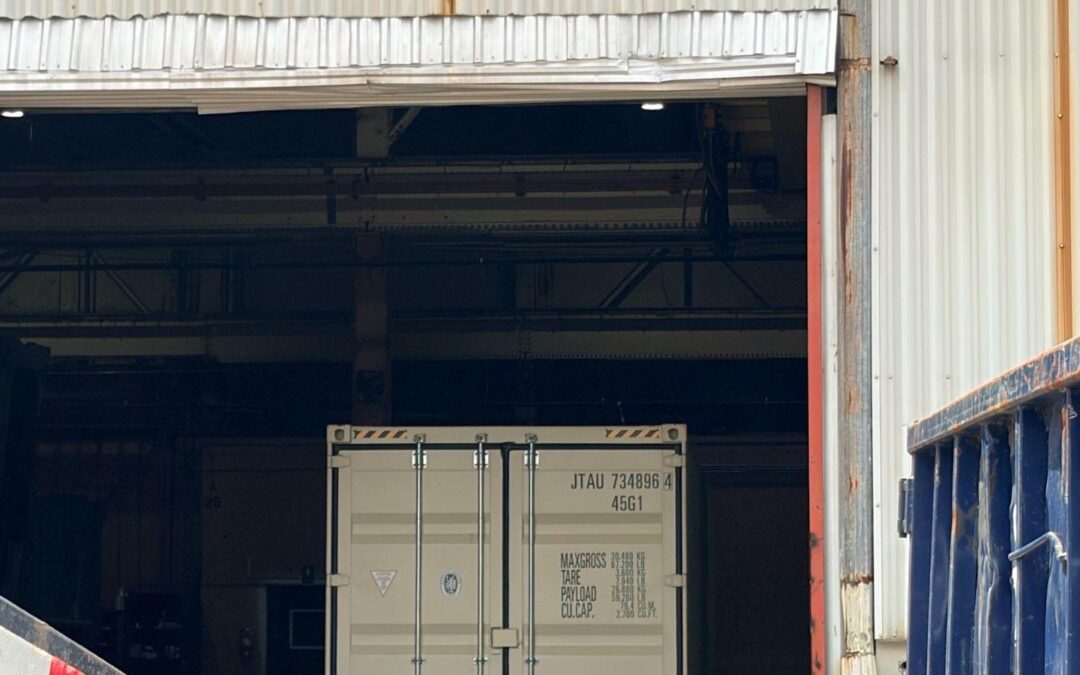
Storage Space in Niagara: A Practical Problem With a Practical Answer As commercial, industrial, and residential growth expands across the Niagara region, ground-level space requirements increase. Boxtainer serves Niagara and surrounding Ontario markets directly from...
by Boxtainer | Sep 24, 2026 | Shipping Container
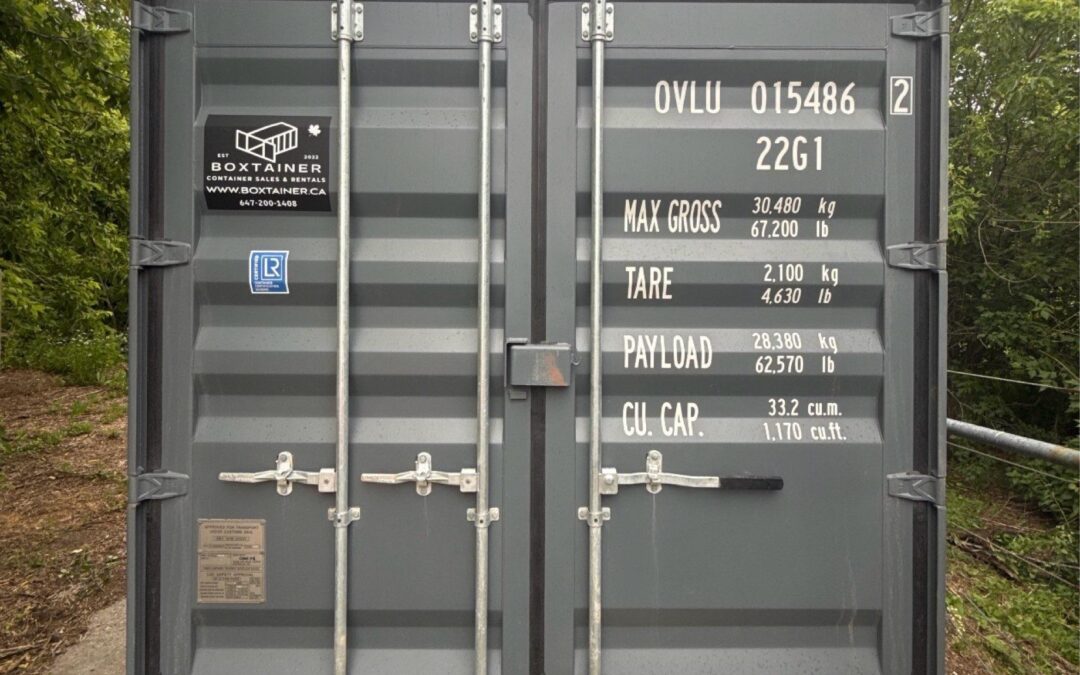
Why “Cheapest” Rarely Means “Best Value” It’s a common starting point. Someone searches for containers for sale in Ontario, finds the lowest price, and figures the decision is made. But once freight, site prep, and any repairs are added...
by Boxtainer | Sep 24, 2026 | Shipping Container
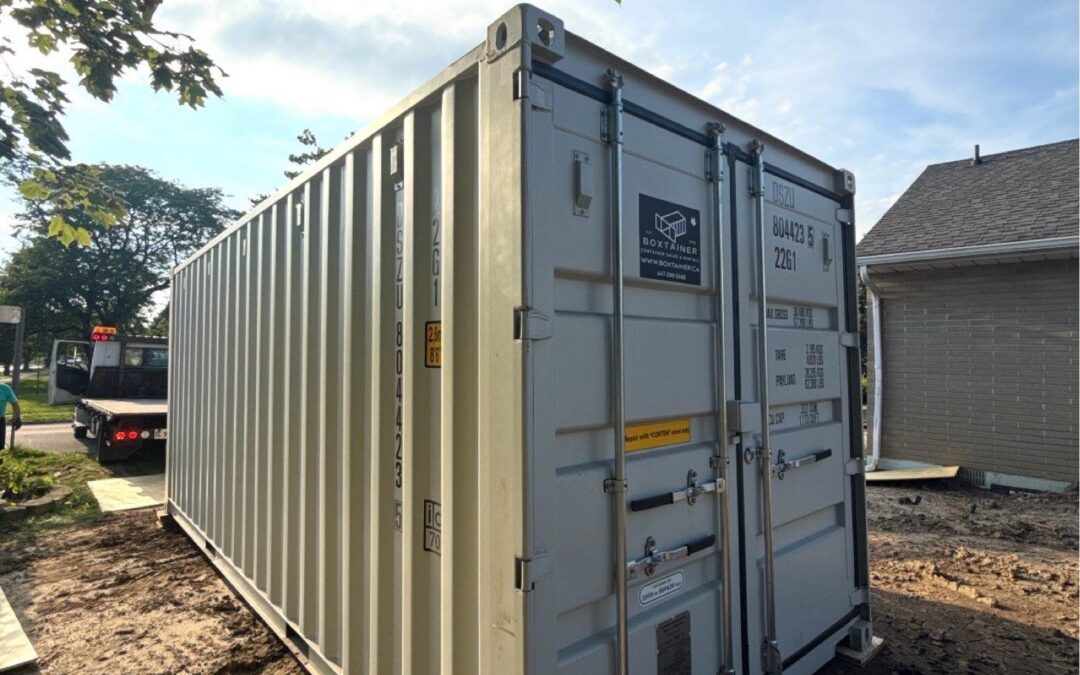
What Makes Shipping Containers So Durable in the First Place Shipping containers were engineered for one of the harshest environments in logistics: the open ocean. They’re built from Corten steel, a material that forms a stable oxidized layer on the surface...
by Boxtainer | Sep 24, 2026 | Shipping Containers For Sale
What’s Driving Container Prices in 2026 Shipping container prices in Ontario reflect global steel manufacturing, container fleet allocation, and regional logistics demands. Rather than fixed quotes across all regions, prices reflect indicative Ontario market...
by Boxtainer | Sep 24, 2026 | Storage Container Provider
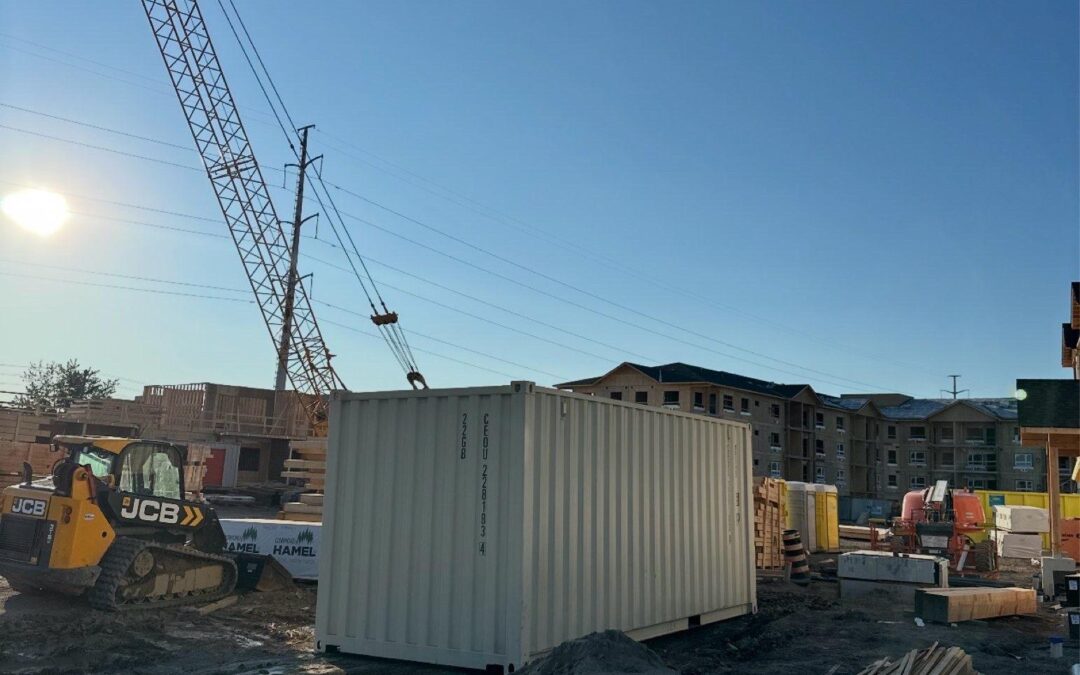
On any active construction site across Southern Ontario, efficiency, security, and organization make or break profitability. Managing high-value equipment, raw materials, and tools requires a rugged storage solution that withstands harsh weather and deters job site...