
Why Terminology Trips Up First-Time Buyers
Container condition terms vary a fair amount between Ontario sellers, and that’s probably the first thing that confuses a new buyer. Grade A, B, and C labels, borrowed loosely from other industries, are used by some companies. Boxtainer doesn’t use that system, though. Terms are instead kept to New One Trip, Used Cargo Worthy (CW), Wind & Watertight (WWT), and AS IS; each one is tied to a specific structural meaning rather than a vague letter grade. A buyer comparing two “Grade A” containers from different sellers might, in fact, be comparing two very different products. A seller being asked to define their terms before buying is a small step, one that prevents a bigger headache later.
What “Cargo Worthy” Actually Covers
A Used Cargo Worthy container is inspected and deemed structurally sound and suitable for transporting cargo. A flawless exterior is not promised by that inspection, to be fair. Dents, surface rust, and small repairs are normal on a CW unit, and in most cases, these are purely cosmetic. New One Trip and Used Cargo Worthy containers are sold by Boxtainer, including 40′ High Cube units where applicable, and the distinction between those two categories is explained upfront rather than left for buyers to guess at. A construction business in Hamilton looking for secure jobsite storage, for example, usually cares more about structural soundness than paint condition. That’s the right priority, generally speaking.
Why You Can’t Always Hand-Pick Your Unit
It would be convenient if every buyer could walk a depot yard and choose the exact container being delivered. That’s not always how it works, though, since availability depends on depot location and current stock levels across Ontario. The condition category, size, and general specifications of what’s being delivered, though, can be confirmed. Pushback on this is understandable, but the alternative, promising exact unit selection that can’t be guaranteed, tends to cause more problems than it solves. Transparency here, even when it’s a little disappointing, beats a surprise at delivery.
Delivery Clearance Is Not Optional Detail
Clearance requirements for the property should be asked about before delivery is scheduled. A 20′ container delivery generally needs 70 to 80 feet of straight clearance; a 40′ container delivered via Landoll truck needs roughly 120 to 130 feet, plus enough space at the entrance for turning. Sites in older parts of Ontario, including some tighter residential streets in Niagara or Toronto, run into this problem more often than newer commercial lots do. The approach is worth measuring before the truck shows up, not after. That’s usually where it clicks for most buyers, once the truck size has been seen in person.
Site Prep Affects More Than You’d Think
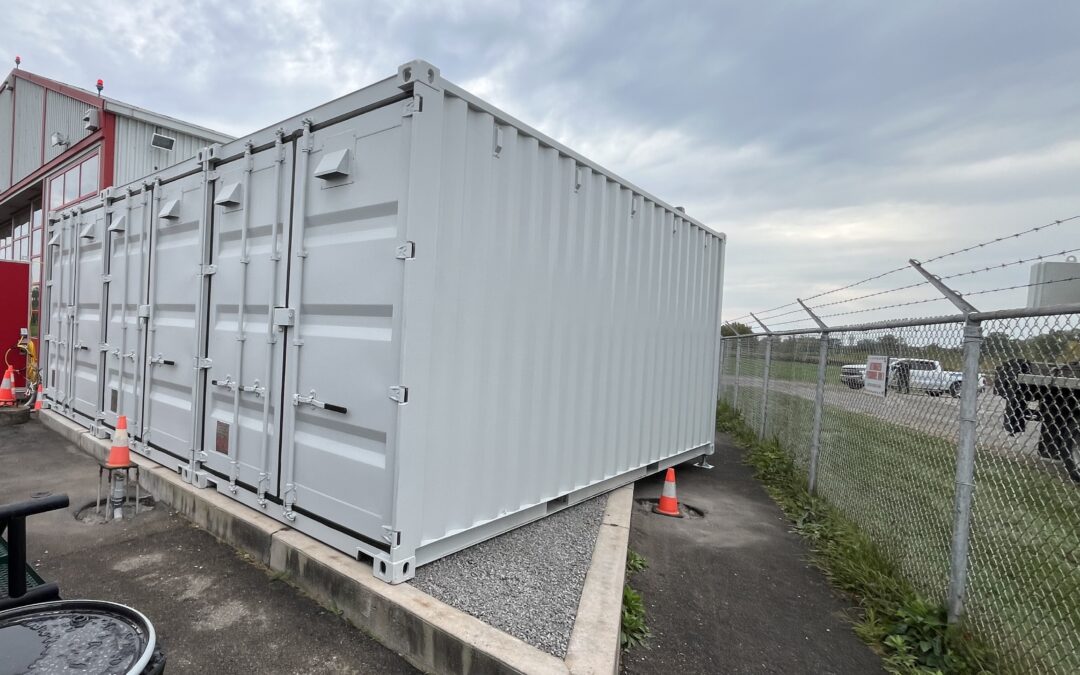
A container needs to sit on a surface that’s firm and, in a way, reasonably level, whether that’s asphalt, concrete, or compacted crushed stone. This is separate from internal ventilation, which deals with moisture control inside the box. Elevation or blocking, by contrast, is about leveling the unit, managing drainage underneath, and keeping the doors aligned properly over time. Site prep is often skipped, and that mistake tends to show up months later as a stuck door or pooled water beneath the container. A bit of prep work upfront avoids a bigger fix later; it usually does.
Pricing Ranges and What They Actually Mean
Prices for shipping containers across the Ontario market vary depending on size, condition, and whether a unit is being bought or rented. These figures represent general market averages across the province, not fixed Boxtainer quotes, since actual pricing depends on current inventory and specific unit details. Rental billing, where applicable, is calculated per calendar month rather than every 28 days, meaning 12 billing cycles annually instead of 13. Delivery and pickup are charged separately from the rental rate itself. Direct questions about how each seller structures these fees are worth asking, since the differences add up over a rental term.
Why Niagara Matters for Ontario Buyers
Boxtainer is operated out of Niagara Falls, with a local yard supporting deliveries throughout the region and across Ontario more broadly. For businesses in construction, renovation, or seasonal retail needing short-term storage, container rental is often the more practical option, particularly when a project timeline is uncertain. Faster coordination for pickups, deliveries, and swaps is made possible by a local yard in Niagara, which matters when plans shift mid-project; that happens more often than not on active jobsites. That local presence is a strength Boxtainer leans into, not a limitation.
Questions Worth Asking Before You Pay
Before any seller in Ontario is committed to, questions should be asked directly about condition terminology, delivery clearance for the site, and how rental billing cycles work if that applies. Whether the price quoted includes delivery or treats it separately should also be asked. These aren’t complicated questions, but they’re the ones that prevent confusion after the contract is signed. Each of these details is walked through with buyers directly by Boxtainer’s team, because a dependable, solution-focused process starts before delivery day, not during it. Visit Website to explore current container options or get a quote tailored to your Ontario location.
FAQ
What does “Cargo Worthy” actually mean?
Cargo Worthy means the container has been inspected and found structurally sound enough to transport goods safely. Cosmetic perfection is not implied; some dents, surface rust, scratches, or minor repairs should be expected. The structure itself, though, has passed inspection standards for use.
Can I pick the exact container I’m buying?
Not usually, no. Container availability depends on depot location and current inventory, so exact hand-selection isn’t something that can be guaranteed ahead of delivery. What can be confirmed is the condition category and size being paid for.
How much clearance does delivery actually need?
That depends on the container size and delivery method. About 70 to 80 feet of straight clearance is generally needed for a 20′ container; a 40′ unit delivered by Landoll truck needs closer to 120 to 130 feet, plus enough room for the truck to turn in and out of the site.
Is rental billed monthly or every 28 days?
Rental billing at Boxtainer runs on calendar months, meaning 12 billing cycles per year rather than 13. Delivery and pickup are charged as separate fees, not folded into the monthly rate. That distinction matters when quotes are compared between providers.
Do I need to prep my site before delivery?
Yes. The surface should be firm and level, whether that’s asphalt, concrete, or compacted crushed stone. Delivery delays or door alignment problems can result from a soft or uneven site, sometimes not showing up until later.