
When you need extra room for inventory, equipment, or personal belongings, shipping containers are an incredibly tough and reliable solution. They are built to withstand harsh ocean journeys, heavy winds, and torrential rains. But if you are planning to store items sensitive to extreme heat or freezing cold, you might wonder: Is a standard steel box up to the job?
The short answer is yes—but only if you prepare the container correctly.
Whether you are looking at shipping containers for sale to own permanently, or exploring shipping containers for rent for a short-term project, understanding how temperature affects your goods is key to keeping them safe.
What Happens Inside a Standard Container?
Standard shipping containers are made of corten steel. While steel is incredibly durable, it is also an excellent conductor of heat.
Without any modifications, a shipping container acts like an oven in the hot summer sun and a freezer during cold winter nights. In places with distinct seasonal shifts, such as Southern Ontario, temperatures inside an unmodified steel container can easily soar way past the outdoor temperature in July, or plummet below freezing in January.
If you are storing temperature-sensitive inventory, you risk damage from:
- Condensation: Rapid temperature swings cause moisture to form on the steel walls and ceiling (often called “container rain”), which can lead to mould and rust.
- Freezing or Melting: Goods such as canned liquids, paints, adhesives, and certain electronics can freeze and crack, while plastics, candles, and cosmetics can warp or melt.
- Degradation: Paper documents, vintage wooden furniture, and textiles will rapidly deteriorate if exposed to constant humidity spikes.
How to Make Your Container Safe for Sensitive Items
If you need to store sensitive goods, you don’t have to abandon the idea of using a container. You simply need to use the right setups or make the right modifications.
1. Choose Insulated or Refrigerated Containers (Reefers)
If you are storing pharmaceuticals, fresh produce, or highly sensitive chemical compounds, a standard dry container won’t cut it. You will need a refrigerated container (reefer) or a fully insulated container. These units come equipped with built-in climate control systems to maintain a precise, steady temperature year-round.
2. Install Insulation and Ventilation
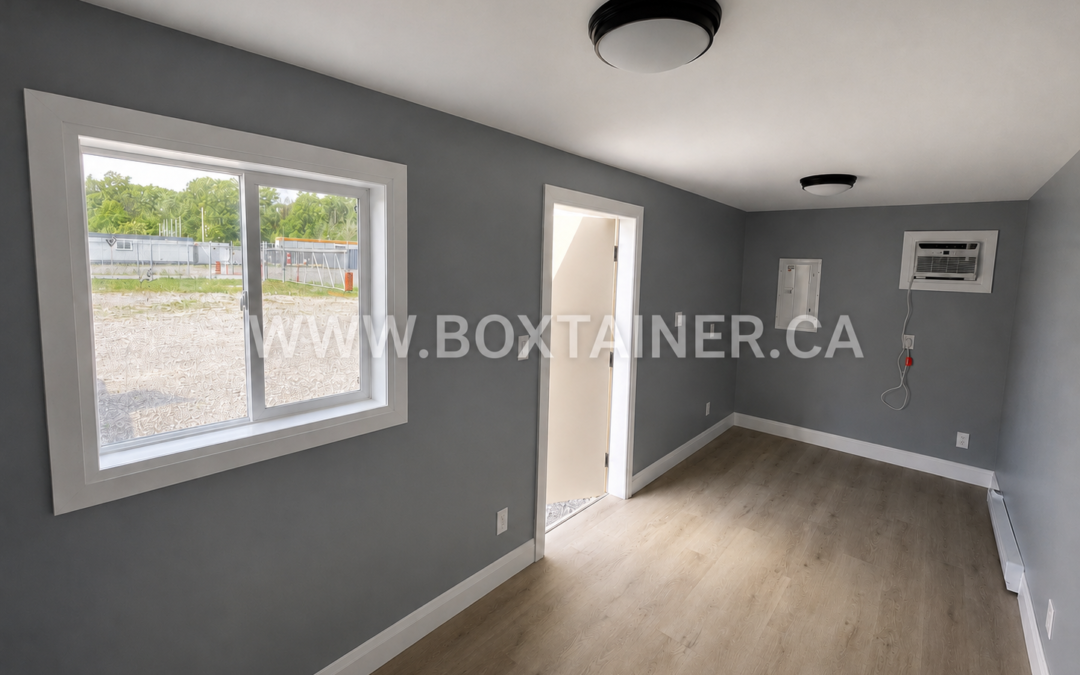
For moderately sensitive items like furniture, retail inventory, and electronics, a standard container can be retrofitted. Adding spray foam insulation, framing, and drywall creates a thermal barrier that prevents the steel from transferring outdoor temperatures directly into the building. Pairing this with a basic passive or active ventilation system allows fresh air to circulate, eliminating humidity buildup.
3. Consider Location and Placement
Where you place your container matters. Putting it in a shaded area shields it from direct sunlight, keeping interior temperatures much lower in the summer. Placing it on a gravel pad or blocks also prevents ground moisture from rising up through the wooden subflooring.
Finding the Right Container Solution in Niagara
If you are looking for secure, weather-resistant storage, Boxtainer has you covered. We offer a wide range of high-quality shipping containers for sale, perfect as a permanent asset on your property that you can customize, insulate, and modify to your exact specifications.
If your needs are temporary, we also offer flexible shipping container rental options. Our team can help you select the ideal size and configuration to ensure your items remain protected, dry, and secure.
For those who don’t have the space to keep a container on-site, Boxtainer also offers premier Niagara storage solutions at our secure facilities. We provide the space, security, and peace of mind you need to store your belongings safely, no matter the season.
Get in touch with Boxtainer today to find the perfect storage solution for your needs!