Understanding Container Door Modifications
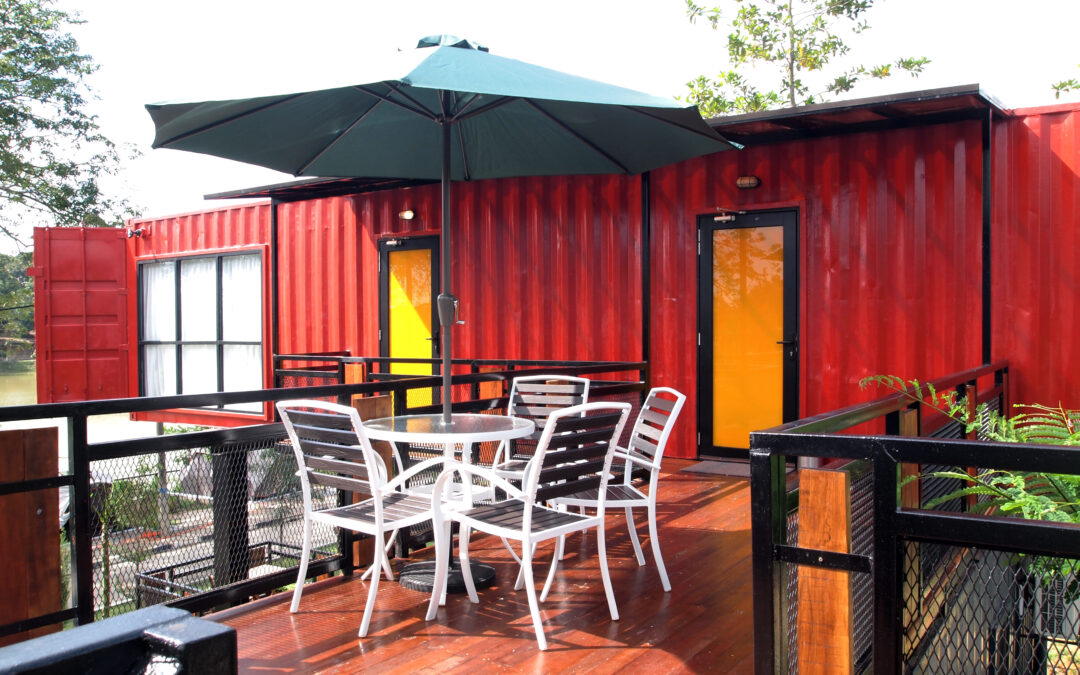
Roll-up doors have become the standard choice for most Ontario businesses needing frequent container access. External mounting is used for these doors, and they operate smoothly in various weather conditions. Personnel doors are often added alongside cargo doors for convenience.
Double doors work well for wider openings; more structural reinforcement is required, though. The installation process typically takes 4-6 hours per door. The work can be completed on-site by most contractors without moving your container.
Window Installation Considerations
Containers are transformed from dark storage spaces into functional work areas by windows. Standard sizes include 24″x36″ and 36″x48″ options, though custom dimensions are available. Water infiltration is prevented by proper flashing, which is critical in Ontario’s climate, to be fair.
Tempered glass gets used for safety reasons. Security windows with reinforced frames are chosen by some businesses. Your intended use and local building requirements usually determine the positioning.
Electrical System Upgrades
Code compliance and safety are ensured by professional electrical installation. LED overhead lighting, multiple outlets, and a main disconnect switch are included in basic packages. HVAC connections or specialized equipment power might be included in more complex systems.
All wiring work in Ontario is handled by licensed electricians. Running conduit, installing panels, and connecting to your main power source are involved in the process. Most installations are completed within one day.
Interior Shelving Solutions
Your container’s storage potential is maximized significantly by custom shelving. Heavy-duty steel shelving gets welded directly to the walls for maximum stability. More flexibility is offered by adjustable systems, but careful planning is required.
A Toronto manufacturing company recently doubled their parts storage capacity using a three-tier shelving system. Two days were needed for the installation, and specialized brackets for odd-shaped inventory were included. Interesting how that works.
Ventilation and Climate Control
Moisture buildup is prevented and air quality inside modified containers is maintained by proper ventilation. Roof vents, side louvers, and exhaust fans are included in standard options. More sophisticated systems are required for climate-controlled applications.
Insulation often gets added alongside ventilation improvements. This combination works well for Ontario businesses storing temperature-sensitive materials; the investment usually pays off through reduced product damage.
Planning Your Container Modifications
Start by listing your specific needs and intended use. Which modifications provide the most value for your situation is determined by this approach. Future expansion should be considered when planning electrical and access improvements.
The most functional result is created when Ontario businesses combine 3-4 modification types, from what we’ve observed. Proper installation and code compliance are ensured by working with experienced contractors. Ready to explore container modification options? Visit our website to discuss your specific requirements.
FAQ
Q: What’s the most popular door modification? Roll-up doors get requested most often. They’re practical for frequent access and don’t require swing space. Plus, they’re fairly weatherproof when properly installed.
Q: Can you add windows to any container? Look, most containers can accommodate windows, but placement matters. Structural integrity gets maintained by avoiding corner cuts and keeping windows properly spaced.
Q: How much does electrical work typically cost? Fair point to ask upfront. Basic electrical packages usually run $800-1500 for standard lighting and outlets. More complex systems cost more, obviously.
Q: What about shelving options? Funny enough, shelving modifications vary widely based on what you’re storing. Heavy-duty steel shelving gets welded directly to container walls. That still surprises people.