
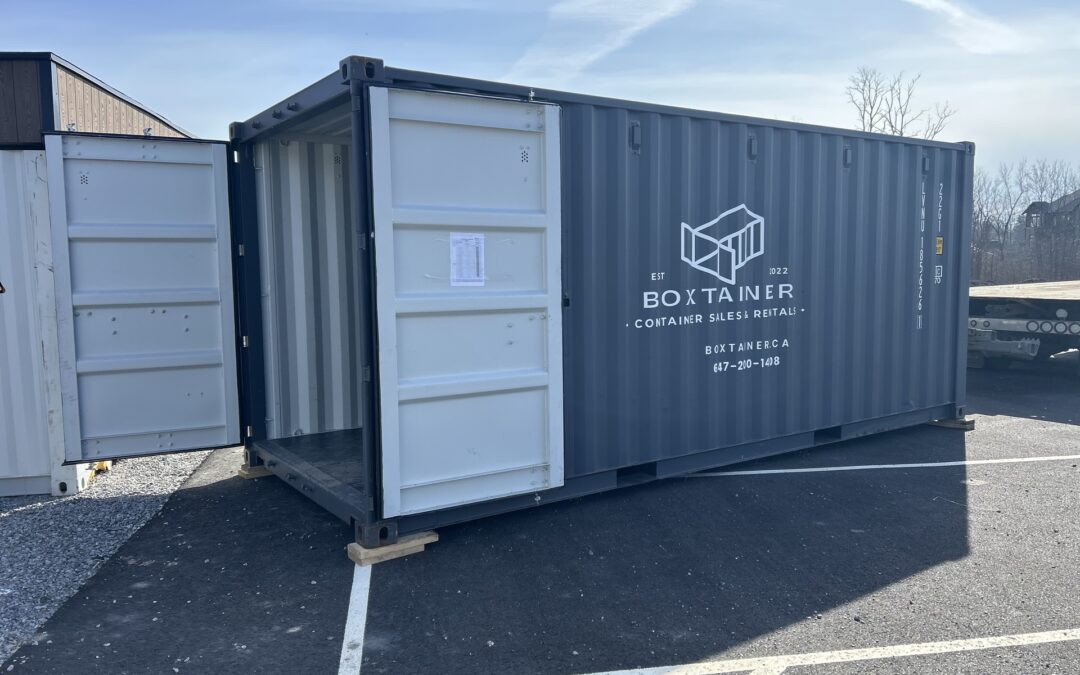
Understanding Container Environment Challenges
Cargo protection during transport was the purpose shipping containers were designed for, not comfortable working conditions. A sealed environment that traps heat, moisture, and stale air is created by the steel construction. Internal temperatures can swing dramatically without proper modifications; humidity levels often exceed comfortable ranges. Basic insulation isn’t enough, as Ontario businesses converting containers for office use quickly discover. Active environmental control systems are needed.
Ventilation System Basics
Understanding airflow patterns is where effective container ventilation starts. Hot air rises and exits through roof-mounted exhaust fans, while cool air enters through lower intake vents. Consistent circulation that prevents dead air pockets is the key that must be created. A combination of powered exhaust and passive intake is used by most systems, though powered intake as well benefits some applications. From what we’ve seen, single-direction airflow is outperformed by cross-ventilation in rectangular container spaces.
Lighting Design Considerations
Unique challenges are faced by container lighting due to the narrow, elongated space and lack of natural light sources. Even illumination is provided by LED strip lighting along the ceiling; specific work areas are addressed by task lighting. Natural light is added by windows cut into container walls but proper weatherproofing and structural reinforcement are required. Shadows and dark corners that make spaces feel cramped must be eliminated as the goal. Plus, eye strain during long work sessions is reduced by good lighting.
Power Requirements and Electrical Planning
Reliable electrical service sized for peak demand is needed by ventilation fans and lighting systems. 30-50 amps of service might be required by a typical 20-foot container office, depending on equipment loads and HVAC needs. Power consumption is reduced significantly by LED lighting compared to fluorescent alternatives. Grid power can be supplemented by solar panels, though complexity and cost are added by battery storage. Licensed electricians are required by Ontario’s electrical code for most installations, so professional installation should be factored into your budget.
Cost-Benefit Analysis
A significant portion of container conversion costs is represented by ventilation and lighting upgrades, but dividends in usability and comfort are paid by the investment. Equipment failures, health complaints, and reduced productivity are led to by poor environmental controls. 25% higher employee satisfaction was reported by a Hamilton manufacturing company after their container office ventilation system was upgraded. Reduced sick days and improved output allowed the initial $4,500 investment to be recovered within eight months. Interesting how that works.
Installation Best Practices
Code requirements are met and efficient operation is ensured by professional installation. Proper mounting and weatherproofing are needed by ventilation fans to prevent leaks. Permits and inspections are required by electrical work in most Ontario municipalities. Timing matters too; these systems are easier to install before interior finishing work begins. Ventilation capacity should be oversized slightly to handle peak loads and future expansion needs, as recommended by many contractors.
Maintenance and Long-Term Performance
Efficient operation of ventilation and lighting systems is kept by regular maintenance. Periodic lubrication is needed by fan motors; cleaning or replacement is required by filters. LED lighting systems are relatively maintenance-free but light output is maintained by occasional cleaning. Potential issues are identified by seasonal inspections before they become problems. Anyway, that’s usually where their rhythm is found by most container workspace projects.
Making the Investment Decision
Thoughtful planning and adequate investment in environmental systems are required by converting a shipping container into a comfortable workspace. The upfront costs for proper ventilation and lighting might seem substantial, but a space people actually want to use is created by these essential elements. Assessing their specific needs and local code requirements can be where Ontario businesses looking to explore container solutions start. Container customization options and professional installation services can be learned about by visiting our website.
FAQ:
Q: What type of ventilation works best in shipping containers? The most reliable airflow is created by exhaust fans paired with passive intake vents. Hot spots and moisture buildup are prevented by cross-ventilation. That still surprises people.
Q – How much lighting do I need for a container office? Look, 30-50 foot-candles of light are needed by most container workspaces for general office work. Another 20-30 foot-candles are added by task lighting where needed. LED panels work well.
Q: Can I use solar power for container lighting and fans? Fair point. Basic lighting and ventilation can be powered by solar systems, though consistent operation during cloudy periods usually requires battery backup.
Q: Do I need permits for ventilation and electrical work? Permits and licensed contractors are typically required by electrical work in Ontario. Approval might be needed for ventilation modifications depending on the scope. Check local requirements first.