Practical Storage for Equipment Protection
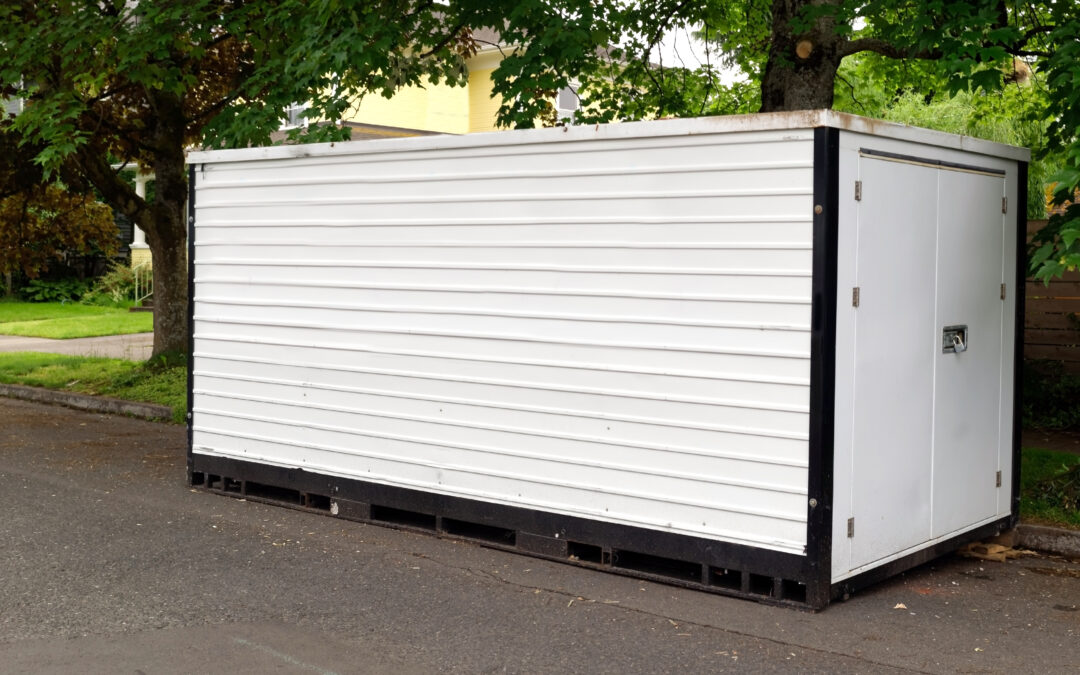
A significant investment that deserves proper protection is represented by farm equipment. Housing for smaller tractors, ATVs, and implements during off-seasons is offered through a straightforward solution by shipping containers. Security against theft and weather damage that open sheds can’t match is provided by the steel construction.
How three 20-foot containers are used for different equipment categories was recently shared by a Simcoe County operation. Their ATV and small implements are housed by one, seasonal attachments are stored by another, and their compact tractor is protected during winter months by the third. The setup was completed in a weekend.
Feed and Supply Storage Solutions
Unique challenges with moisture control and pest prevention being primary concerns are presented by feed storage. Both are excelled at by containers when properly configured. Rodents are kept out by the sealed environment, while humidity levels for different feed types can be controlled by ventilation modifications.
Containers work particularly well for supplement storage, something that’s being discovered by many Ontario dairy farms. Bagged feeds, minerals, and veterinary supplies stay dry and organized. Security for expensive nutritional products is provided by the lockable doors. Plus, everything is kept off the ground by the elevated floor.
Seasonal Storage Flexibility
Temporary storage needs that traditional buildings can’t always accommodate are created by harvest seasons. The flexibility to add storage capacity when needed is offered by containers, then the space can be repurposed for other uses throughout the year. Mixed farming operations with varying seasonal demands are appealed to by this adaptability.
Containers for temporary grain storage during peak harvest periods are used by one Perth County grain farm. When harvest ends, equipment and supplies are housed by the same containers. Another layer of utility is added by the ability to relocate containers as field layouts change.
Climate Control and Modifications
Careful consideration for sensitive storage needs is required by Ontario’s temperature extremes. Equipment and non-perishable supplies work well with basic containers, but feed storage often benefits from ventilation or insulation modifications, to be fair. Building traditional storage structures is typically outpaced in cost-effectiveness by these upgrades.
Roof or wall modifications can be used to add ventilation systems to manage moisture and temperature. Basic exhaust fans are installed by some operations, while more sophisticated climate control systems are opted for by others. What’s being stored and the specific requirements determine the modifications.
Cost Considerations and ROI
Containers are often favored by the economics over traditional construction, especially for smaller storage needs. Building equivalent barn space is significantly outcosted by a basic 20-foot container, and delivery is usually completed within days rather than weeks or months for construction projects.
The return on investment becomes clear when container costs are compared to building materials, labor, and time requirements, from what we’ve seen. During busy farming seasons when storage needs can’t wait for construction schedules, the immediate availability also matters.
Getting Started with Container Storage
Specific storage needs and available space determine choosing the right container size and configuration. One container to test the concept is where most farms start, then expansion happens as additional uses are discovered. Gradual investment as storage requirements grow is allowed by the modular approach.
Leveling and possibly adding gravel for drainage is typically what site preparation involves. Electrical connections can be added for lighting or ventilation systems. Traditional building projects are outpaced in straightforwardness by the process. When container storage options for your Ontario farm operation are ready to be explored, our website should be visited to discuss your specific requirements and delivery options.
FAQ
Q: What types of farm equipment fit in shipping containers? 20-foot containers accommodate smaller tractors, ATVs, and implements well. 40-foot units are often where larger equipment gets stored. The standard door opening measures about 8 feet wide and 8.5 feet tall. Most mid-size farm machinery is accommodated by that size.
Q: Can containers be used for feed storage? Look, bagged feed and supplements are handled great by them. Ventilation modifications and moisture control systems are required by bulk grain storage. Rodent access is prevented better by the steel walls than many traditional storage methods.
Q: How do containers handle Ontario weather conditions? Fair point about our climate extremes. Temperature swings from -30°C to +35°C are handled by the steel construction without issues. Proper ventilation or insulation modifications can manage condensation. People are still surprised by that.
Q: What about permits and zoning for farm containers? Agricultural storage containers are allowed by most rural Ontario properties without special permits. Your local municipality should be checked with first, though. Setback requirements from property lines are imposed by some areas.