
Understanding Standard Container Dimensions
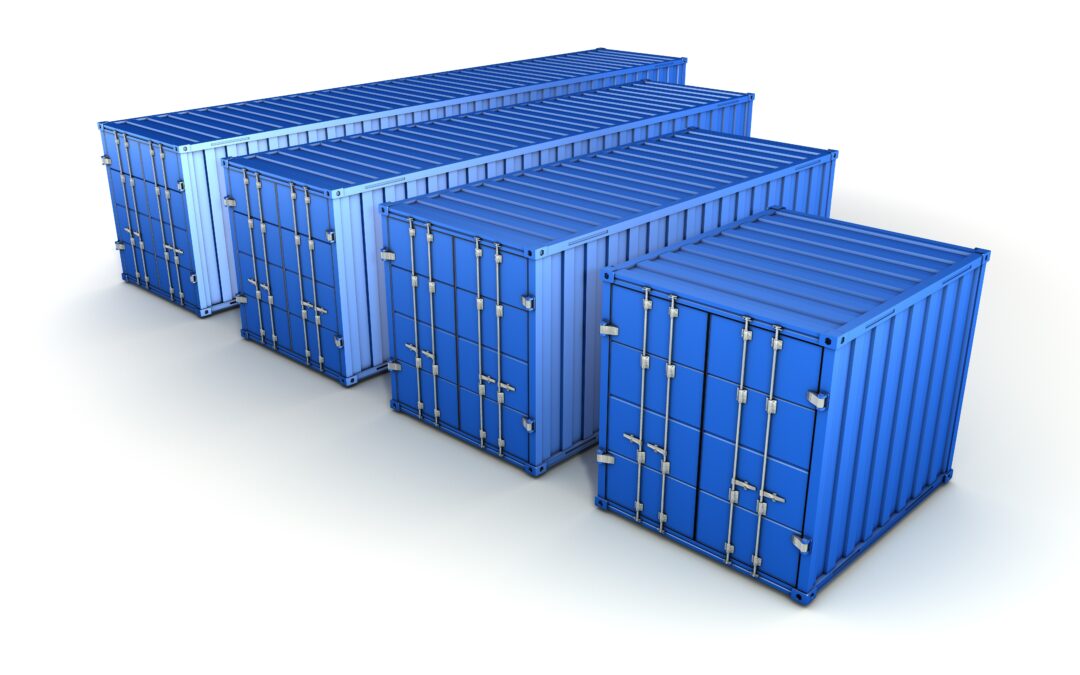
International shipping standards are followed by container sizes, which means dimensions stay consistent regardless of supplier. 10 feet long by 8 feet wide by 8.5 feet high is how a 10ft container measures, giving you a compact storage footprint that fits most residential driveways. The length is doubled by the 20ft version while the same width and height are maintained. And the 40ft container, well, it’s essentially two 20ft units placed end to end.
More than you might expect is mattered by these measurements. A 40ft container for a garage cleanout is assumed to be needed by many Ontario homeowners, but the job with room to spare is often handled by a 20ft unit. Plus, easier positioning on your property is provided by smaller containers.
Assessing Your Storage Volume
In cubic feet, not just floor space, storage needs get calculated. About 200-300 cubic feet of container space is usually required by a typical bedroom’s worth of furniture. More efficiently are office equipment and inventory boxes packed, often needing less volume per item than household goods.
From what we’ve seen, how much space they actually need is underestimated by most people. But money is also cost by overestimating. A 40ft container for construction materials was rented by one Toronto-area contractor we spoke with, only to realize a 20ft would have been plenty. Live and learn.
10ft Containers: When Smaller Works Better
Well for residential storage, seasonal items, or businesses with limited space requirements do small containers work. Into tight spots where larger units can’t go they fit, making them popular in urban Ontario locations. Roughly the same as a large parking space is measured by the footprint.
The lowest monthly rental rates are offered by 10ft containers cost-wise, though the per-square-foot pricing isn’t always the most economical. For storing garden tools, seasonal decorations, or small business inventory they’re ideal. Massive storage capacity isn’t needed by everyone.
20ft Containers: The Sweet Spot
Choosing 20ft containers is what most customers end up doing, and there’s good reason for that. Substantial storage capacity without overwhelming most properties is provided by them. The contents of a three-bedroom house can typically be held by a 20ft container or serve as warehouse space for small to medium businesses.
20ft units are often favored by the pricing structure too. While more than 10ft containers they cost, the extra expense is usually justified by the additional space. This size handles their inventory needs with room for growth, many Ontario businesses find. In business planning, flexibility matters.
40ft Containers: Maximum Capacity
From 40ft containers, which offer the most storage space per container, large operations benefit. For construction sites, large retail inventory, or industrial storage needs they’re commonly used. Adequate property space and sometimes special delivery arrangements are required by the length.
From multiple smaller containers to a single 40ft unit, one manufacturing company in Hamilton switched. Their operations were streamlined and overall costs reduced. Though sufficient ground space and potentially municipal permits are needed by you, depending on your location.
Making the Final Decision
Your current needs plus about 20% extra capacity for future growth should be considered. Over time, most storage requirements expand; additional costs and logistics are involved in upgrading container sizes. Your property constraints, budget, and how often you’ll need to access stored items should be factored in.
A role is played by budget, but so does convenience. More monthly might be cost by a slightly larger container but from needing a second unit later you could be saved. That’s usually where in your favor the math works out. Ready to explore your container options? Available sizes can be seen and pricing for your Ontario location can be obtained by visiting our website.
FAQ
Q: What’s the actual difference in storage capacity between these sizes? About 560 cubic feet of space is given to you by a 10ft container, while a 20ft jumps to roughly 1,100 cubic feet. Around 2,400 cubic feet is doubled again by the 40ft container. Not just about floor space, though. Height matters too.
Q: Do I need special permits for larger containers in Ontario? A 20ft container can be accommodated by most residential properties without permits, but municipal approval is sometimes required by 40ft units. Check with your local authority first. Saves headaches later.
Q: Which size offers the best value for money? Look, the most storage per dollar spent is typically provided by the 20ft container. More is cost upfront by a 40ft but better per-square-foot pricing is offered if you need the space. That still surprises people.
Q: Can I upgrade to a larger size later? Fair point. Container sizes can always be switched by you, though additional delivery fees and scheduling are involved. Better to estimate your needs generously from the start.