
Understanding Weight Distribution Requirements
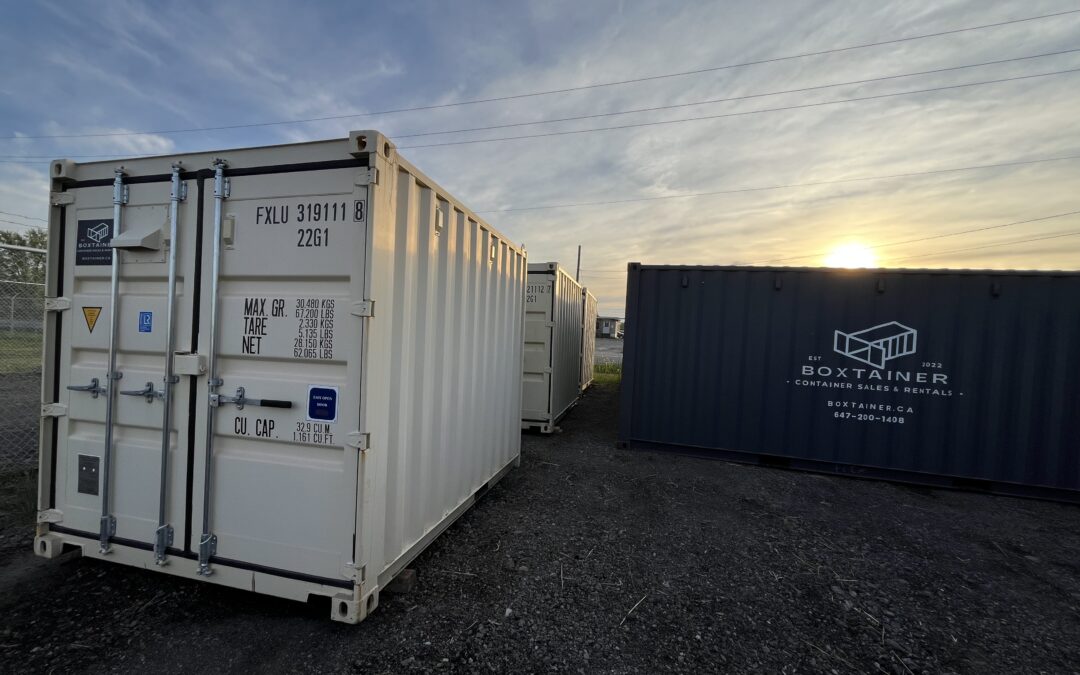
Serious weight considerations are involved in container delivery that catch many Ontario businesses off guard. Around 80,000 pounds is weighed by a loaded delivery truck, with 8,000 to 10,000 pounds added by the container itself when empty. Four corner casting points on the container distribute that weight. Settling is caused by soft ground or inadequate support, which creates door alignment problems and potential structural issues down the road.
Site Access and Clearance Planning
Substantial maneuvering space is needed by delivery trucks to position containers accurately. 75 feet of straight access and 14 feet of overhead clearance are required by the truck. Delivery complications are created by power lines, overhanging branches, and narrow driveways. This lesson was learned by one Toronto-area business when their delivery was rescheduled three times due to low-hanging utility lines they hadn’t noticed.
Ground Preparation and Grading Basics
The foundation for successful container placement is created by proper grading. A maximum 2% slope should be used to grade the site, with drainage directed away from the container location. Special attention is required by clay soil, common across Ontario, during spring months when ground stability is affected by freeze-thaw cycles. Temporary placements work with compacted earth; more substantial preparation benefits permanent installations.
Gravel Base Installation
The most reliable support for shipping containers is provided by a gravel base. At least 2 feet beyond the container footprint on all sides should be extended by the base and 6 inches deep minimum. Better compaction is achieved by crushed limestone or similar angular gravel than rounded stone. From what we’ve seen, this preparation step gets skipped most often, usually because of cost concerns.
Drainage Considerations
Long-term problems with container placement and site conditions are prevented by water management. Water is kept from pooling around the container base by proper drainage, which can cause settling and create access problems. Most drainage needs are handled by French drains or simple grading adjustments. This preparation is made particularly important by Ontario’s wet springs for containers placed during March through May.
Support Options for Different Applications
Different support approaches are required by different container uses. Gravel pads often work fine for storage applications, while concrete footings might be needed by office conversions. Intermediate support options are provided by railroad ties or concrete blocks for semi-permanent installations. Support requirements should be matched to intended use and local soil conditions. Sometimes it’s simpler than people think.
Final Delivery Day Preparations
Site preparation gets tested when the delivery truck arrives. Ground conditions, access routes, and placement areas are evaluated by drivers before unloading. Delays and additional charges are caused by last-minute site issues. Smart planning includes having the site ready 2-3 days before scheduled delivery; this allows time for any needed adjustments. When you’re ready to move forward with your container project, visit our website to explore available options and schedule your delivery.
FAQ
Q: What happens if my ground isn’t level enough? Site conditions will be assessed by the driver and delivery may be refused if the slope exceeds safety limits. Containers won’t be placed by most drivers on grades steeper than 2%. That still surprises people.
Q – Do I need a concrete pad? Most applications don’t require concrete. Compacted gravel works well and costs less. Just make sure drainage is handled properly.
Q: How much space does the delivery truck need? 75 feet of straight access and 14 feet overhead clearance should be planned for. Problems are caused by trees, power lines, and tight corners.
Q Can containers be delivered on grass? Fair point, but adequate support is rarely provided by grass. Uneven settling will occur with the container over time, creating drainage issues and door problems.