The Upfront Investment Reality
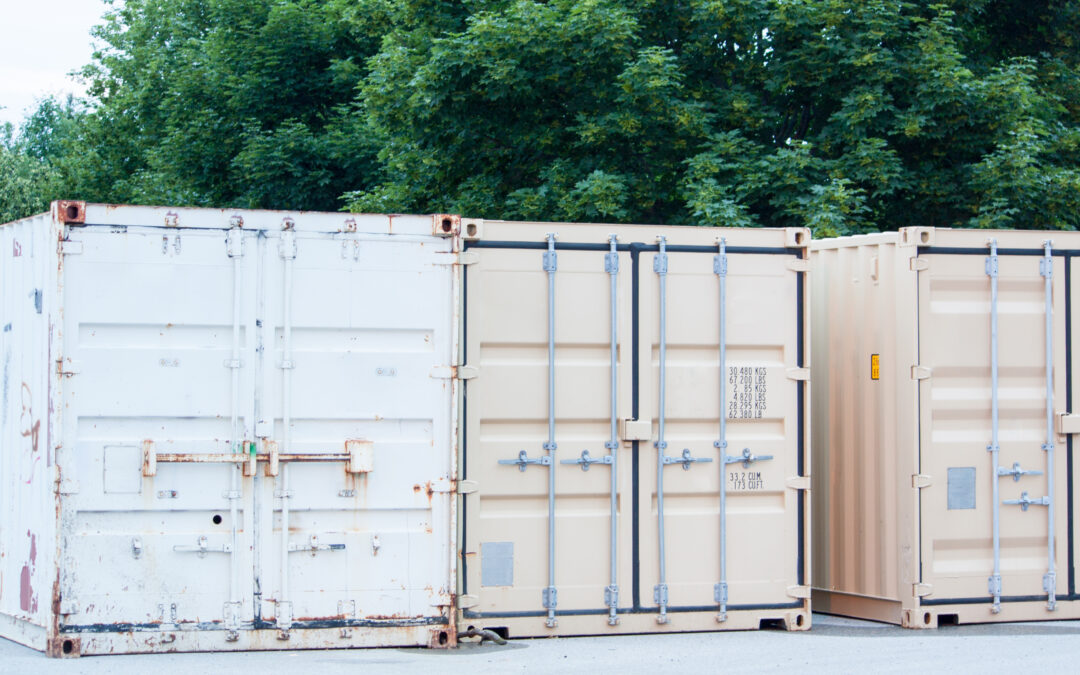
Premium pricing is commanded by new shipping containers for good reason. $4,500-$6,000 for a standard 20-foot new container should be expected in Ontario, while used options start around $2,500. Those numbers don’t tell the whole story, though. Ocean shipping retirement often happens to used containers after 10-15 years of harsh conditions; their remaining lifespan gets affected by that history. A Toronto-area contractor recently told us used containers were bought thinking money would be saved, only to have flooring replaced within three years. When those hidden costs are factored in, I suppose the math changes.
Durability and Maintenance Considerations
Decades of use with minimal intervention can be withstood by new containers when they’re built. The steel is untested; the seals are fresh, and structural integrity is guaranteed. Unknown maintenance histories are what used containers arrive with, on the other hand. Obvious wear like surface rust or door alignment issues are shown by some, while problems that emerge over time are hidden by others. From what we’ve seen, some repair within the first five years is needed by roughly 30% of used containers. That’s not necessarily a deal-breaker, but your planning should factor it in.
Long-Term Value Calculation
Here’s where things get interesting. 25+ years of reliable service might be provided by a new container with basic maintenance like occasional rust treatment and door lubrication. 10-15 years of solid service are typically delivered by used containers before major repairs become necessary. The annual ownership cost often evens out when those costs are spread over time. Plus, their resale value is held better by new containers if you ever decide to sell. Funny thing, really.
Geographic and Delivery Factors
Specific challenges for container storage are presented by Ontario’s climate. Rust formation can be accelerated by harsh winters and humid summers, especially on containers that already show wear. These conditions are handled better initially by new containers, though proper site preparation and drainage benefit both types. Delivery costs remain constant regardless of container age; $300-$500 usually gets added to your total investment depending on distance from the supplier.
Customization and Modification Potential
Clean slates for modifications like shelving, electrical work, or climate control systems are offered by new containers. The steel is easier to cut, weld, and modify without worrying about hidden weak spots. Used containers can still be customized, but steel that may have stress points or previous modifications is what you’re working with. How his used container had unexpected holes from previous modifications that complicated his shelving installation was recently shared by a Hamilton business owner.
Making the Right Choice for Your Situation
Your storage timeline and budget flexibility is what the decision ultimately depends on. If storage for 15+ years is needed and the higher upfront cost can be handled, better value is typically provided by new containers. For shorter-term needs or tight budgets, quality used containers can work well with proper inspection. Either way, honest assessments and proper delivery are ensured when working with a reliable Ontario supplier. Ready to explore your options? Visit our website to compare available containers and get personalized recommendations.
FAQ
Q: How long do used containers actually last for storage? Look, the container’s history and condition when you buy it is what it depends on. 10-15 years of storage use can be handled by most used containers before significant repairs are needed. Floor damage gets addressed first, usually. That still surprises people.
Q – What’s the real cost difference over 20 years? Fair point to ask. $5,000 upfront might be what new containers cost but minimal maintenance is needed. $1,500-$2,500 in repairs over two decades are often required by used containers at $3,000. The gap narrows considerably.
Q: Are there financing options for container purchases? Payment plans or leasing arrangements are offered by many suppliers. Spreading costs over 12-24 months rather than paying upfront is often preferred by businesses. Cash flow gets preserved that way.
Q – Can I inspect a used container before buying? Absolutely, and you should. Full inspections of doors, floors, walls, and roof are allowed by reputable dealers. Rust holes, soft spots in flooring, or damaged door seals are included among red flags.