Why Location Matters More Than You Think
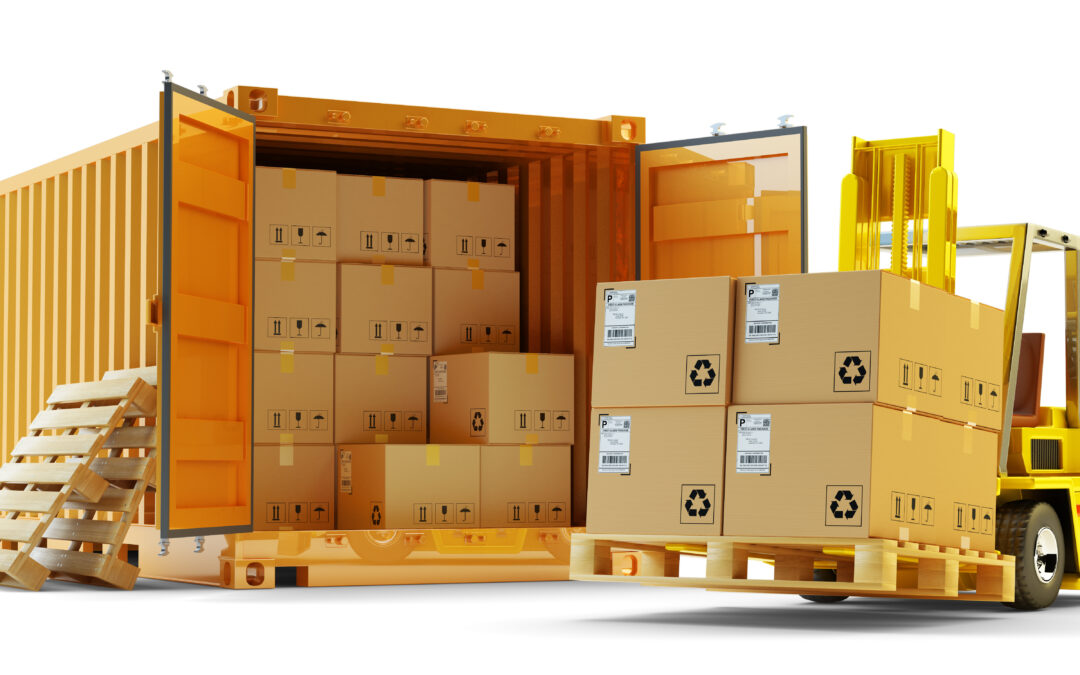
Everything changes when your storage is right on your property. Two hours weekly were spent by a Hamilton contractor we worked with driving to his storage unit across town. His tools and equipment now sit in a container behind his shop. Time savings add up quickly; what he needs can be grabbed without planning ahead. Weather delays become less of an issue when travel to another location isn’t required.
The Real Cost Comparison
Only part of the story is told by monthly fees. Hidden costs like insurance requirements, lock fees, and fuel for regular trips are often included in traditional self-storage. Everything is typically bundled by container rentals into one predictable monthly rate. According to available data from the Ontario storage market, roughly 25-35% annually is saved by businesses when switching to on-site containers. The math gets better when time and transportation costs are factored in, I suppose.
Security That Actually Works
Shared spaces with multiple access points and varying security levels are what self-storage facilities represent. The same locking mechanisms that protect millions of dollars in cargo worldwide are used by shipping containers. Significantly thicker than typical storage unit walls is the steel construction. Plus, when it’s on your property, who gets near it is controlled by you. His insurance premiums dropped after switching to container storage, one Niagara Falls business owner told us.
Flexibility for Growing Needs
Fixed unit sizes and long-term contracts are what traditional storage locks you into. Containers can be modified, moved, or upgraded as needs change. Electrical outlets for power tools are needed? That can be added. Internal shelving or climate control is wanted? Also possible. An extension of your workspace rather than just a storage box is what the container becomes. Over time, businesses that evolve find this adaptability proves valuable.
Weather and Durability Factors
Everything from freezing winters to humid summers is tested by Ontario weather. Temperature swings and moisture that would damage goods in lesser storage options are handled by shipping containers through their engineering. The steel construction doesn’t warp, crack, or develop gaps like some traditional storage buildings do. Humidity levels can be managed when ventilation systems are installed. From what we’ve seen, better condition is often maintained by items stored in containers than those in conventional units. Interesting how that works.
Making the Switch Work
Usually straightforward is the transition from self-storage to container rental. Containers can be placed precisely where you need them by most Ontario delivery services, whether that’s a driveway, parking lot, or designated storage area. Ground preparation is minimal for temporary placement. Multiple storage units can often be consolidated into one container by businesses, which simplifies their logistics. Anyway, that’s usually where it clicks for people.
Getting Started with Container Storage
Ready to explore container storage options? Assessing your space requirements and delivery location is typically where the process starts. Sizing, placement, and any modifications you might need can be walked through by professional container services in Ontario. Visit our website to learn more about flexible container rental solutions that fit your specific storage needs.
FAQ
Q: How secure are shipping containers compared to self-storage units? Ocean transport and harsh conditions are what steel shipping containers were built to withstand. Heavy-duty locks and reinforced doors are constructed to make unauthorized access extremely difficult. Thinner materials are often used for traditional storage units. That still surprises people.
Q – Can I access my container anytime? Fair point. When the container sits on your property, 24/7 access is provided without gate hours or facility restrictions. No more rushing to beat closing time.
Q: What about weather protection? Look, cargo is kept dry during months at sea because shipping containers are designed for that purpose. They’re weatherproof by default. Similar protection is offered by most self-storage facilities, but extreme conditions are handled better by containers.
Q: Are there size options available? 20-foot and 40-foot lengths are what containers typically come in. That’s roughly equivalent to a 10×16 or 10×32 storage unit. Plus, more vertical space to work with is given by the height.