Why Delivery and Pickup Show Up as Their Own Line Items
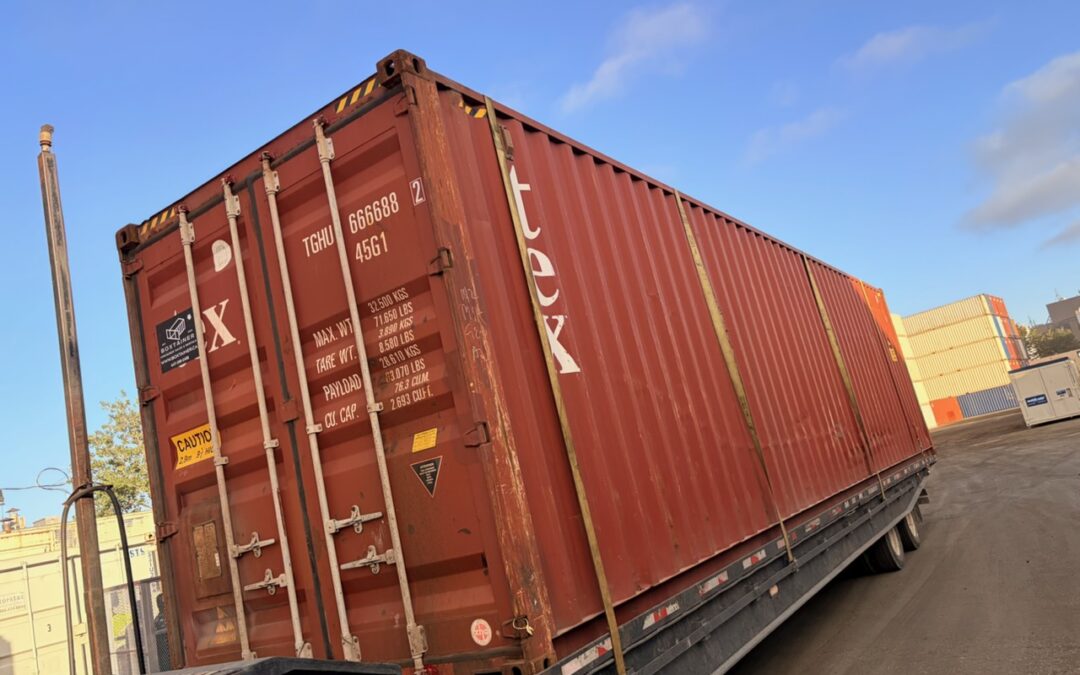
Rental quotes for shipping containers get built in pieces. The container itself is covered by the monthly rate; transport work on either end is covered by delivery and pickup. This structure isn’t unique to one company, it’s generally how the Ontario container rental market works. A construction firm in Hamilton, for instance, might budget for a 40′ High Cube at a set monthly rate, only to find that the delivery truck and the pickup truck are each billed on their own. That separation exists because transport costs are driven by different variables than the rental itself, mainly distance and site access.
What Actually Drives Delivery Pricing
Distance from the depot is the biggest factor, though it’s not the only one. Container size matters too; different equipment is needed for a 40′ unit than a 20′. Site access plays a role as well, since tight entrances or limited turning room can add complexity. In many cases, a quote that looks straightforward on paper gets adjusted once the site visit happens. This is normal, and it’s one reason broad Ontario pricing ranges are better treated as averages rather than fixed numbers. Exact delivery and pickup costs are confirmed by Boxtainer once site details are known, rather than one flat fee being applied across every address.
Site Preparation Before the Truck Arrives
Containers need to be placed on firm, level ground, whether that’s asphalt, concrete, or compacted crushed stone. Soft or uneven surfaces can cause problems later, including door misalignment or drainage issues. Clearance matters just as much; roughly 70-80 ft of straight clearance is generally needed for a 20′ delivery, while a 40′ Landoll delivery needs closer to 120-130 ft, plus room to maneuver. A renovation contractor near St. Catharines once had to shift a planned container spot by about fifteen feet, simply because the original location didn’t leave enough turning space. Small detail, but it mattered, in a way.
Monthly Billing, Not 28-Day Cycles
Rentals are billed by Boxtainer once per calendar month, which works out to 12 billing cycles a year. That’s different from a 28-day cycle, which stretches to 13 cycles annually and, over time, quietly adds cost. For a business renting a container across several months, that distinction adds up. It’s a straightforward structure, and one worth confirming with any provider before an agreement gets signed, since not every company bills the same way.
Pickup Charges at the End of the Term
Pickup is its own cost, separate from delivery and separate from the rental rate. The truck still has to travel to the site, load the unit, and bring it back to the yard; that trip is priced on its own. In some ways, this mirrors the delivery fee structure, just in reverse. Both legs should be factored into the total cost picture from the start by renters planning a short-term project, like seasonal inventory storage, not just the monthly rate.
Where Container Rentals Fit Best in Ontario
Rentals tend to make the most sense for projects with a defined end date. Tool and material storage is a common use at construction sites. Seasonal inventory overflow is often handled this way by retailers. Renovation crews often rent a unit for the length of a project, then have it picked up once work wraps. Flexibility without a long-term commitment is the common thread across these cases, which is part of why rental options are actively promoted by Boxtainer for exactly this kind of short-to-mid-term need.
Condition Terms and What They Actually Mean
Only New One Trip and Used Cargo Worthy containers are offered by Boxtainer; grading systems like Grade A or B aren’t part of how inventory gets described. Cargo Worthy means the unit is structurally sound and fit for cargo use, though normal cosmetic wear should be expected, things like surface rust, small dents, or minor repairs. Exact unit selection isn’t guaranteed ahead of delivery, since that depends on depot stock. That’s usually where buyers start adjusting their expectations about what “used” actually looks like, I suppose.
Working With a Niagara-Based Team
Boxtainer operates out of Niagara Falls, with a local yard that supports deliveries across Ontario, not a limitation on reach but a base of operations close to a wide range of job sites. For businesses planning a rental, budgeting becomes more predictable once delivery and pickup costs are understood upfront, and that’s generally the point. Site requirements, clearance needs, and monthly billing details can all be walked through by Boxtainer’s team before a container ever leaves the yard. Visit Website to get a quote tailored to your project and location.
FAQ
Are delivery and pickup billed separately from the rental price? Yes. The monthly rental rate covers use of the container itself, while delivery and pickup are charged as separate transport fees. This structure is standard across the Ontario rental market; it isn’t specific to one provider. Costs for each leg are typically confirmed once the delivery address and site conditions are known.
Is rental billing calculated every 28 days or by calendar month? Billing is handled once per calendar month, which comes out to 12 cycles a year. A 28-day cycle, by contrast, would add up to 13 billing periods annually. The calendar-month structure is used by Boxtainer for clarity.
What site conditions are needed before a container can be delivered? A firm, level surface is required, such as asphalt, concrete, or compacted crushed stone. Adequate straight clearance is also needed, roughly 70-80 ft for a 20′ container and 120-130 ft for a 40′ Landoll delivery, along with enough room for the truck to enter and turn. Site access is reviewed ahead of scheduling, to avoid delays.
Can I choose the exact container that gets delivered? Hand-selection isn’t guaranteed, since container assignment depends on depot location and current inventory. What’s confirmed in advance is the condition category, whether that’s New One Trip or Used Cargo Worthy. Specific unit selection isn’t part of the standard process.
Does container blocking affect ventilation? Not directly. Blocking is used for levelling, drainage, and door alignment, a separate matter from internal ventilation or moisture control. Both are addressed, just not through the same mechanism, in a way.