Understanding Your Storage Options
Their storage search gets started by most Ontario businesses with the assumption that all options are basically the same. They’re not. Different purposes are served by shipping containers and storage units, even though storage problems get solved by both. Mobility and extreme durability were built into containers. Affordability and climate control are focused on by storage units. More than you might expect, the difference matters.
Security Considerations
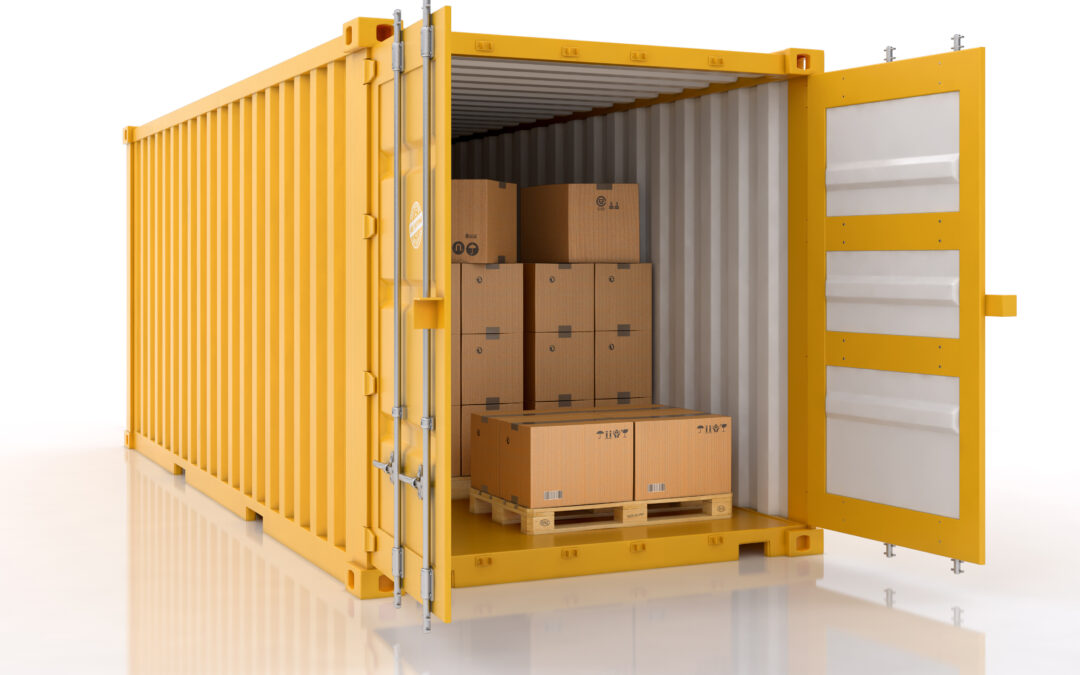
Corrugated steel designed to withstand harsh ocean conditions is used in shipping container construction. Basic security gets provided by storage facilities, but hundreds of other units surround your stored items. The entire security setup is controlled by you with containers. Custom locks, cameras, or alarm systems are added by many businesses. The peace of mind factor gets mentioned frequently by our Ontario clients.
Access and Convenience Factors
Scheduled trips to off-site facilities with specific operating hours are required by storage units. On your property, containers sit available whenever you need them. Roughly 3 hours per week have been saved by a Hamilton contractor since switching to on-site container storage, he told us. Facility closing times no longer need to be beaten in a rush. Plus, loading and unloading happens right where you work.
Cost Analysis for Ontario Businesses
Only part of the story gets told by monthly rental costs. $80-200 monthly in Ontario is typically what storage units run, while $150-300 is the range for containers. But travel costs and time are eliminated by containers. $400 monthly on fuel and labor for accessing their storage unit was calculated by one Mississauga business. Money was actually saved by the container. Your usage patterns determine how numbers vary.
Weather Protection and Durability
Year-round testing of storage solutions is done by Ontario weather. Extreme conditions, from freezing winters to humid summers, are handled by containers through their engineering. Climate control gets offered by storage facilities, but temperature fluctuations are handled well by standard containers for most items. Insulation can be added if needed. Sometimes, the simplest solution works best.
Flexibility and Scalability
One location and size lock you in with storage units. Moving, modification, or combination can be done with containers as needs change. One container was started with by a construction company near Toronto, then two more were added as projects expanded. Three times, the entire setup has been relocated by them. Try doing that with traditional storage. Businesses often get won over by the adaptability factor.
Making the Right Choice for Your Needs
Your specific situation rather than general rules usually determines the decision. Containers are favored by frequent access needs. Storage facilities might be preferred by climate-sensitive items. Budget constraints matter, but operational efficiency does too. From what we’ve seen, containers are typically chosen by businesses needing regular access despite higher upfront costs. Container options for your Ontario storage needs are ready to be explored? More about flexible rental solutions can be learned by visiting our website.
FAQ:
Q: Are shipping containers more secure than storage units? Look, this one is won by containers pretty clearly. Weathering steel is used in their construction, and ocean transport survival was their original design purpose. Basic locks are provided by most units, but advanced security features can be added to containers through modification. That still surprises people.
Q – What about climate control differences? A fair point to consider. Climate-controlled units are often provided by storage facilities, while standard containers don’t offer this. However, insulation and climate systems can be fitted to containers if needed. Customization versus convenience becomes the trade-off.
Q: Which option costs less in Ontario? Lower monthly rates upfront are typically offered by storage units. But travel time, fuel costs, and limited access hours should be factored in. More monthly cost might be required by containers, yet frequent access needs often make them worth it for businesses.
Q – Can I move a shipping container if needed? Absolutely. Portability was built into containers by design, which storage units obviously aren’t. Relocation to different job sites or properties can be done as your needs change. A pretty flexible solution.