
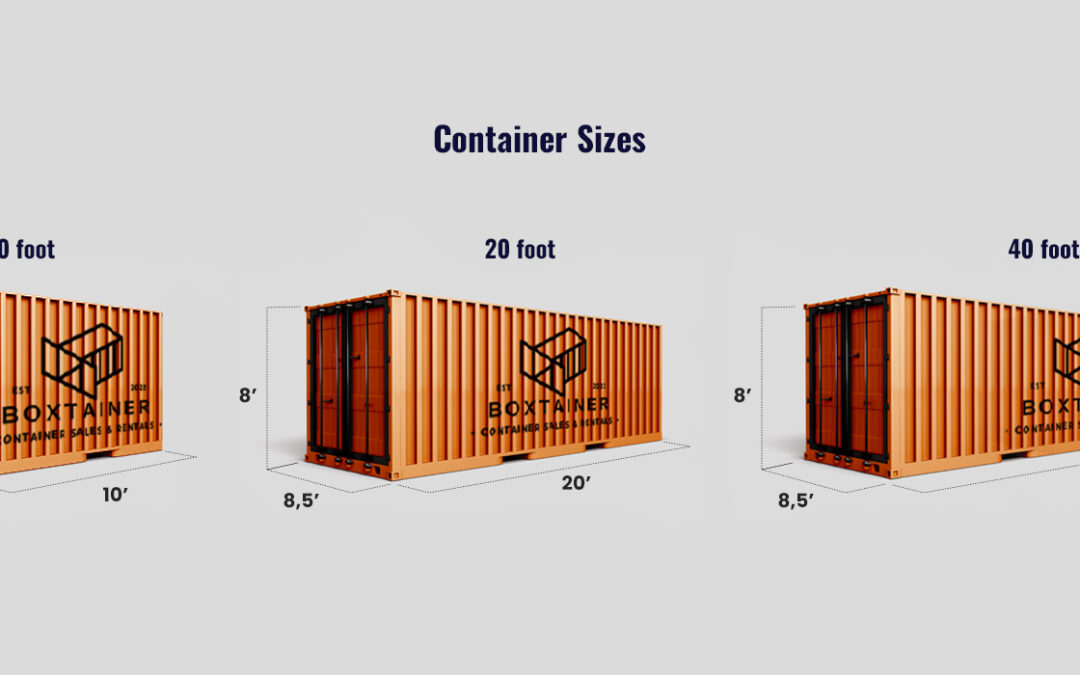
Understanding Basic Weight Specifications
International shipping standards are followed by container weight limits, but practical applications vary significantly. 30,480 kg is reached by a 20ft container’s maximum gross weight, including roughly 2,300 kg of the container’s own weight. About 28,180 kg is left for actual cargo. The same 30,480 kg gross weight is allowed by the 40ft version too, but around 3,900 kg is weighed when empty, which reduces payload capacity.
These numbers are often discovered by Ontario businesses during their first major storage project. This was learned by one manufacturing company in Hamilton when their machinery shipment exceeded expectations. Proportionally higher capacity was assumed to be meant by the larger container. Interesting how that works.
Floor Loading Distribution Matters
Container integrity is affected by weight distribution more than total weight alone. Structural damage is prevented by floor loading limits of 4,000 kg per square meter, but extra attention is required by concentrated loads. Strategic placement near corner posts and side rails is needed by heavy equipment, steel coils, or dense materials.
Once you understand them, the physics get straightforward. Container floors are designed as supported beams, not solid platforms. Stress concentrations that can buckle flooring or damage the frame are created by point loads. Everything stays stable when weight gets spread evenly.
Comparing 20ft vs 40ft Capacity
20ft containers are favored by the weight-to-space ratio for dense cargo. Roughly 14 kg per cubic meter advantage is gotten with the smaller unit. Better volume efficiency for lighter, bulky items like furniture or packaged goods is offered by 40ft containers, but.
40ft units are often chosen by Ontario retailers for seasonal inventory storage, from what we’ve seen. More pallets are accommodated by the extra length without hitting weight restrictions. 20ft containers are typically preferred by manufacturing operations for raw materials and finished products, to be fair.
Real-World Loading Scenarios
Automotive parts might be stored by a typical Ontario warehouse in a 20ft container, reaching 25,000 kg without floor stress issues. Only half the available space would be used by the same parts in a 40ft unit but would stay well within weight limits. Different needs are worked for by different approaches.
Similar decisions are faced by construction companies. Weight limits are rarely exceeded by tools and equipment, but careful calculation is required by concrete blocks or steel beams. Multiple 20ft containers were learned to be used by one contractor near Toronto instead of overloading a single 40ft unit.
Safety and Compliance Considerations
Container weight limits during road movement are enforced by transport regulations in Ontario. Fines, delays, and potential equipment damage are faced by overweight containers. Claims related to overloading incidents are often excluded by insurance coverage.
Problems are helped to be prevented by regular weight monitoring. Both cargo and container investment are protected by digital scales, load planning software, and careful record-keeping. Internal weight buffers below maximum limits for safety margins are established by many businesses, sometimes.
Making the Right Choice for Your Needs
Cargo density, available space, and handling equipment are what container selection depends on. 20ft containers are suited by dense materials like metal parts, while 40ft volume benefits lightweight goods. Your specific storage requirements and weight patterns over time should be considered.
Appropriate container sizes and configurations for their storage needs are helped to be chosen by BOXTAINER for Ontario businesses. Local requirements are understood by our team and capacity planning can be guided through. Container options that match your weight and space requirements can be explored by visiting our website.
FAQ
Q: Why do 20ft containers hold more weight than 40ft containers?
The main role is played by structural engineering here. Weight gets distributed more evenly across their frame by shorter containers, while increased stress at center points is faced by longer units. Different designs are used for the steel framework of each size. People are still surprised by that.
Q: Can I exceed the weight limit if I distribute cargo carefully?
Weight limits exist for safety reasons and legal compliance, look. Container structure can be damaged by exceeding them, transportation issues can be created, and insurance coverage can be voided. These limits are enforced strictly by Ontario transport regulations, plus.
Q: How do I calculate floor loading for my specific cargo?
Fair point. Your total cargo weight should be divided by the floor area, then compared against the 4,000 kg per square meter guideline. Strategic placement near corner posts is required by heavy items like machinery where structural support is strongest.
Q: What happens if my container gets overloaded?
Floor buckling, door frame distortion, and corner post damage can be caused by overloading. Overweight incidents often result in denied insurance claims. The risk isn’t worth it.