
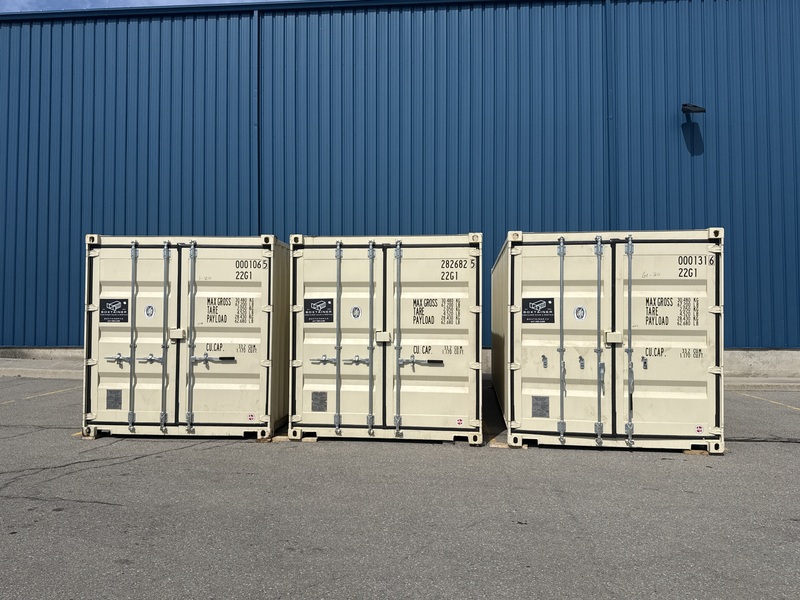
Understanding Container Sizes and Dimensions
Between 20-foot and 40-foot containers, most Ontario buyers choose, though other sizes exist. The 20-foot option works well for residential storage, small business inventory, or construction site needs. It’s compact enough for most properties but holds a surprising amount. Storage space is doubled by a 40-foot container and suits larger commercial operations. High cube versions add an extra foot of height; this helps when tall items are stored or workspace is created inside.
Evaluating Container Condition Grades
Both price and functionality are affected significantly by container condition. “One trip” containers look almost new since they’ve only made one journey from Asia to North America. These cost more but the cleanest appearance and longest lifespan are offered. “Cargo worthy” containers can still ship goods internationally, meaning they’re structurally sound with minimal wear. “Wind and watertight” containers work perfectly for storage but more cosmetic damage is shown. They’re often the best value for stationary applications.
Pricing Factors Across Ontario
Several factors that buyers should understand cause container prices to fluctuate. New 20-foot containers typically cost $4,000-$6,000, while used options start around $2,500. Pricing is also affected by location, with containers in Toronto and Hamilton often costing more than those in smaller cities. Availability is influenced by supply and demand cycles, especially during peak construction seasons. From what we’ve seen, higher prices are brought by spring and summer as demand increases.
Delivery and Site Preparation Requirements
More planning than most people expect is required when getting a container to your property. Level ground, adequate turning radius, and at least 15 feet of overhead clearance are needed by delivery trucks. The container is positioned by the driver using a tilt-bed truck or crane, depending on site constraints. Soft ground can be problematic, especially during wet weather. A gravel pad or concrete foundation is prepared beforehand by many buyers. Plus, local zoning regulations should be checked before delivery.
Customization and Modification Options
Basic storage is handled well by standard containers, but their usefulness is expanded considerably by modifications. Roll-up doors, windows, electrical systems, and insulation are included in common additions. Containers are converted by some buyers into workshops, offices, or even living spaces. 30-50% is typically added to the base cost by modifications, depending on complexity. Containers are made relatively easy to modify by the steel construction with proper equipment. But remember, resale value might be affected later by extensive modifications.
Choosing the Right Supplier in Ontario
The same service quality or inventory selection isn’t offered by all container suppliers. Companies that clearly describe container conditions and provide photos of actual units should be looked for. Delivery throughout Ontario is offered by reliable suppliers, and their products are stood behind with warranties. Modifications are specialized in by some, while standard sales are focused on by others. Suppliers who deliver on promises are helped to be identified by reading customer reviews. For the best experience, our website should be visited to explore available options and get personalized recommendations for your specific needs.
FAQ
Q: What’s the difference between new and used shipping containers? New containers are delivered directly from manufacturers with full structural integrity and pristine appearance. Used containers have been transported goods overseas but remain structurally sound. Most show minor dents or surface rust. Fair point though; used containers cost significantly less.
Q – How much space do I actually get inside a 20-foot container? Interior dimensions are roughly 19’4″ long, 7’8″ wide, and 7’10” high. That translates to about 1,172 cubic feet of usable space. Keep in mind the doors reduce length slightly when they’re fully opened.
Q: Can containers be delivered anywhere in Ontario? Most suppliers deliver throughout southern Ontario, though remote locations are charged extra. Level ground and overhead clearance of at least 15 feet are needed by delivery trucks. That still surprises people.
Q – What condition grades should I look for? “One trip” containers are nearly new, having made just one overseas journey. “Cargo worthy” means structurally sound for shipping. “Wind and watertight” containers work well for storage but aren’t certified for shipping. Each grade is priced differently.