Understanding the Financial Break-Even Point
Container decision math becomes clearer when actual costs are mapped out. A standard 20-foot container purchase runs about $4,500 in Ontario; delivery fees around $300-500 are added to this. The same unit typically costs $200-350 monthly for rental. Somewhere between 18-24 months, the break-even point usually hits, depending on your specific situation and rental terms.
But only part of the story is told by those numbers. Hidden costs are brought by ownership that are often overlooked during initial planning.
Hidden Costs of Container Ownership
Once you buy, maintenance becomes your responsibility. Weather damage, rust treatment, and door repairs add up over time. Plus, somewhere to store the container when not in use will be needed, which might mean site rental fees or zoning considerations.
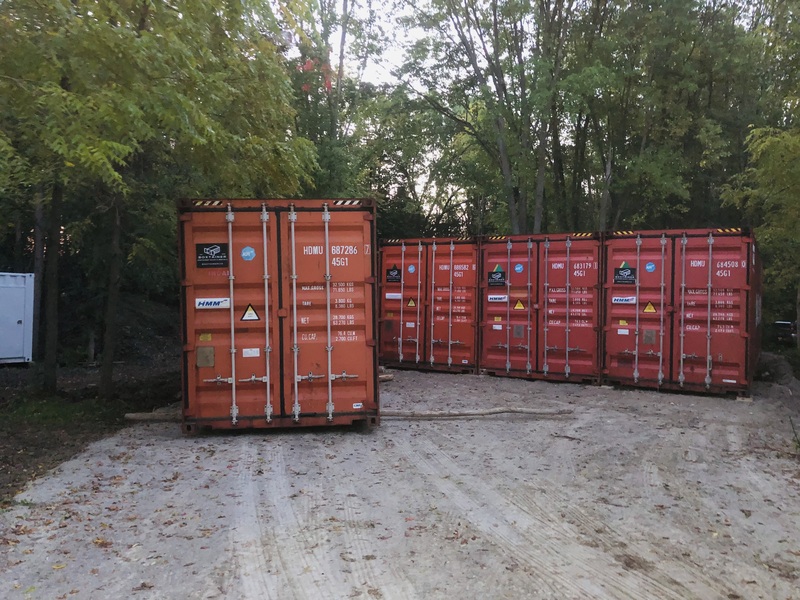
This lesson was learned by one Toronto-area contractor after purchasing three containers for a six-month project. For eight months afterward, the containers sat unused; they essentially became expensive yard decorations until another use was found for them.
When Rental Makes Perfect Sense
Rental arrangements are often found ideal by seasonal businesses. Additional storage is rented each spring by a landscaping company in Hamilton and containers are returned in fall, avoiding year-round costs for equipment they only need during growing season.
Another sweet spot for rentals is represented by construction projects. Project timelines shift, sites change, and storage needs fluctuate. These realities are adapted to better by rental agreements than permanent purchases.
Flexibility vs. Permanence Trade-offs
Delivery and pickup services are typically included in rental agreements, which saves considerable hassle. Specialized equipment and permits for road transport are required for moving a container. The rental company handles these logistics; they’re not passed along to you.
However, rental containers can’t be modified. Need windows, electrical work, or custom shelving? That freedom is provided by ownership. The trade-off comes down to convenience versus customization options.
Geographic Considerations in Ontario
Across Ontario’s vast geography, delivery costs vary significantly. Lower transport fees are usually seen in urban areas like Toronto and Ottawa due to proximity to container yards. Higher delivery charges might be faced by rural locations, which affects the rental-versus-purchase calculation.
Limited rental availability is found in some remote areas, making purchase the more practical option despite higher upfront costs.
Making Your Decision
Your timeline and usage patterns should be honestly assessed first. Rental is almost always favored by projects under 18 months. Purchase costs are typically justified by permanent storage needs beyond three years.
Your maintenance capabilities should be considered too, I suppose. Do you have staff to handle basic repairs and upkeep? Can the logistics of moving containers between sites be managed by you? These operational factors matter as much as pure financial calculations.
Ready to explore your container options? Visit our website to discuss rental solutions that match your specific Ontario storage needs.
FAQ
Q: How long can I rent a shipping container? Rental periods are quite flexible. Monthly agreements are offered by most companies that can extend from a few weeks to several years. That still surprises people.
Q – What’s included with container rental? Look, delivery, pickup, and basic maintenance are covered by most rental agreements. You’re typically responsible for keeping the interior clean and reporting any damage.
Q: Is renting really cheaper than buying? Fair point to ask. For short-term needs under two years, rental usually costs less when delivery, maintenance, and resale hassles that come with ownership are factored in.
Q: Can I modify a rental container? Funny enough, modifications are restricted by most rental agreements. If custom features like windows or additional doors are needed, purchasing might be the better route.