Blogs
Dependable Source Excellent Customer Service.
We have the perfect solution for your storage needs.
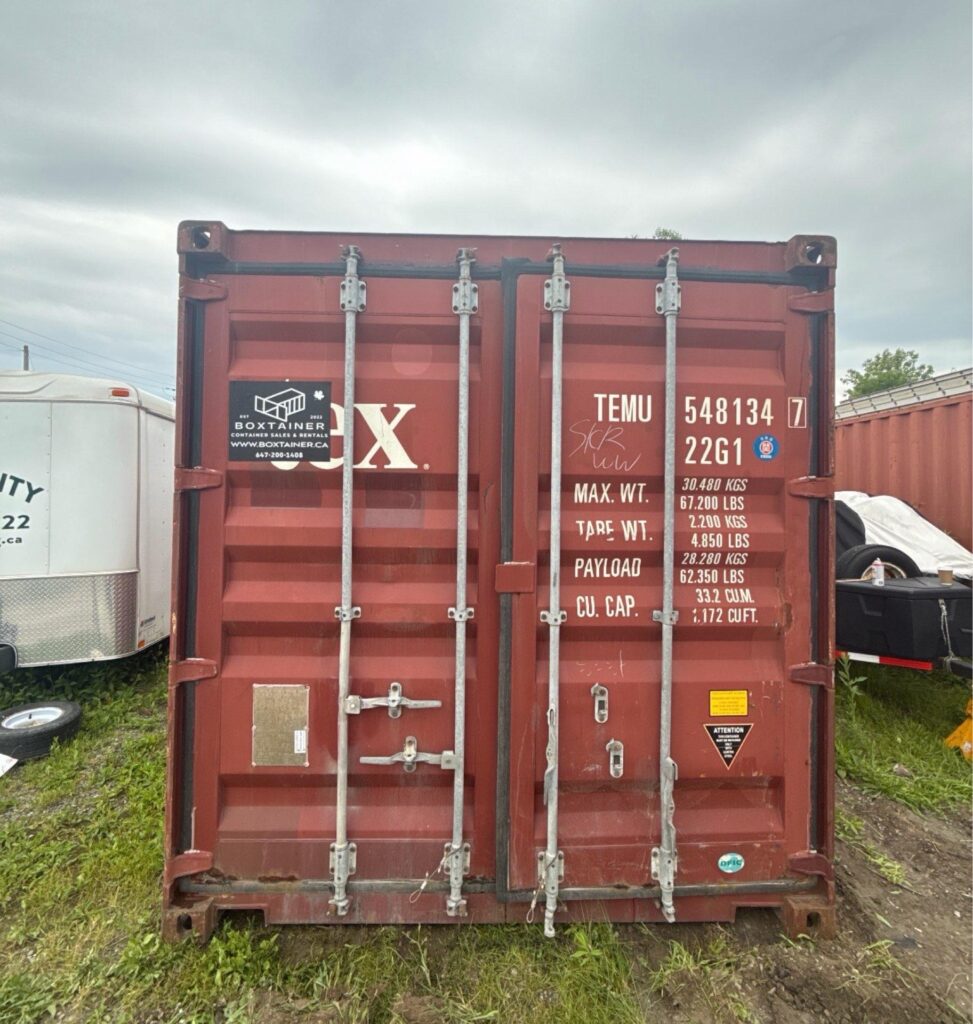
Shipping Containers for Home Renovation and Moving Storage
Why Homeowners Are Turning to Containers Renovation projects require clear workspace. Moving furniture off-site involves multiple trips, truck rentals, and recurring off-site facility costs. Renting a shipping container brings secure storage directly to the property....
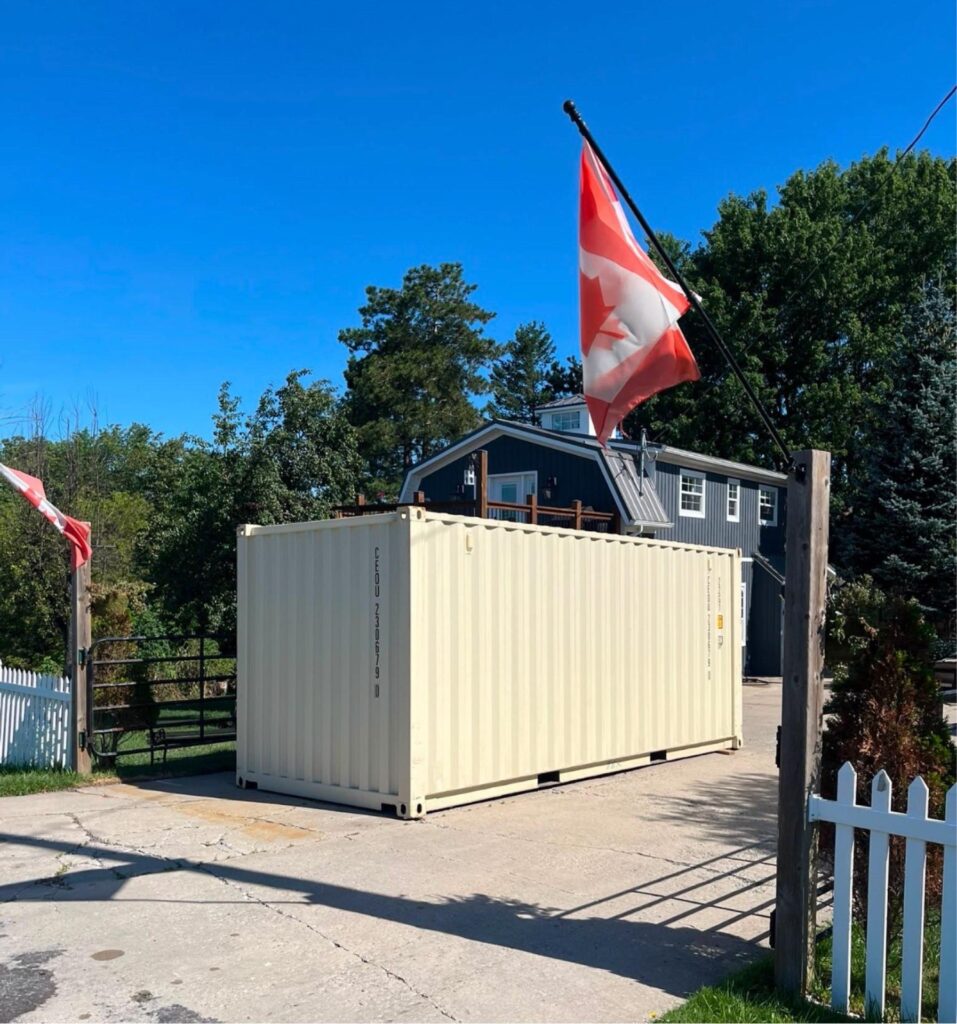
Temporary Storage Containers for Construction Sites in Ontario
Why Temporary Storage Containers Work on Construction Sites Construction sites are busy, fast-paced environments. Materials arrive continuously, crews shift, and secure storage is essential from day one. Temporary storage containers address site needs directly,...
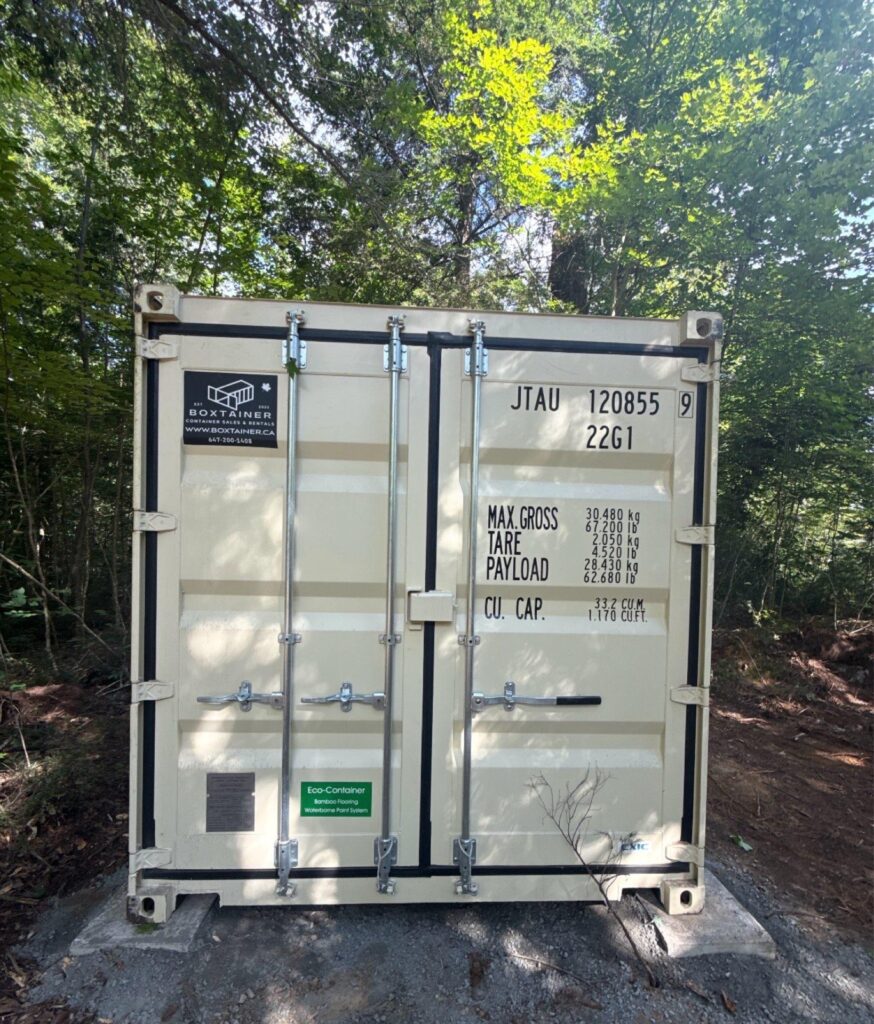
Shipping Containers for Business Storage: Benefits and Considerations
Why Businesses Are Turning to Shipping Containers for Storage The shift toward container-based storage isn't hard to explain. Traditional warehouse space in Ontario has become harder to find and more expensive to lease, especially for smaller businesses that don't...
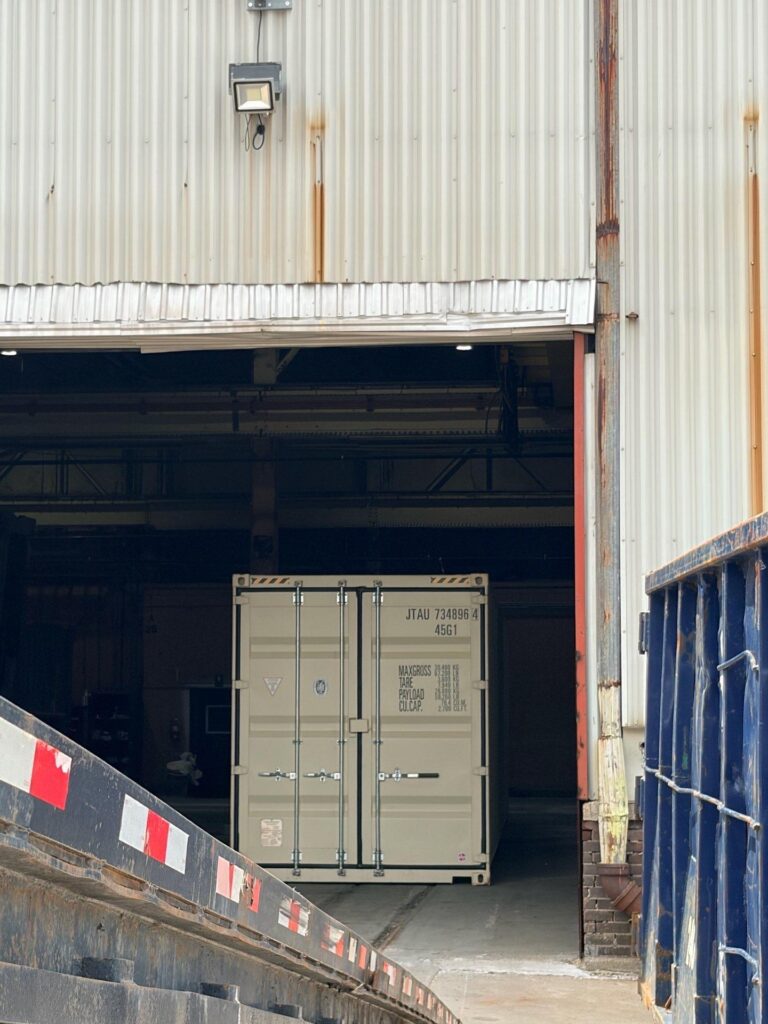
Niagara Storage Solutions: How Shipping Containers Solve Space Problems
Storage Space in Niagara: A Practical Problem With a Practical Answer As commercial, industrial, and residential growth expands across the Niagara region, ground-level space requirements increase. Boxtainer serves Niagara and surrounding Ontario markets directly from...
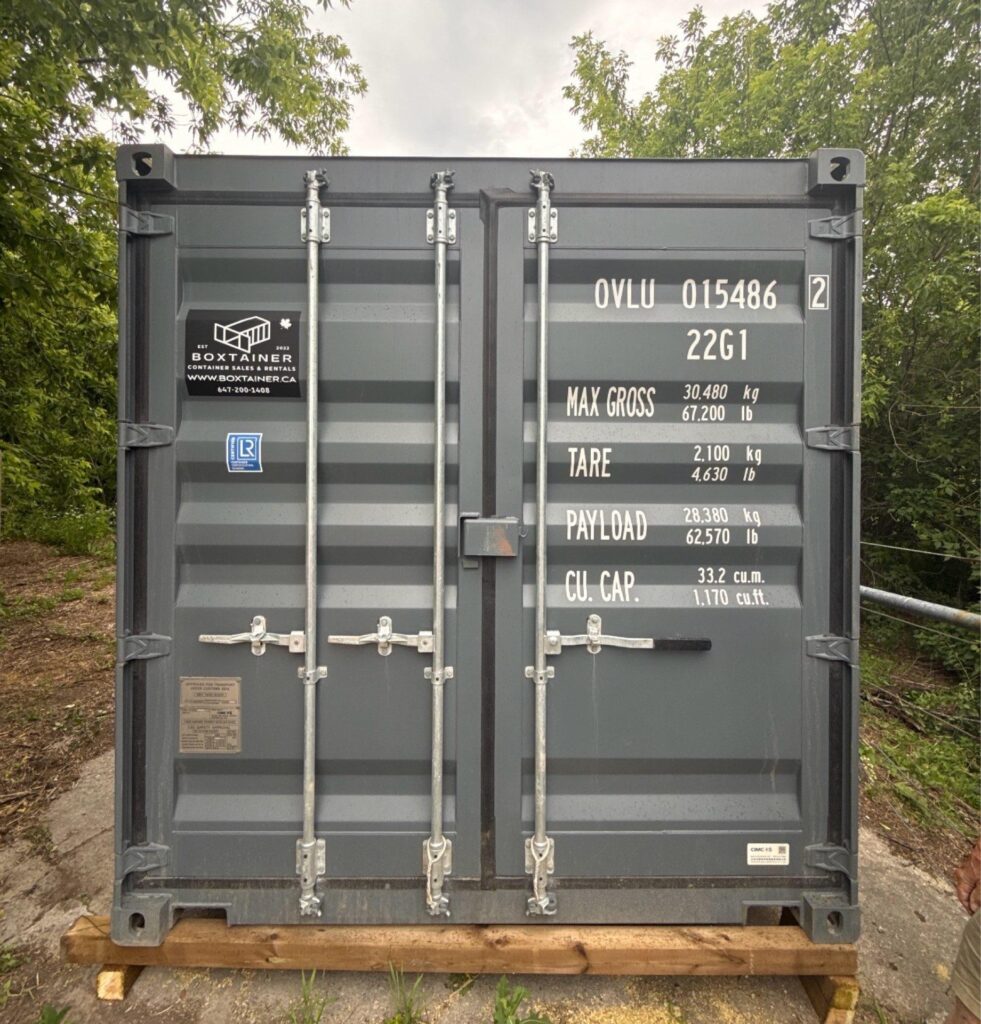
How to Get the Best Value When Buying a Container in Ontario
Why "Cheapest" Rarely Means "Best Value" It's a common starting point. Someone searches for containers for sale in Ontario, finds the lowest price, and figures the decision is made. But once freight, site prep, and any repairs are added in, the delivered cost often...
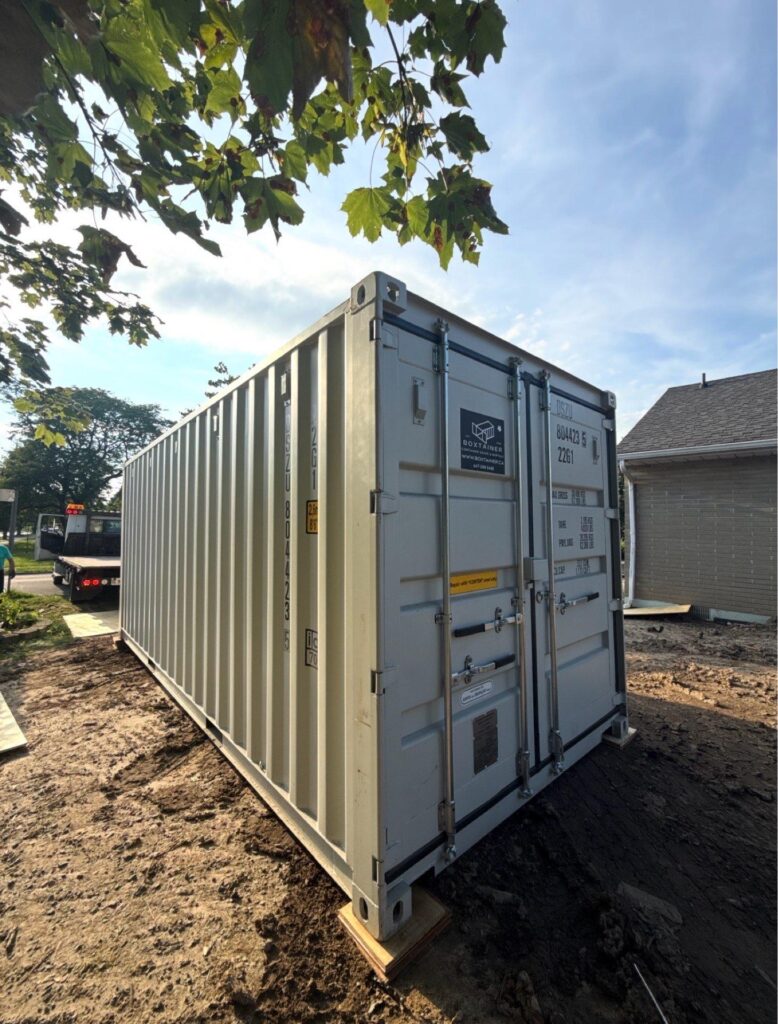
Are Used Shipping Containers Reliable for Storage?
What Makes Shipping Containers So Durable in the First Place Shipping containers were engineered for one of the harshest environments in logistics: the open ocean. They're built from Corten steel, a material that forms a stable oxidized layer on the surface rather...
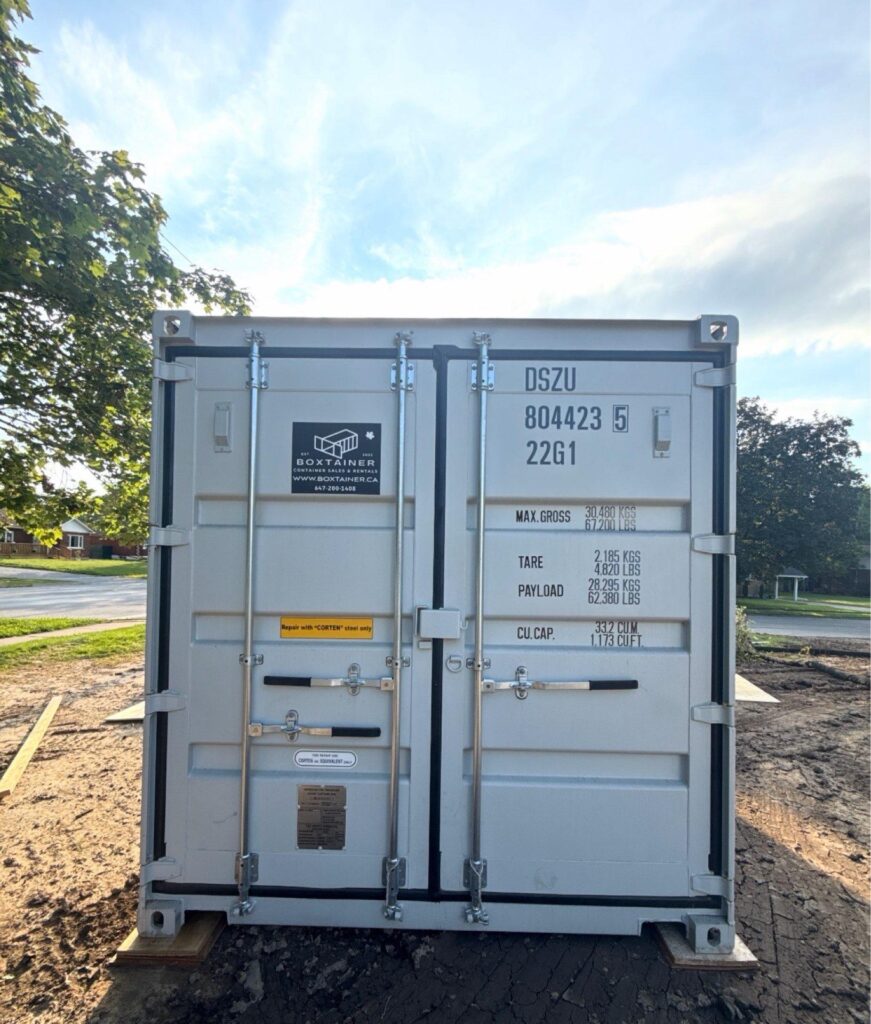
Shipping Container Prices: Ontario Market Averages & Buyer Guide
What's Driving Container Prices in 2026 Shipping container prices in Ontario reflect global steel manufacturing, container fleet allocation, and regional logistics demands. Rather than fixed quotes across all regions, prices reflect indicative Ontario market averages...
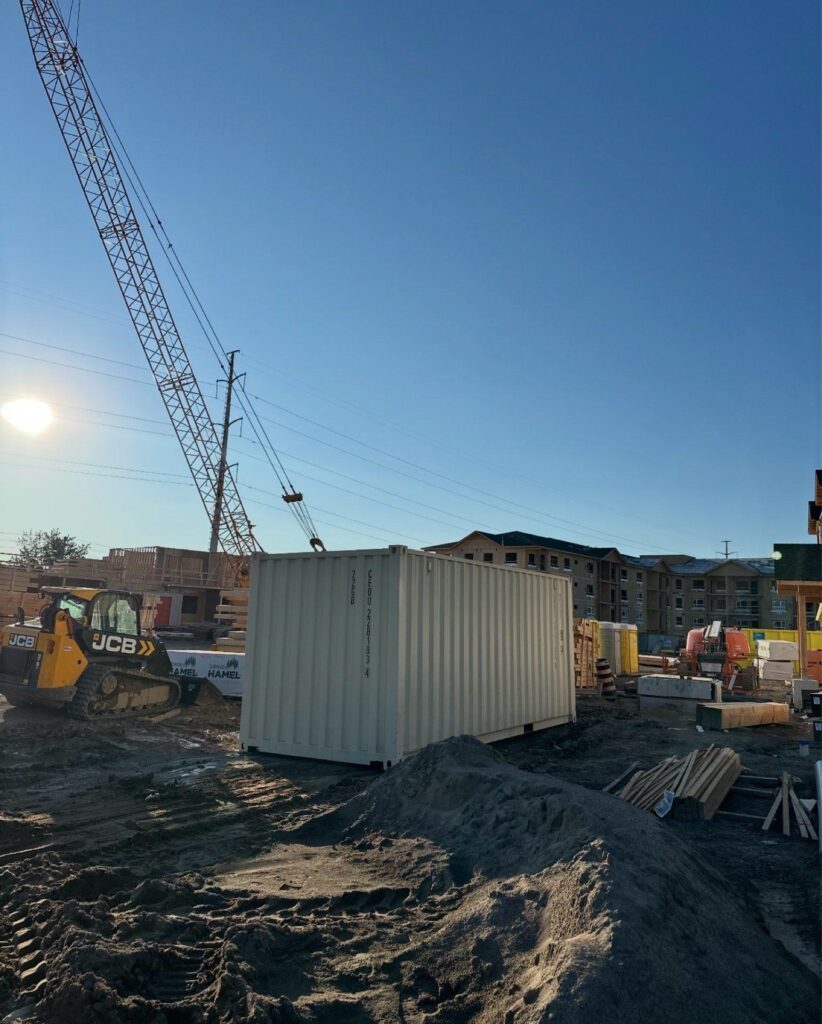
Why Professional Contractors Choose Shipping Containers for Job Site Storage
On any active construction site across Southern Ontario, efficiency, security, and organization make or break profitability. Managing high-value equipment, raw materials, and tools requires a rugged storage solution that withstands harsh weather and deters job site...
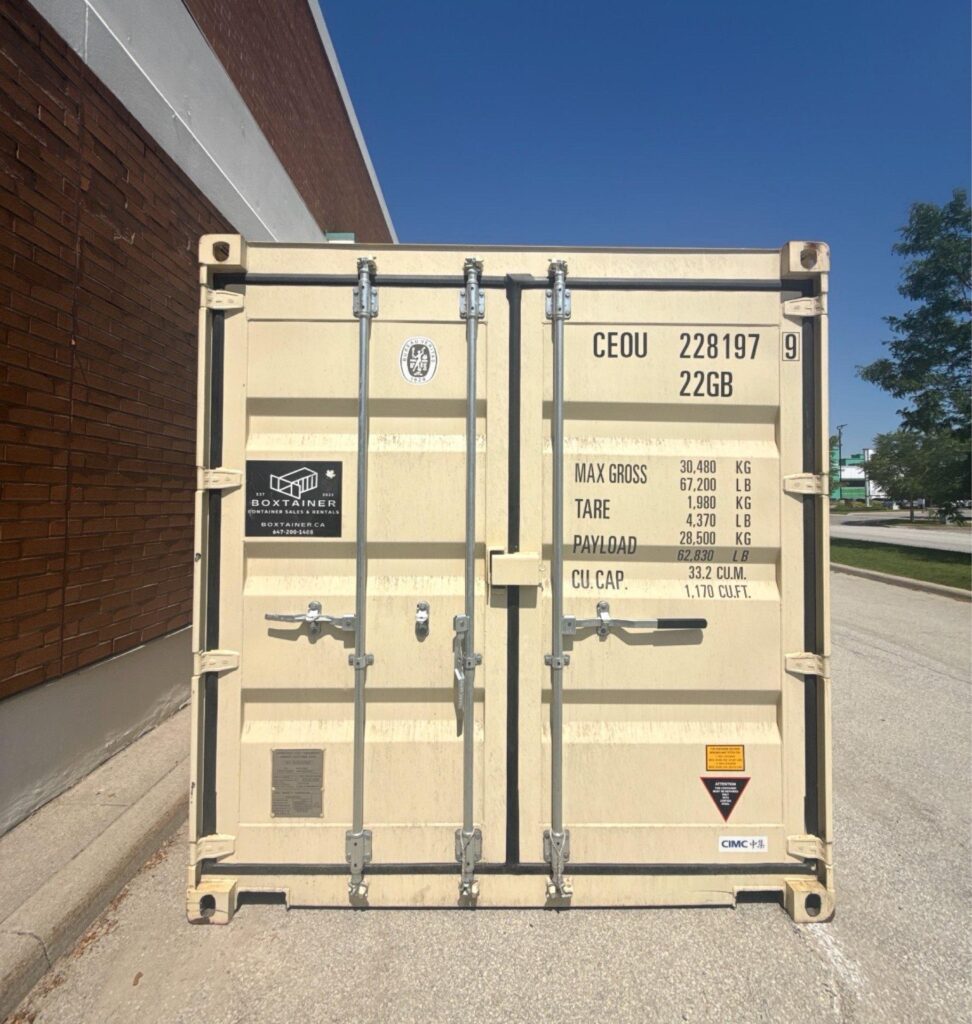
Maintenance Tips to Extend the Lifespan of Your Shipping Container
Shipping containers are built to withstand harsh ocean voyages, extreme weather, and heavy industrial use. However, whether you use your container for job-site storage, an outdoor workshop, or commercial inventory, regular maintenance is essential to maximize your...
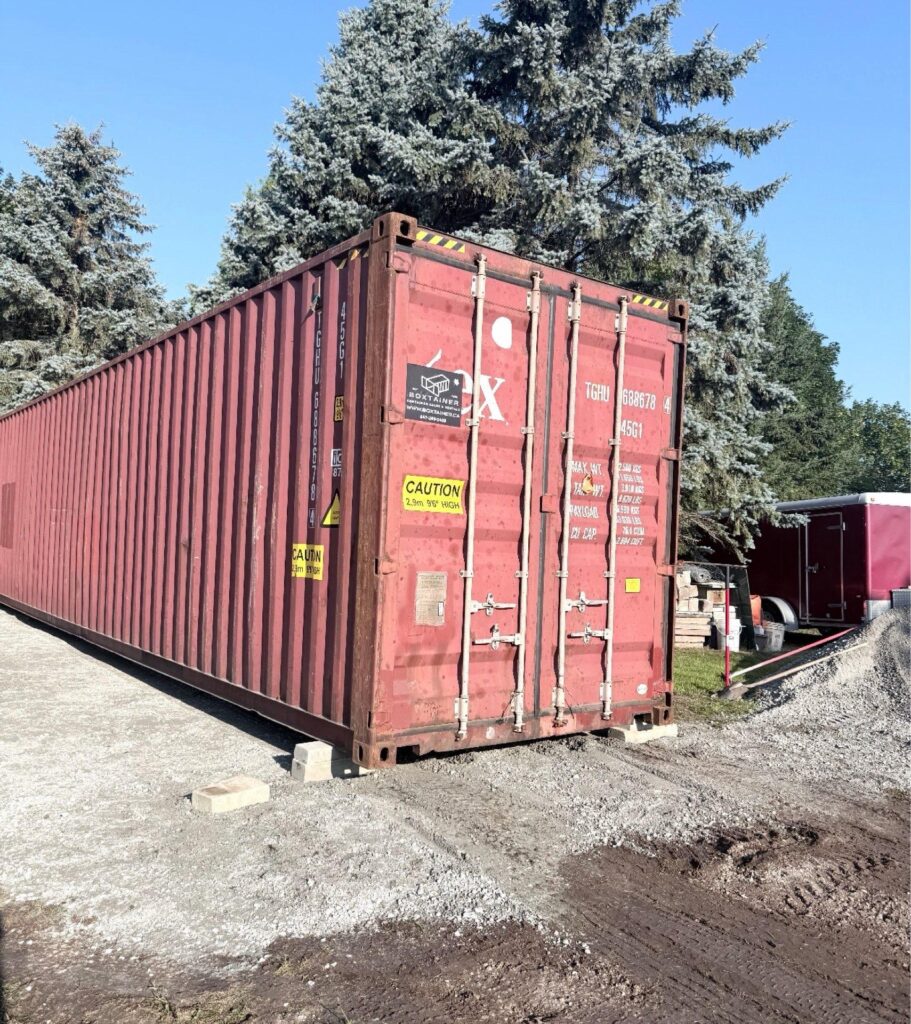
How to Secure a Shipping Container to the Ground
Whether you are looking for a shipping container for sale for long-term storage or securing a shipping container for rent on a fast-paced construction site, anchoring your unit properly is essential. While steel ISO containers are built heavy and durable, strong...
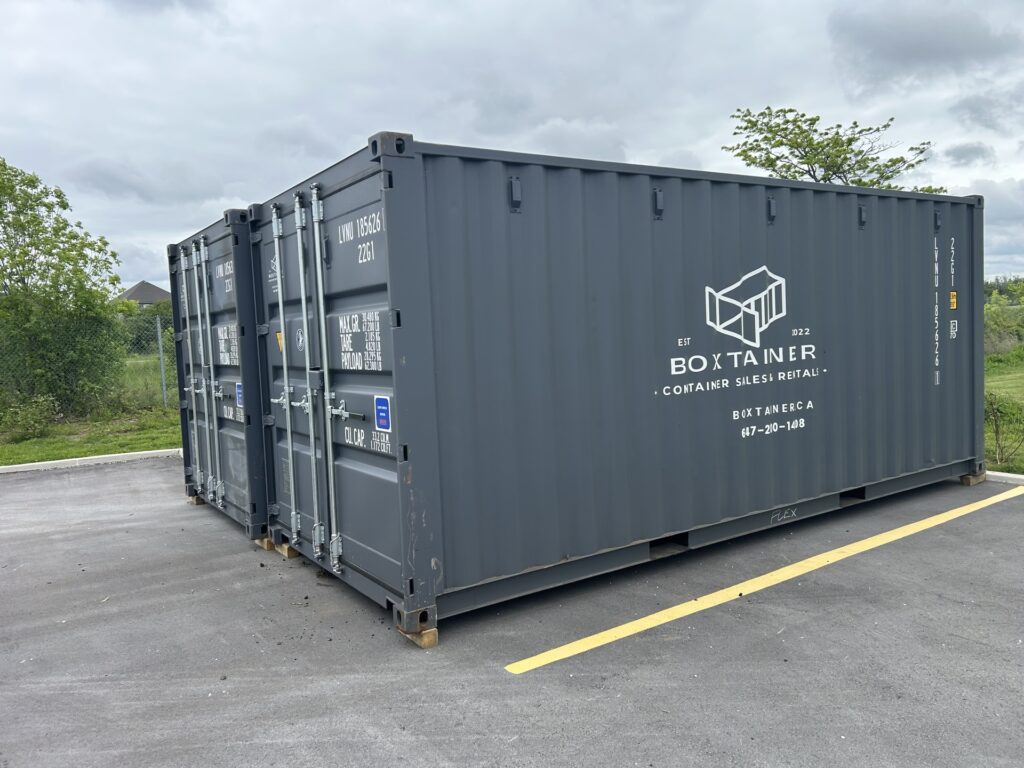
Container vs. Warehouse Storage: Which Is More Cost-Effective?
When business needs grow, or temporary space demands arise, deciding where and how to store inventory, equipment, or household items becomes a major financial decision. Two primary options dominate the market today: traditional warehouse storage and shipping...
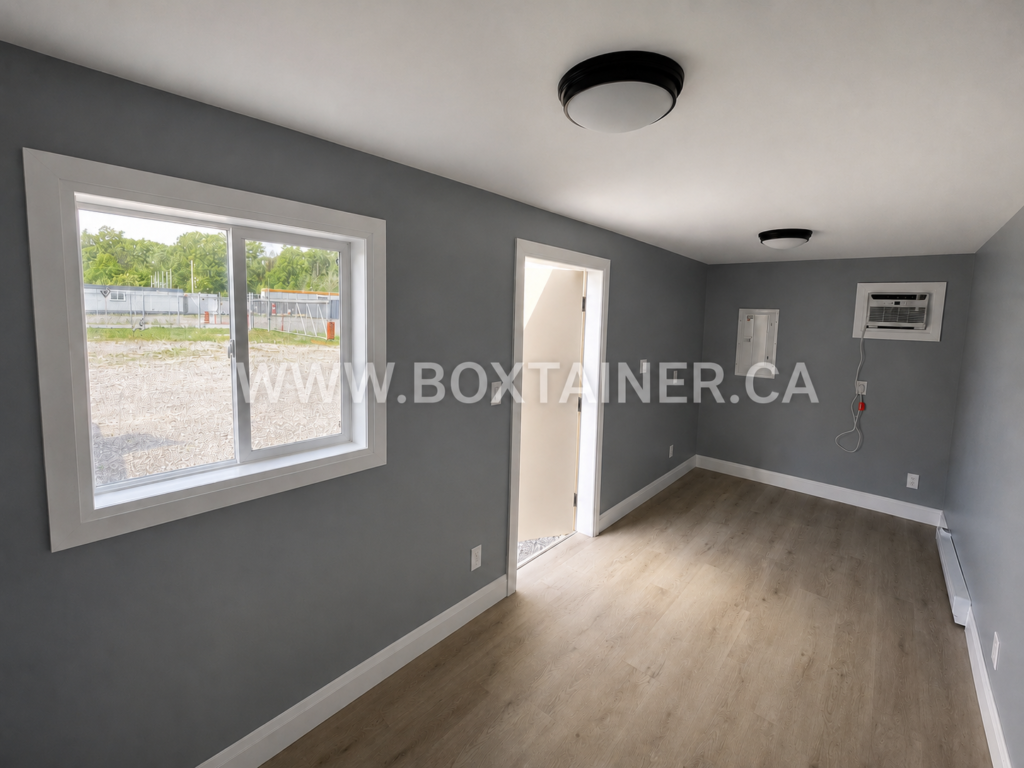
Creative Ways to Use Shipping Containers Beyond Storage
When you think of shipping containers, standard industrial storage or long-haul ocean freight likely comes to mind. However, these sturdy steel boxes have evolved far beyond basic inventory protection. Thanks to their structural integrity, modular versatility, and...